Oncology
2024
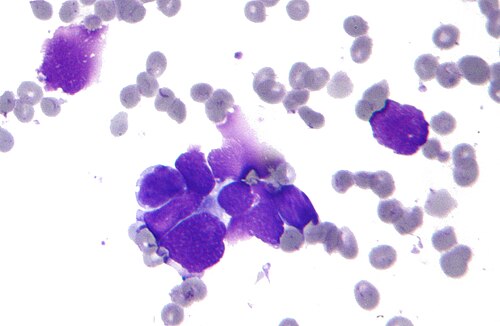
Tarlatamab (Imdelltra) for small cell lung cancer
First-in-class antibody that links DLL3 on tumor cells to a patient T cell, given accelerated approval in May 2024 for extensive-stage small cell lung cancer after chemotherapy. A later randomized trial extended median survival to about 13.6 months versus 8.3 months with chemotherapy.
Key people
- Luis Paz-Ares
- Lead investigator, DeLLphi-301 and phase 3 tarlatamab trials
- Melissa Johnson
- Co-investigator; thoracic oncology, Sarah Cannon Research Institute
- David Spigel
- Thoracic oncologist; Sarah Cannon Research Institute, SCLC trials contributor
Source
Small cell lung cancer had one of the worst records for drug development of any solid tumor. After decades during which carboplatin plus etoposide remained the backbone of first-line therapy with little modification, a series of checkpoint inhibitor trials in the late 2010s produced incremental survival benefits, but median overall survival for extensive-stage disease at first line still measured in the range of 12 months. Second-line and beyond was worse: topotecan, the historical standard, yielded response rates below 25% and median survival of roughly six months. The door was wide open for a new approach.
DLL3, a Notch pathway ligand expressed on the surface of the vast majority of SCLC cells but minimally on normal tissue, had been pursued as a target for years. Rovalpituzumab tesirine, an antibody-drug conjugate against DLL3, reached phase 3 and failed, its development halted by toxicity. Amgen and other groups then explored a bispecific format, using the same DLL3 target but engaging CD3 on T cells to direct cytotoxic killing rather than delivering a toxic payload. Tarlatamab was the result. Luis Paz-Ares of the Hospital Universitario 12 de Octubre in Madrid led the registration DeLLphi-301 trial; Melissa Johnson of the Sarah Cannon Research Institute was a co-investigator.
DeLLphi-301 was a single-arm trial; the efficacy population for the approved 10 mg dose comprised 99 patients with extensive-stage SCLC who had received at least two prior lines of therapy. The objective response rate was 40%, and the median duration of response was 9.7 months. Those figures, in a population with historical response rates to third-line therapy well below 20%, were sufficient for the FDA to grant accelerated approval in May 2024 under the brand name Imdelltra. The indication covered SCLC after platinum-based chemotherapy, which in practice meant the majority of relapsed patients.
The bispecific mechanism introduced a distinct toxicity profile. Cytokine release syndrome occurred in a substantial proportion of patients and required the first dose to be given in a monitored inpatient or extended observation setting. Neurologic immune effects, including immune effector cell-associated neurotoxicity syndrome, were also reported. Managing these toxicities required oncology centers to develop protocols similar to those used for CAR-T therapy, which had not previously been part of the standard SCLC workflow.
A subsequent randomized phase 3 trial, DeLLphi-304, compared tarlatamab head-to-head with investigator's choice chemotherapy as second-line therapy. The trial showed median overall survival of 13.6 months with tarlatamab versus 8.3 months with chemotherapy. That result supported converting the accelerated approval to full approval and, if confirmed by regulatory review, would establish tarlatamab as the preferred second-line standard for extensive-stage SCLC, displacing chemotherapy from a position it had held for decades.
Keep exploring
 Read next · same disease or problem
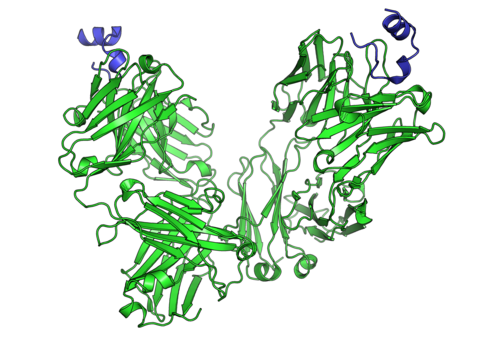
Tisagenlecleucel (Kymriah): First FDA-Approved CAR-T Cell Therapy (2017)
Both turn T cells on cancer and cause cytokine release syndrome, so tarlatamab borrowed CAR-T's safety protocols. The Kymriah entry shows the first CAR-T approval and how that syndrome was managed.
Read this moment
Read next · same disease or problem
Tisagenlecleucel (Kymriah): First FDA-Approved CAR-T Cell Therapy (2017)
Both turn T cells on cancer and cause cytokine release syndrome, so tarlatamab borrowed CAR-T's safety protocols. The Kymriah entry shows the first CAR-T approval and how that syndrome was managed.
Read this moment
 Today on The Clinical Times
Florida dengue outbreak appears to be largest in continental U.S. in decades
Florida has reported more than 250 locally acquired dengue cases this year, with most in Hillsborough County, according to state health officials.
Read today’s top stories
Today on The Clinical Times
Florida dengue outbreak appears to be largest in continental U.S. in decades
Florida has reported more than 250 locally acquired dengue cases this year, with most in Hillsborough County, according to state health officials.
Read today’s top stories
All 526 moments in the history of medicine. This one is in chapter 7, Genes and pandemics
Connected moments
How this moment links to others in the history of medicine, and what you will find in each.
-
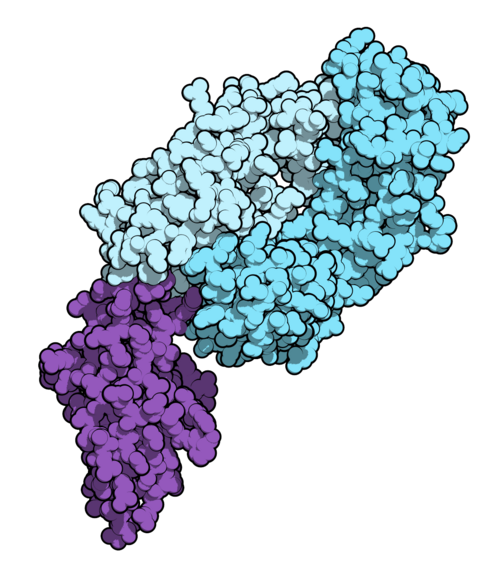 Same disease or problem2012Anti-PD-1 antibody activity across multiple solid tumorsCheckpoint drugs first brought modest gains in small cell lung cancer, and tarlatamab offered a new immune approach. The PD-1 entry shows lasting responses in other lung cancers.Read this moment
-
 Same disease or problem2011National Lung Screening Trial (NLST)Both fight lung cancer, NLST by finding it early and tarlatamab by treating advanced disease. The NLST entry shows CT screening cutting lung cancer deaths by 20 percent.Read this moment