Oncology
2017
Tisagenlecleucel (Kymriah): First FDA-Approved CAR-T Cell Therapy
In August 2017 the FDA approved Kymriah for B-cell ALL that was refractory or had relapsed at least twice, in patients up to age 25, the first gene-modified cell therapy cleared in the US. The ELIANA trial showed 81% remission within three months.
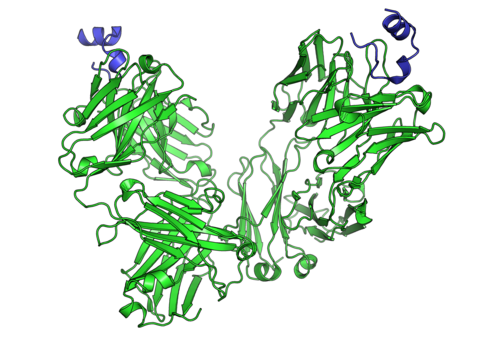
Key people
- Carl June
- Developer of the CAR-T technology at the University of Pennsylvania
- Stephan Grupp
- Led the ELIANA pediatric trial at Children's Hospital of Philadelphia
- Bruce Levine
- Director of clinical cell and vaccine production facility; led manufacturing scale-up
- David Porter
- Co-investigator; contributed early clinical data in CLL and ALL
Source
The concept of engineering a patient's own immune cells to recognize and destroy cancer had been explored in various forms since the 1980s, but the chimeric antigen receptor approach moved the field into clinical relevance. Carl June's laboratory at the University of Pennsylvania spent years refining lentiviral transduction of T cells to express a receptor that coupled extracellular antibody-derived antigen binding to intracellular CD3-zeta and 4-1BB costimulatory signaling. Early results in chronic lymphocytic leukemia and in pediatric acute lymphoblastic leukemia were striking enough to attract Novartis as a commercial partner, and by the mid-2010s the therapy was entering multicenter trials.
Tisagenlecleucel, the CD19-targeting CAR-T product developed under that collaboration, received FDA approval on August 30, 2017, for B-cell ALL that was refractory or had relapsed at least twice, in patients up to age 25. The ELIANA trial, a single-arm global study led by Stephan Grupp at the Children's Hospital of Philadelphia, provided the primary evidence. Among the 75 infused patients evaluable for response, 81% achieved overall remission within three months. The population was heavily pretreated: participants had received a median of three prior lines of therapy, and more than 60% had previously undergone stem cell transplantation.
Manufacturing was not incidental to the approval; it was part of what made the therapy novel as a regulatory category. Patient T cells were collected by apheresis, shipped to a central manufacturing facility, transduced with the lentiviral vector, expanded in culture, and returned as a frozen infusion product. The entire process took three to four weeks. The FDA created a new designation, RMAT (Regenerative Medicine Advanced Therapy), to expedite review of such products. Cytokine release syndrome, caused by rapid immune activation after infusion, affected 77% of patients in ELIANA, with 48% experiencing severe CRS requiring intensive intervention.
Tocilizumab, an IL-6 receptor antagonist, was approved that same day, August 30, 2017, as the first FDA-approved treatment for severe CAR-T-induced cytokine release syndrome. That approval was based on a retrospective analysis of 45 adult and pediatric patients treated for severe CRS, building on earlier data from the University of Pennsylvania team showing that tocilizumab could reverse severe CRS without abrogating the antitumor response. Neurotoxicity, now termed immune effector cell-associated neurotoxicity syndrome, was separately characterized as a distinct complication with its own management algorithm.
A second CAR-T product, axicabtagene ciloleucel (Yescarta), developed by Kite Pharma, was approved weeks later for diffuse large B-cell lymphoma in adults, confirming that tisagenlecleucel's approval had opened a new product class. By 2023, six CAR-T therapies had received FDA approval across B-cell lymphomas, ALL, myeloma, and follicular lymphoma. Access, driven by cost (the initial list price of tisagenlecleucel was $475,000 for a single infusion), manufacturing capacity, and the need for specialized centers, remained the central challenge in broadening these approvals into population-level benefit.
Keep exploring
 Read next · same disease or problem
First Approved Human Gene Therapy (ADA-SCID, Ashanthi DeSilva) (1990)
Both took a patient's own T cells, added a gene with a viral vector and gave the cells back. The ADA entry shows the first authorized gene therapy trial in a four-year-old girl in 1990.
Read this moment
Read next · same disease or problem
First Approved Human Gene Therapy (ADA-SCID, Ashanthi DeSilva) (1990)
Both took a patient's own T cells, added a gene with a viral vector and gave the cells back. The ADA entry shows the first authorized gene therapy trial in a four-year-old girl in 1990.
Read this moment
 Today on The Clinical Times
Florida dengue outbreak appears to be largest in continental U.S. in decades
Florida has reported more than 250 locally acquired dengue cases this year, with most in Hillsborough County, according to state health officials.
Read today’s top stories
Today on The Clinical Times
Florida dengue outbreak appears to be largest in continental U.S. in decades
Florida has reported more than 250 locally acquired dengue cases this year, with most in Hillsborough County, according to state health officials.
Read today’s top stories
All 526 moments in the history of medicine. This one is in chapter 7, Genes and pandemics
Connected moments
How this moment links to others in the history of medicine, and what you will find in each.
-
 Same disease or problem1979Total Therapy / combination treatment curing childhood ALLTotal Therapy made childhood ALL curable for many, and CAR-T offered hope to those whose leukemia came back. The Total Therapy entry shows survival rising from near zero to about half.Read this moment
-
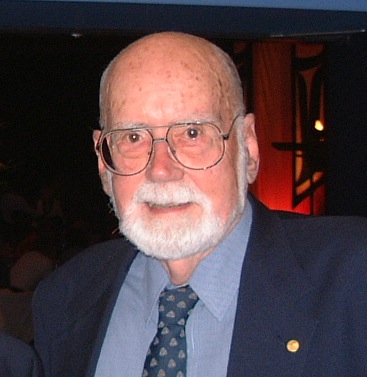 Same disease or problem1975Allogeneic bone marrow (hematopoietic stem cell) transplantation as curative therapy (Thomas)More than 60 percent of ELIANA patients had already had a stem cell transplant, and Seattle had found donor immune cells attack leukemia. The Seattle entry shows how marrow transplants were made to work.Read this moment
-
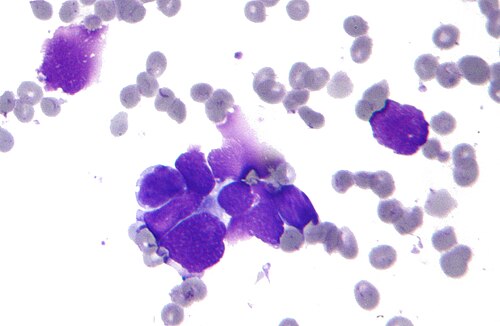 Same disease or problem2024Tarlatamab (Imdelltra) for small cell lung cancerBoth steer a patient's T cells onto cancer cells, CAR-T by engineering the cells and tarlatamab with a linking antibody. The tarlatamab entry shows longer survival in small cell lung cancer.Read this moment