Endocrinology
2023
SELECT (Semaglutide Cardiovascular Outcomes in Obesity)
In 17,604 adults with obesity and cardiovascular disease but no diabetes, weekly semaglutide cut cardiovascular death, heart attack, and stroke by 20% over about 40 months, the first such benefit shown for an obesity drug.
Key people
- A. Michael Lincoff
- Principal investigator, Cleveland Clinic
- Donna Ryan
- Co-investigator, Pennington Biomedical Research Center
- John Deanfield
- Co-investigator; cardiovascular medicine, University College London
Source
Before SELECT, every cardiovascular outcomes trial for a GLP-1 receptor agonist had been conducted in patients with type 2 diabetes. Regulators required those trials to prove safety, not superiority, so the question of whether the drug's cardiac benefit was tied to glucose lowering or something else remained unresolved. Obesity without diabetes was an enormous population with elevated cardiovascular risk and almost no pharmacologic options beyond statins, antihypertensives, and aspirin.
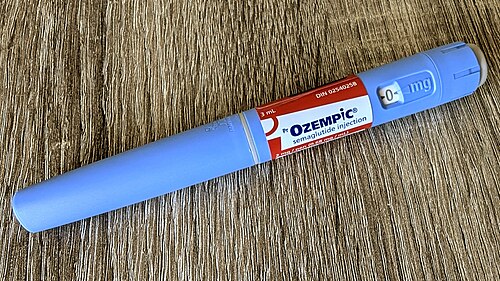
SELECT enrolled 17,604 adults with established cardiovascular disease and a BMI of 27 or higher but no diabetes, randomizing them to once-weekly subcutaneous semaglutide 2.4 mg or placebo. The trial was conducted across more than 800 sites in 41 countries and was sponsored by Novo Nordisk. A. Michael Lincoff of Cleveland Clinic was the trial's principal investigator; Donna Ryan of the Pennington Biomedical Research Center was among the co-investigators. After a median follow-up of roughly 40 months, 6.5% of the semaglutide group reached the composite primary endpoint of cardiovascular death, nonfatal myocardial infarction, or nonfatal stroke, versus 8.0% in the placebo group, a 20% relative risk reduction.
The finding carried a specific conceptual weight: it decoupled the cardiovascular benefit from glycemic improvement entirely. Participants had never had diabetes, so no hemoglobin A1c reduction was contributing to the result. That left weight loss, inflammation reduction, blood pressure effects, or some direct vascular action of the drug as the probable mechanisms, none of them fully characterized at the time of publication. Cardiologists who had previously thought of semaglutide as an endocrinologist's tool reconsidered that position.
The FDA updated the prescribing information for semaglutide 2.4 mg in March 2024 to include a cardiovascular risk reduction indication, the first obesity drug to carry such a label. The trial also generated one of the largest datasets on the long-term safety of high-dose semaglutide outside diabetes studies, with gastrointestinal adverse events remaining the main tolerability issue and no new safety signals emerging over more than three years of follow-up.
SELECT did not address duration of therapy, what happens to cardiovascular risk after stopping, or whether lower-weight patients with obesity derive the same benefit. Those questions were left to follow-on investigation. What the trial settled was the narrower but practically important point: weekly semaglutide reduces major adverse cardiac events in obese, non-diabetic patients with established cardiovascular disease.
Keep exploring
 Read next · same disease or problem
LEADER (2016)
LEADER showed a GLP-1 drug protects the heart in type 2 diabetes, and SELECT showed it in obesity without diabetes. The LEADER entry shows liraglutide cutting cardiovascular death by 22 percent.
Read this moment
Read next · same disease or problem
LEADER (2016)
LEADER showed a GLP-1 drug protects the heart in type 2 diabetes, and SELECT showed it in obesity without diabetes. The LEADER entry shows liraglutide cutting cardiovascular death by 22 percent.
Read this moment
 Today on The Clinical Times
Florida dengue outbreak appears to be largest in continental U.S. in decades
Florida has reported more than 250 locally acquired dengue cases this year, with most in Hillsborough County, according to state health officials.
Read today’s top stories
Today on The Clinical Times
Florida dengue outbreak appears to be largest in continental U.S. in decades
Florida has reported more than 250 locally acquired dengue cases this year, with most in Hillsborough County, according to state health officials.
Read today’s top stories
All 526 moments in the history of medicine. This one is in chapter 7, Genes and pandemics
Connected moments
How this moment links to others in the history of medicine, and what you will find in each.
-
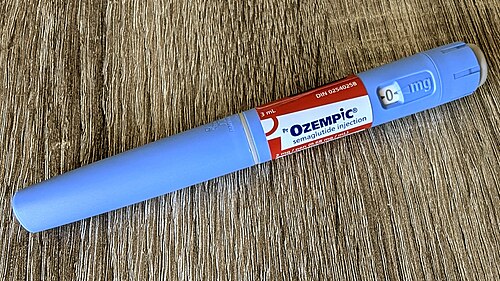 Built on2021STEP 1 (Semaglutide for Obesity)SELECT tested the same weekly semaglutide dose that produced large weight loss in STEP-1. The STEP-1 entry shows about 15 percent average weight loss in adults without diabetes.Read this moment
-
 Same disease or problem2015EMPA-REG OUTCOMEBoth found a metabolic drug cutting cardiovascular events for reasons beyond glucose lowering. The EMPA-REG entry shows cardiovascular mortality cut by 38 percent in type 2 diabetes.Read this moment
-
 Same disease or problem19944S (Scandinavian Simvastatin Survival Study)Before SELECT, obese patients with heart disease relied on drugs such as statins, whose life-saving value 4S had proved. The 4S entry shows simvastatin cutting deaths by 30 percent in coronary patients.Read this moment