Endocrinology
2021
STEP 1 (Semaglutide for Obesity)
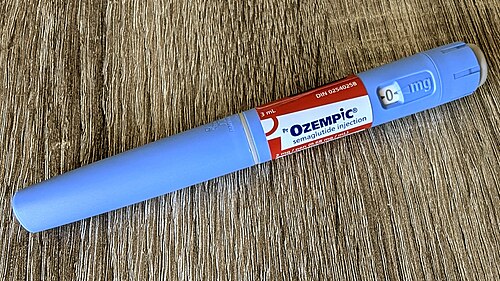
A GLP-1 drug delivered about 15% mean weight loss in non-diabetic adults, far beyond prior obesity medications and within range of some bariatric surgery, which moved semaglutide into mainstream obesity treatment.
Key people
- Robert Kushner
- Principal investigator, STEP 1 trial
- John Wilding
- Lead author of the STEP 1 NEJM publication
- Domenica Rubino
- Obesity medicine physician, STEP program co-investigator
Source
For most of the 2010s, the pharmacologic options for obesity were modest. Orlistat, phentermine-topiramate, and naltrexone-bupropion produced average weight losses in the range of 5 to 9% in phase 3 trials, enough to improve metabolic parameters but short of the 10 to 15% threshold that most obesity specialists considered clinically meaningful for severe disease. GLP-1 receptor agonists had been developed for type 2 diabetes and produced incidental weight loss in that setting, but no GLP-1 drug had been tested at the doses needed to evaluate its full anti-obesity potential. Novo Nordisk developed a weekly subcutaneous formulation of semaglutide at 2.4 mg, substantially higher than the 1 mg dose approved for diabetes, and designed the STEP program to test it specifically in people with obesity.
STEP 1 enrolled 1,961 adults with a BMI of 30 or above, or 27 or above with a weight-related complication, who did not have diabetes. Participants received weekly subcutaneous semaglutide 2.4 mg or placebo for 68 weeks alongside structured lifestyle intervention. Mean weight loss reached 14.9% in the semaglutide group versus 2.4% on placebo. Eighty-six percent of semaglutide participants lost at least 5% of body weight; a third lost 20% or more. Robert Kushner was the trial's principal investigator, and John Wilding was lead author of the New England Journal of Medicine publication in 2021.
At the time of publication, no pharmacologic treatment had come close to 15% mean weight loss in a phase 3 trial. The magnitude overlapped with outcomes from Roux-en-Y gastric bypass at the lower end of that procedure's range, which prompted genuine reassessment of whether bariatric surgery retained a sufficiently large efficacy advantage to justify its perioperative risks for all eligible patients. That conversation was not settled by one trial, but the reference point had shifted. The FDA approved semaglutide 2.4 mg as Wegovy in June 2021.
The drug's clinical reach extended further when the SELECT trial, published in 2023, enrolled obese adults without diabetes and demonstrated a 20% reduction in major cardiovascular events with semaglutide 2.4 mg over a mean of 34 months of treatment exposure. That result moved semaglutide from an obesity medication with metabolic benefits into a drug with a dedicated cardiovascular indication, qualitatively similar to the position statins occupy in lipid management. Supply shortages followed the launch and persisted for years, limiting access despite formal approval and insurance coverage expansion.
Keep exploring
 Read next · same disease or problem
SURMOUNT-1 (Tirzepatide for Obesity) (2022)
STEP-1 raised the ceiling for obesity drugs, and tirzepatide pushed it higher a year later. The SURMOUNT-1 entry shows about 21 percent weight loss at the top dose.
Read this moment
Read next · same disease or problem
SURMOUNT-1 (Tirzepatide for Obesity) (2022)
STEP-1 raised the ceiling for obesity drugs, and tirzepatide pushed it higher a year later. The SURMOUNT-1 entry shows about 21 percent weight loss at the top dose.
Read this moment
 Today on The Clinical Times
Florida dengue outbreak appears to be largest in continental U.S. in decades
Florida has reported more than 250 locally acquired dengue cases this year, with most in Hillsborough County, according to state health officials.
Read today’s top stories
Today on The Clinical Times
Florida dengue outbreak appears to be largest in continental U.S. in decades
Florida has reported more than 250 locally acquired dengue cases this year, with most in Hillsborough County, according to state health officials.
Read today’s top stories
All 526 moments in the history of medicine. This one is in chapter 7, Genes and pandemics
Connected moments
How this moment links to others in the history of medicine, and what you will find in each.
-
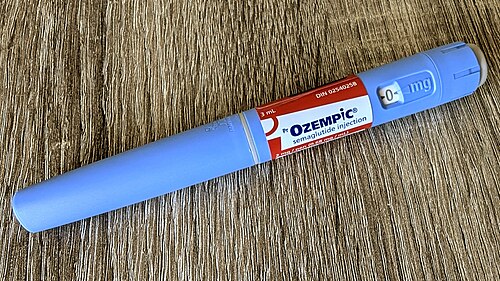 Led to2023SELECT (Semaglutide Cardiovascular Outcomes in Obesity)After STEP-1 proved large weight loss, SELECT showed semaglutide also cut heart attacks and strokes in people with obesity. The SELECT entry shows a 20 percent drop in cardiovascular events.Read this moment
-
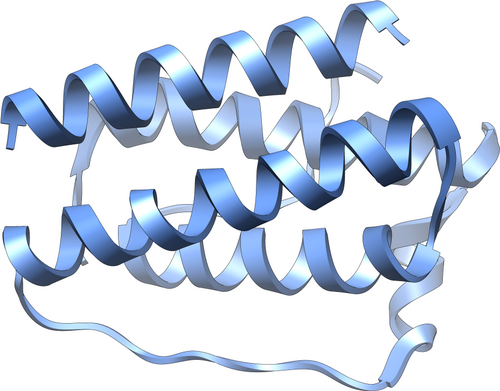 Same disease or problem1994Discovery of LeptinLeptin recast obesity as a problem of weight regulation but failed as a common treatment, and semaglutide finally delivered large weight loss. The leptin entry shows fat tissue revealed as a hormone gland.Read this moment
-
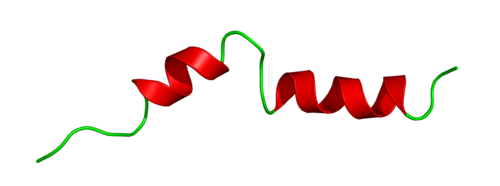 Built on2016LEADERGLP-1 drugs were first developed for type 2 diabetes, where LEADER showed liraglutide protecting the heart. The LEADER entry shows cardiovascular deaths cut by 22 percent.Read this moment