Neurology & Psychiatry
2024
Donanemab (Kisunla) for early Alzheimer disease
Second anti-amyloid antibody approved for early Alzheimer disease, cleared July 2024. It slowed clinical decline by roughly a quarter over 18 months and can be stopped once amyloid is cleared, but carries a warning for amyloid-related brain swelling and bleeding.
Key people
- Mark Mintun
- Group vice president of neuroscience research and development, Eli Lilly; led donanemab clinical program
- John Sims
- Eli Lilly physician-scientist, primary trial lead
- Reisa Sperling
- Harvard neurologist (Mass General Brigham); investigator in the TRAILBLAZER-ALZ donanemab trial program
Source
Anti-amyloid therapy for Alzheimer disease had a long and troubled history before 2023. Multiple high-profile antibodies had failed in phase 3 trials, and the early approval of aducanumab in 2021 remained deeply contested, with three FDA advisory committee members resigning in protest. By the time donanemab entered late-stage development, the field had learned to require confirmed amyloid pathology at enrollment and to focus on early symptomatic patients rather than those with advanced disease.
TRAILBLAZER-ALZ 2, run by Eli Lilly, randomized 1,736 patients with early symptomatic Alzheimer disease who had PET-confirmed amyloid and tau pathology. John Sims, a physician-scientist at Lilly, led the trial program; Mark Mintun, Lilly's group vice president of neuroscience research and development, oversaw the broader clinical development strategy. After 18 months, patients with low-to-medium tau burden showed a 35% slowing of decline on the integrated Alzheimer Disease Rating Scale; across the full trial population the figure was 22%. Amyloid PET load fell substantially in the treated group.
One aspect of the trial design set donanemab apart from lecanemab, the other anti-amyloid antibody reaching approval around the same time. The protocol allowed stopping treatment once a patient achieved amyloid clearance on PET, and roughly half of participants met that threshold by 12 months. This introduced the possibility of a defined treatment course rather than indefinite monthly infusions, which had practical implications for cost, infusion center capacity, and patient burden. Whether stopping actually preserved the cognitive benefit over years remained unanswered at the time of approval.
The FDA granted traditional approval in July 2024 under the brand name Kisunla. The safety profile required careful discussion with patients. ARIA-E occurred in approximately 24% of treated patients and ARIA-H in approximately 31%; three deaths in the trial were attributed to ARIA complications. Prescribing required documentation of amyloid pathology before initiation, and MRI monitoring was necessary to detect early imaging abnormalities, limiting use to centers with the infrastructure to support it.
Donanemab joined lecanemab in giving neurologists two approved options for slowing early Alzheimer progression, both acting through amyloid clearance. Neither drug reverses existing deficits, and both carry meaningful bleeding and edema risk. Patient selection, particularly around tau burden and APOE4 genotype, became an immediate clinical question, as APOE4 homozygotes faced disproportionately elevated ARIA rates in both trials.
Keep exploring
 Read next · same disease or problem
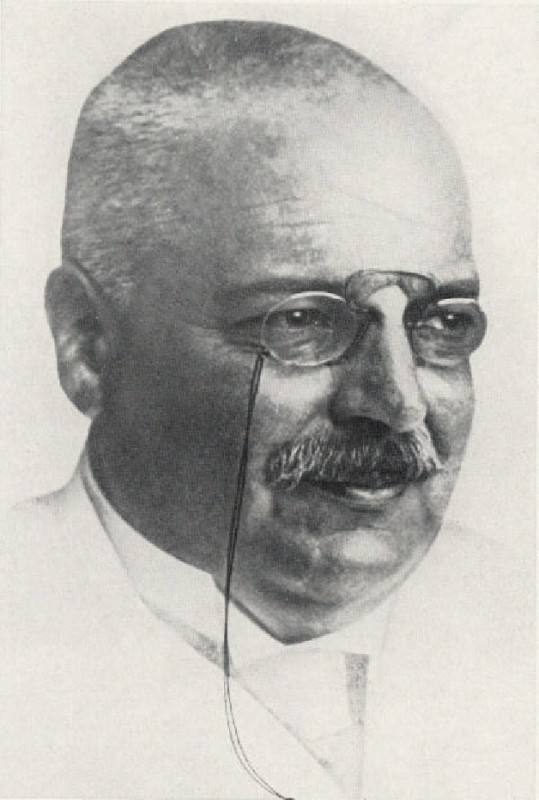
Alois Alzheimer's case of Auguste D. (1906)
Donanemab targets the amyloid plaques Alzheimer described in his first patient's brain. His entry shows the 1906 case that gave the disease its name.
Read this moment
Read next · same disease or problem
Alois Alzheimer's case of Auguste D. (1906)
Donanemab targets the amyloid plaques Alzheimer described in his first patient's brain. His entry shows the 1906 case that gave the disease its name.
Read this moment
 Today on The Clinical Times
Florida dengue outbreak appears to be largest in continental U.S. in decades
Florida has reported more than 250 locally acquired dengue cases this year, with most in Hillsborough County, according to state health officials.
Read today’s top stories
Today on The Clinical Times
Florida dengue outbreak appears to be largest in continental U.S. in decades
Florida has reported more than 250 locally acquired dengue cases this year, with most in Hillsborough County, according to state health officials.
Read today’s top stories
All 526 moments in the history of medicine. This one is in chapter 7, Genes and pandemics
Connected moments
How this moment links to others in the history of medicine, and what you will find in each.
-
 Same disease or problem2023Lecanemab (CLARITY AD): anti-amyloid antibody for Alzheimer diseaseDonanemab followed lecanemab as the second anti-amyloid antibody for early Alzheimer disease, both with brain swelling risks. The lecanemab entry shows the first traditional approval on clinical benefit.Read this moment
-
 Built on1973Lauterbur's NMR imaging (zeugmatography), origin of MRIDonanemab can be given only where MRI monitoring can catch its brain swelling and bleeding early. Lauterbur's entry shows how magnetic resonance was first turned into images.Read this moment