Endocrinology
2022
SURMOUNT-1 (Tirzepatide for Obesity)
Tirzepatide cut body weight by about a fifth at 72 weeks in adults with obesity, a step beyond earlier GLP-1 drugs and the first dual GIP/GLP-1 agonist to reach this level in a phase 3 obesity trial.

Key people
- Ania Jastreboff
- Lead investigator and NEJM first author, SURMOUNT-1
- Jeff Emmick
- Eli Lilly VP of product development, tirzepatide program lead
- Louis Aronne
- Obesity medicine specialist, Weill Cornell, SURMOUNT co-investigator
Source
When semaglutide 2.4 mg produced nearly 15% mean weight loss in STEP 1, it moved the pharmacologic ceiling for obesity treatment higher than it had been in decades. Within months, Eli Lilly was completing enrollment in SURMOUNT-1, testing a different molecule with a different mechanism. Tirzepatide is a single synthetic peptide that activates both GLP-1 receptors and glucose-dependent insulinotropic polypeptide (GIP) receptors simultaneously. GIP had long been considered a minor incretin with little therapeutic value; earlier attempts to block GIP signaling had not improved outcomes in metabolic disease, and the field had largely moved on. Tirzepatide turned that assumption around by demonstrating that agonizing GIP alongside GLP-1 produced effects no one had achieved with GLP-1 alone.
SURMOUNT-1 enrolled 2,539 non-diabetic adults with obesity and tested three doses of tirzepatide (5 mg, 10 mg, and 15 mg weekly) against placebo over 72 weeks. At the 15 mg dose, mean weight loss reached 20.9%. Sixty-three percent of participants in that group lost at least 20% of body weight. Ania Jastreboff led the investigation and was first author on the New England Journal of Medicine publication in 2022. Jeff Emmick at Eli Lilly oversaw the tirzepatide development program.
Whether tirzepatide's superior weight loss reflects the added GIP agonism specifically, a difference in dose, or pharmacokinetic properties of the molecule compared to semaglutide remained under investigation after the trial. The SURPASS trial program, testing tirzepatide in type 2 diabetes, had shown HbA1c reductions and weight loss superior to semaglutide 1 mg head-to-head, but that comparison used the lower diabetes dose of semaglutide, leaving direct high-dose comparisons incomplete. Head-to-head obesity trials comparing the two agents were ongoing as of 2024.
The FDA approved tirzepatide as Zepbound for chronic weight management in November 2023; the drug had already been on the market as Mounjaro for type 2 diabetes since May 2022. In December 2024, an additional indication for obesity-related obstructive sleep apnea followed, based on the SURMOUNT-OSA trial data showing reduced apnea-hypopnea index alongside weight loss. The entry of tirzepatide into the obesity market coincided with ongoing semaglutide supply shortages, intensifying both demand and the clinical debate about which agent to prescribe first.
Keep exploring
 Read next · built on
STEP 1 (Semaglutide for Obesity) (2021)
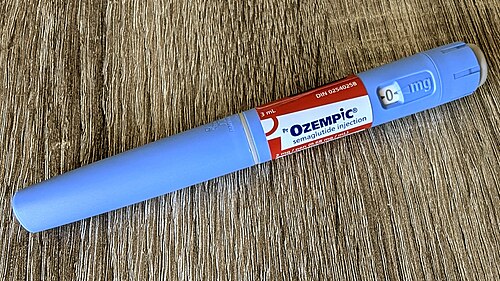
STEP-1 had raised the bar with nearly 15 percent weight loss, and tirzepatide added a second hormone target to go further. The STEP-1 entry shows semaglutide's results in adults without diabetes.
Read this moment
Read next · built on
STEP 1 (Semaglutide for Obesity) (2021)
STEP-1 had raised the bar with nearly 15 percent weight loss, and tirzepatide added a second hormone target to go further. The STEP-1 entry shows semaglutide's results in adults without diabetes.
Read this moment
 Today on The Clinical Times
Florida dengue outbreak appears to be largest in continental U.S. in decades
Florida has reported more than 250 locally acquired dengue cases this year, with most in Hillsborough County, according to state health officials.
Read today’s top stories
Today on The Clinical Times
Florida dengue outbreak appears to be largest in continental U.S. in decades
Florida has reported more than 250 locally acquired dengue cases this year, with most in Hillsborough County, according to state health officials.
Read today’s top stories
All 526 moments in the history of medicine. This one is in chapter 7, Genes and pandemics
Connected moments
How this moment links to others in the history of medicine, and what you will find in each.
-
 Led to2024Tirzepatide (Zepbound) for obstructive sleep apneaThe weight loss seen in SURMOUNT-1 led to trials in sleep apnea, and tirzepatide won approval for it in 2024. That entry shows apnea events cut by about 25 to 29 an hour.Read this moment
-
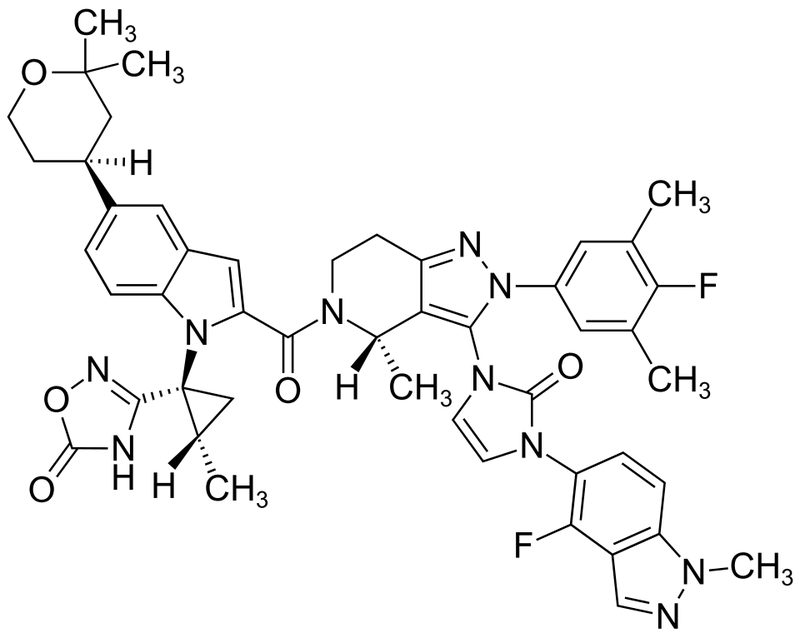 Same disease or problem2026Orforglipron, a small-molecule GLP-1 pillTirzepatide and semaglutide were weekly injections, and orforglipron brought the approach to a daily pill. The orforglipron entry shows a small molecule approved for obesity in 2026.Read this moment
-
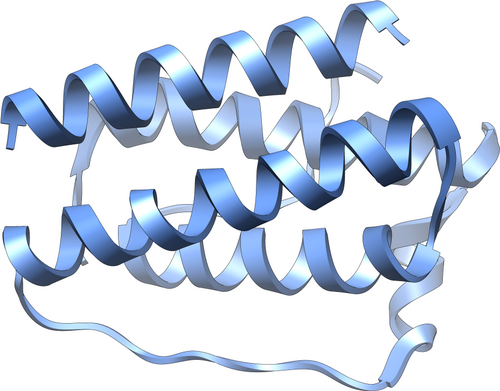 Same disease or problem1994Discovery of LeptinLeptin revealed that the body regulates its weight through hormones, and tirzepatide acts on two gut hormone receptors. The leptin entry shows fat tissue reporting its stores to the brain.Read this moment