Public Health
2020
Population evidence that HPV vaccination prevents invasive cervical cancer
Earlier HPV vaccine studies tracked precancers. This Swedish cohort of 1.67 million was the first to show vaccination lowers actual invasive cervical cancer, with an 88% lower risk when given before age 17.
Key people
- Jiayao Lei
- Lead author, Karolinska Institutet
- Par Sparen
- Senior author and epidemiologist, Karolinska Institutet
- Joakim Dillner
- HPV researcher and registry scientist, Karolinska
Source
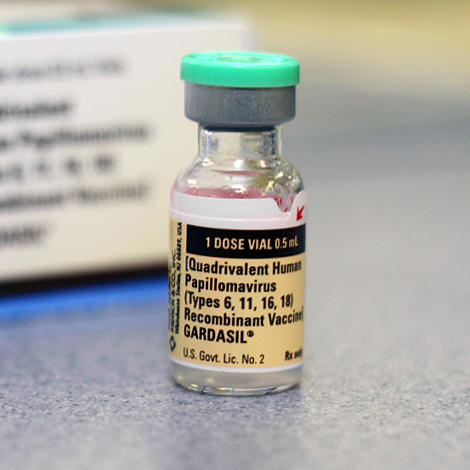
Sweden made the quadrivalent HPV vaccine available starting in 2006, initially through a subsidized opportunistic program for teenage girls, and folded it into the national childhood immunization program in 2012. The country already maintained one of the world's most complete cancer registries, with linkage to vaccination records going back to individual patients. That infrastructure made it possible to ask a question that randomized trials could not easily answer within their typical follow-up windows: does vaccination actually prevent invasive cervical cancer, not just the precancerous lesions used as a proxy for it. The distinction mattered clinically because CIN2 and CIN3 regress spontaneously in a substantial fraction of women, and their reduction does not guarantee a proportional drop in frank malignancy.
A research team at Karolinska Institutet, led by Jiayao Lei and senior epidemiologist Par Sparen, linked national vaccination records to cancer registry data for 1.67 million girls and women who were 10 to 30 years old at some point between 2006 and 2017. The analysis, published in the New England Journal of Medicine in October 2020, found that women vaccinated before age 17 had an 88% lower rate of invasive cervical cancer than unvaccinated peers. Those vaccinated between ages 17 and 30 had a 53% reduction. The dose-response pattern by age at first vaccination matched the expected biology: the vaccine's benefit is greatest when given before exposure to the virus, ideally before sexual debut.
This was the first population-level cohort to demonstrate a reduction in actual invasive cancer rather than surrogate endpoints. Prior phase 3 trials, including the FUTURE I and FUTURE II studies that supported the original vaccine approvals, had measured CIN2/3 and adenocarcinoma in situ. The Swedish result closed that evidentiary gap, providing direct evidence for the intervention's ultimate clinical purpose. The magnitude of the effect in the youngest age group was larger than many investigators had projected.
The findings arrived as WHO was consolidating its position on single-dose vaccination schedules. Combined with immunogenicity data from the FUTURE trials and durability studies from Costa Rica and Kenya, the Swedish cohort supported WHO's 2022 recommendation that a single dose in girls aged 9 to 14 provides protection comparable to two doses, a change with direct implications for low-income countries where multi-dose completion rates have historically been poor. Sweden's national cervical cancer statistics through 2024 showed incidence continuing to fall, especially among women under 30, consistent with the cohort data.
Keep exploring
 Read next · built on
FUTURE / Quadrivalent HPV Vaccine Efficacy Trials (2006)
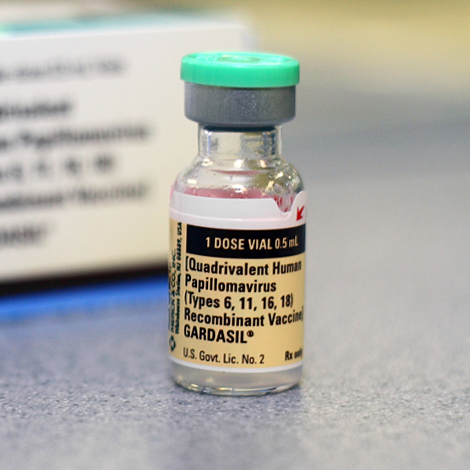
The FUTURE trials measured precancers, and the Swedish cohort closed the gap by counting invasive cancers. The FUTURE entry shows the vaccine cutting high-grade precancers by 98 percent in uninfected women.
Read this moment
Read next · built on
FUTURE / Quadrivalent HPV Vaccine Efficacy Trials (2006)
The FUTURE trials measured precancers, and the Swedish cohort closed the gap by counting invasive cancers. The FUTURE entry shows the vaccine cutting high-grade precancers by 98 percent in uninfected women.
Read this moment
 Today on The Clinical Times
Florida dengue outbreak appears to be largest in continental U.S. in decades
Florida has reported more than 250 locally acquired dengue cases this year, with most in Hillsborough County, according to state health officials.
Read today’s top stories
Today on The Clinical Times
Florida dengue outbreak appears to be largest in continental U.S. in decades
Florida has reported more than 250 locally acquired dengue cases this year, with most in Hillsborough County, according to state health officials.
Read today’s top stories
All 526 moments in the history of medicine. This one is in chapter 7, Genes and pandemics
Connected moments
How this moment links to others in the history of medicine, and what you will find in each.
-
 Built on1976Harald zur Hausen hypothesis linking HPV to cervical cancerZur Hausen proposed in 1976 that a wart virus causes cervical cancer, and the Swedish data showed vaccinating against it prevents the cancer. His entry shows HPV types cloned from tumors in his lab.Read this moment
-
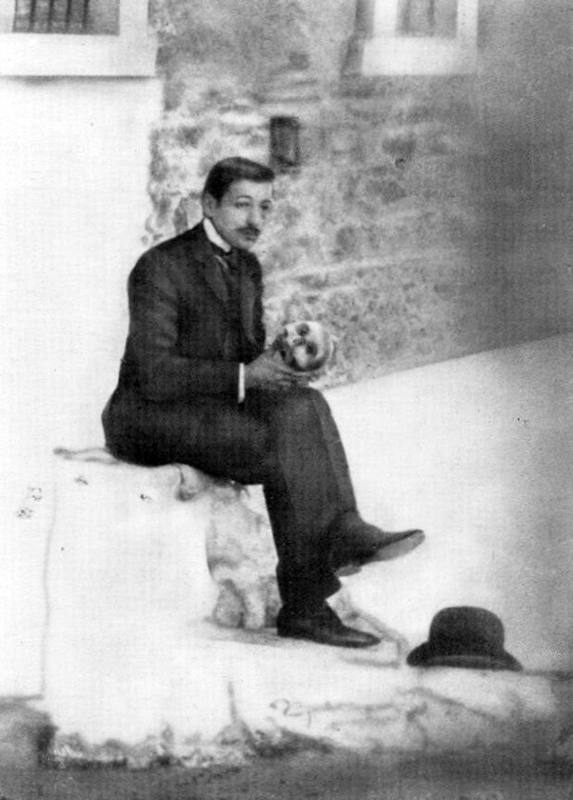 Same disease or problem1943The Papanicolaou SmearBoth fight cervical cancer, the Pap smear by catching early changes and the vaccine by preventing infection. The Pap entry shows how screening began with cells shed into a smear.Read this moment
-
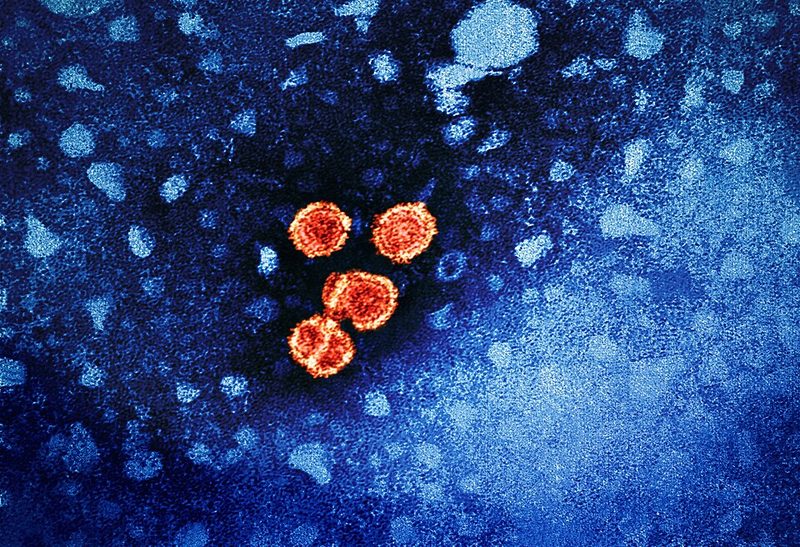 Same disease or problem1997Hepatitis B vaccine and liver cancer in TaiwanBoth gave population proof that vaccinating the young against a virus prevents cancer later. The Taiwan entry shows childhood liver cancer halved after universal hepatitis B vaccination.Read this moment