Infectious Disease
2020
RECOVERY Trial: Dexamethasone for COVID-19
First drug shown to cut COVID-19 deaths. In RECOVERY, dexamethasone lowered 28-day mortality from 25.7% to 22.9%, with the largest effect in ventilated patients (about one-third fewer deaths). It became standard care within days.

Key people
- Peter Horby
- Co-chief investigator, RECOVERY trial
- Martin Landray
- Co-chief investigator, RECOVERY trial
- Richard Haynes
- Senior trial manager, Oxford Population Health
- Jonathan Emberson
- Senior statistician, Oxford Clinical Trial Service Unit
Source
N Engl J Med. 2021;384(8):693-704 (preliminary report June 2020) (opens in a new tab)
In March 2020, as intensive care units across England filled with patients on mechanical ventilators, the University of Oxford launched a platform trial designed to test multiple COVID-19 treatments simultaneously within the NHS. RECOVERY (Randomised Evaluation of COVID-19 Therapy) opened across 176 hospitals, using an adaptive design that allowed arms to be added or dropped without closing the trial. Peter Horby and Martin Landray co-led the effort. Among the first agents tested was low-dose dexamethasone, a corticosteroid available at every hospital on earth, chosen because the pathophysiology of severe COVID-19 increasingly resembled a dysregulated inflammatory response rather than uncontrolled viral replication.
On June 16, 2020, investigators announced that 6 mg of dexamethasone daily for up to 10 days cut 28-day all-cause mortality from 25.7% to 22.9% in the overall population. The benefit was sharply concentrated by respiratory status. Among patients requiring invasive mechanical ventilation, 28-day mortality was 29.3% with dexamethasone versus 41.4% with usual care, a reduction of about one third. Among those on supplemental oxygen alone, it was 23.3% versus 26.2%. Patients receiving no respiratory support showed no benefit and a non-significant trend toward harm, a finding that argued against prophylactic steroid use in mild disease and indicated that the drug was treating the inflammatory injury, not the virus itself.
The WHO issued a statement the same day welcoming the results and said its clinical guidance would be updated accordingly, months before the formal paper appeared in the New England Journal of Medicine the following February. That sequence, public health action preceding peer-reviewed publication, reflected the emergency conditions and the quality of the RECOVERY platform's design. Dexamethasone is a decades-old generic corticosteroid that costs very little and was already stocked in hospital pharmacies at every income level. No logistical barrier stood between the evidence and its implementation.
RECOVERY continued enrolling into other arms after the dexamethasone result. Tocilizumab, an IL-6 receptor antagonist, and baricitinib, a JAK inhibitor, were subsequently shown to reduce mortality further in patients already receiving dexamethasone. Together, the three drugs gave clinicians a layered anti-inflammatory strategy for severe COVID-19. The RECOVERY platform's design became a template cited in subsequent infectious disease preparedness discussions, valued for the speed at which it generated credible answers without sacrificing randomized controls.
Keep exploring
 Read next · same disease or problem
Emergence of SARS-CoV-2 and the COVID-19 pandemic (2020)
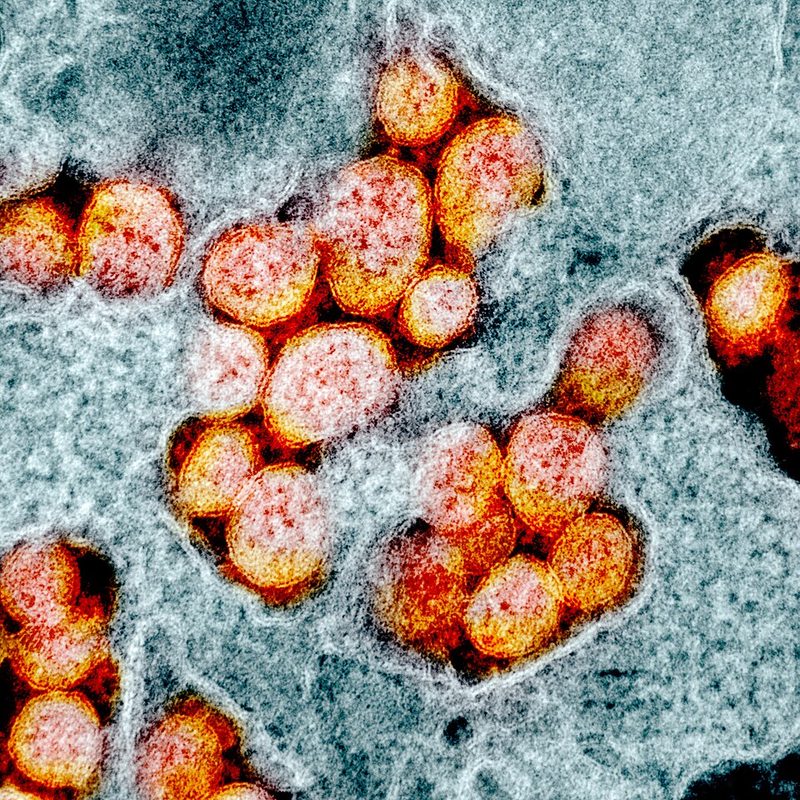
RECOVERY launched in March 2020 as COVID-19 filled intensive care units. The emergence entry shows the new coronavirus spreading to 114 countries by the time WHO called it a pandemic.
Read this moment
Read next · same disease or problem
Emergence of SARS-CoV-2 and the COVID-19 pandemic (2020)
RECOVERY launched in March 2020 as COVID-19 filled intensive care units. The emergence entry shows the new coronavirus spreading to 114 countries by the time WHO called it a pandemic.
Read this moment
 Today on The Clinical Times
Florida dengue outbreak appears to be largest in continental U.S. in decades
Florida has reported more than 250 locally acquired dengue cases this year, with most in Hillsborough County, according to state health officials.
Read today’s top stories
Today on The Clinical Times
Florida dengue outbreak appears to be largest in continental U.S. in decades
Florida has reported more than 250 locally acquired dengue cases this year, with most in Hillsborough County, according to state health officials.
Read today’s top stories
All 526 moments in the history of medicine. This one is in chapter 7, Genes and pandemics
Connected moments
How this moment links to others in the history of medicine, and what you will find in each.
-
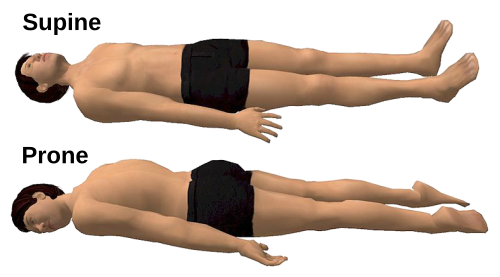 Same disease or problem2013PROSEVA prone positioning in severe ARDSDexamethasone saved the most lives among ventilated patients, the group whose care also relied on PROSEVA's proning. The PROSEVA entry shows face-down positioning halving deaths in severe ARDS.Read this moment
-
 Same disease or problem1988ISIS-2 (Second International Study of Infarct Survival)Both were huge, simple randomized trials that found a cheap drug saving lives, aspirin in heart attack and dexamethasone in COVID-19. The ISIS-2 entry shows 17,187 patients enrolled in 417 hospitals.Read this moment
-
 Same disease or problem1949Cortisone for Rheumatoid ArthritisDexamethasone worked by calming harmful inflammation, the use of corticosteroids that cortisone first opened. The cortisone entry shows a patient with rheumatoid arthritis improving dramatically in 1948.Read this moment