Public Health
2024
Nirsevimab cuts infant RSV hospitalization
In the first full U.S. season of wide use, the long-acting antibody was about 90 percent effective at preventing RSV hospitalization in infants. Admissions fell sharply where nirsevimab and the maternal RSV vaccine were available.
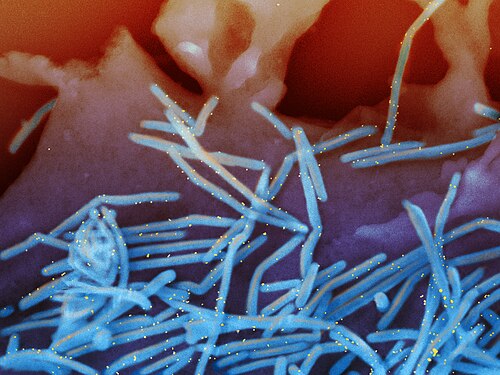
Key people
- Laura Hammitt
- Lead investigator, MELODY trial, Johns Hopkins University
- Tonya Villafana
- AstraZeneca clinical development lead for nirsevimab
Source
RSV has been the leading cause of infant hospitalization in the United States for decades, accounting for roughly 58,000 to 80,000 hospitalizations annually in children under 5 before the arrival of effective preventive agents. Palivizumab, a monthly monoclonal antibody approved in 1998, reduced that burden in premature infants and those with specific comorbidities, but its short half-life and high cost made universal prophylaxis impractical. Full-term, otherwise healthy infants had no preventive option beyond supportive care and hand hygiene.
Nirsevimab was designed to address that gap. It targets a prefusion-stabilized epitope on the RSV fusion protein with higher potency and a longer half-life than palivizumab, enabling a single intramuscular dose at or near birth to provide protection for an entire RSV season. The phase 3 MELODY trial, led by Laura Hammitt of Johns Hopkins University, enrolled healthy late-preterm and term infants and demonstrated 76.4% efficacy against medically attended RSV lower respiratory tract infection, with a similar 76.8% efficacy against hospitalization specifically. ACIP recommended nirsevimab for all infants under 8 months entering their first RSV season in August 2023.
The 2023-24 season provided the first nationwide effectiveness data. CDC surveillance, published in MMWR in 2024, showed 90% effectiveness against RSV hospitalization in infants under 8 months, consistent with the trial estimates. That figure emerged from real-world use, which included variation in injection timing, storage, and the concurrent presence of other respiratory pathogens.
Hospitalization rates fell visibly in regions with high nirsevimab uptake, and the effect was measurable even against the background of maternal RSV vaccination, which had launched in the same season using a different mechanism: maternal immunization with Pfizer's Abrysvo during pregnancy to transfer passive antibody to the newborn via the placenta. The two approaches offered overlapping but not identical protection windows.
For pediatricians and neonatologists, the data confirmed that passive immunoprophylaxis for RSV now extends beyond the original high-risk palivizumab population to all newborns. Supply constraints during the first season limited uptake in some regions, which became a logistics problem distinct from the question of efficacy. The combination of maternal vaccine and infant antibody represented a two-product prevention model that had not previously existed for any common respiratory pathogen in the neonatal period.
Keep exploring
 Read next · built on
Köhler and Milstein hybridoma technique (1975)
Nirsevimab is a monoclonal antibody, the kind of single chosen antibody the hybridoma first made available. The hybridoma entry shows how fused cells produced one antibody without limit.
Read this moment
Read next · built on
Köhler and Milstein hybridoma technique (1975)
Nirsevimab is a monoclonal antibody, the kind of single chosen antibody the hybridoma first made available. The hybridoma entry shows how fused cells produced one antibody without limit.
Read this moment
 Today on The Clinical Times
Florida dengue outbreak appears to be largest in continental U.S. in decades
Florida has reported more than 250 locally acquired dengue cases this year, with most in Hillsborough County, according to state health officials.
Read today’s top stories
Today on The Clinical Times
Florida dengue outbreak appears to be largest in continental U.S. in decades
Florida has reported more than 250 locally acquired dengue cases this year, with most in Hillsborough County, according to state health officials.
Read today’s top stories
All 526 moments in the history of medicine. This one is in chapter 7, Genes and pandemics
Connected moments
How this moment links to others in the history of medicine, and what you will find in each.
-
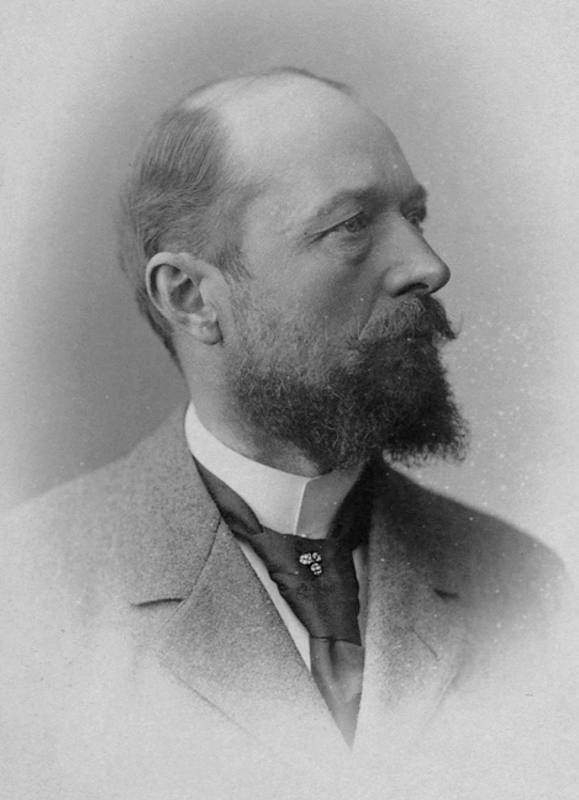 Same disease or problem1890Behring and Kitasato's antitoxinsBoth protect by giving ready-made antibodies, serum from immunized animals in 1890 and a laboratory antibody for newborns today. The antitoxin entry shows serum curing diphtheria in children.Read this moment
-
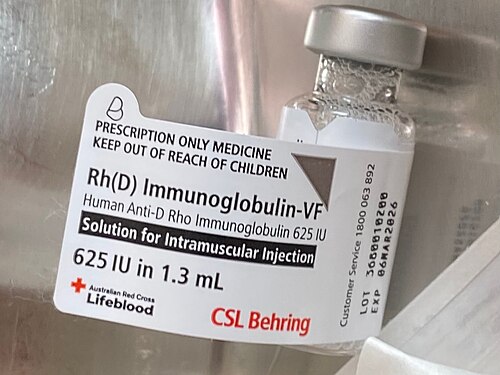 Same disease or problem1968Rh Immune Globulin (Anti-D / RhoGAM) for Prevention of Rh Hemolytic DiseaseBoth use a dose of antibody around birth to shield babies from a common threat. The RhoGAM entry shows Rh disease of the newborn falling by about 90 percent.Read this moment
-
 Same disease or problem1987Haemophilus influenzae type b (Hib) conjugate vaccineBoth protect infants in their first months from a leading cause of serious infection. The Hib entry shows invasive disease falling by more than 99 percent after conjugate vaccines.Read this moment