Public Health
1980
Global Eradication of Smallpox
On 8 May 1980 the World Health Assembly declared smallpox eradicated, about two and a half years after the last naturally acquired case, in Somalia. It is still the only human infectious disease to have been eradicated, a result of surveillance, containment and ring vaccination.
Key people
- Donald Henderson
- Head of the WHO Intensified Smallpox Eradication Programme from October 1966
- Frank Fenner
- Virologist who chaired the Global Commission certifying eradication
- Ali Maow Maalin
- Last person with naturally acquired smallpox, Somalia, 1977
- Viktor Zhdanov
- Soviet virologist who proposed the global eradication initiative to the WHO in 1958
Source
Strassburg MA, Am J Infect Control, 1982 (WHO Resolution WHA33.3, 1980) (opens in a new tab)
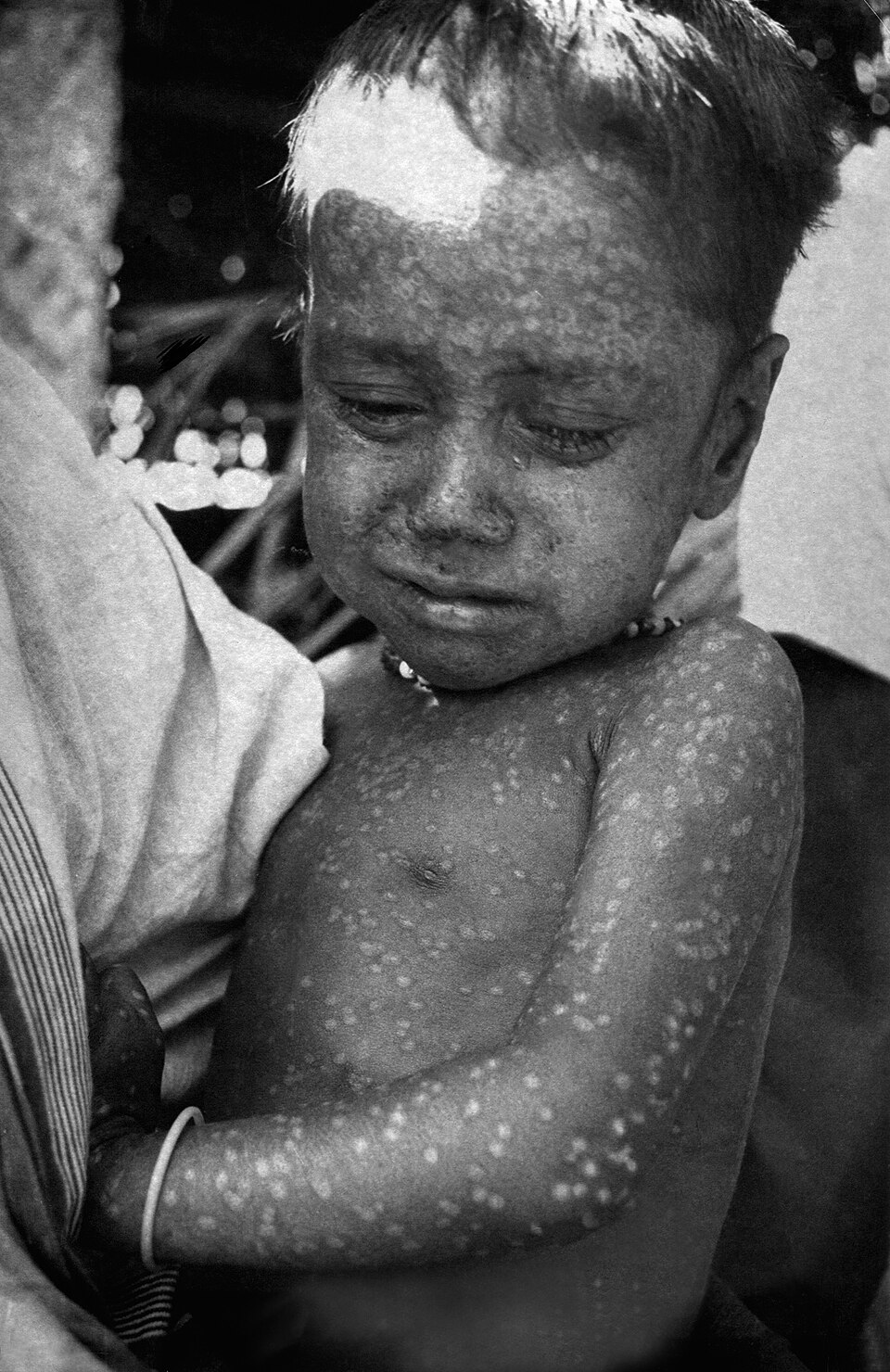
Smallpox killed up to 30 percent of those it infected, about 3 in 10 on average, and left survivors scarred, sometimes blind. In 1967 the disease was endemic in 33 countries with 1.2 billion people, causing 10 to 15 million cases a year, fewer than 5 percent of them reported. Vaccination had been available since Edward Jenner's work in 1796, but mass campaigns alone had not reached everyone in endemic regions. The disease persisted in South Asia, sub-Saharan Africa, and parts of South America despite decades of vaccination programs.
The WHO's Intensified Smallpox Eradication Programme began in 1967 under Donald Henderson, an American epidemiologist from the CDC who took charge in October 1966. The program began with mass vaccination, but after Bill Foege, working in eastern Nigeria, showed that surveillance and containment worked far better, Henderson adopted it: find every case, isolate the patient, and vaccinate all contacts in a ring around the outbreak. This approach was more feasible in resource-limited settings than attempting population-wide coverage. Heat-stable freeze-dried vaccine and the bifurcated needle, invented by Benjamin Rubin of Wyeth Laboratories, cut training time and the amount of vaccine needed.
The campaign progressed continent by continent. Smallpox was gone from South America by 1971. In late 1975 a three-year-old Bangladeshi girl, Rahima Banu, became the last person to catch variola major naturally. The last cases were in the Horn of Africa, where variola minor, the less lethal strain, persisted. Ali Maow Maalin, a hospital cook in Merca, Somalia, developed the last naturally acquired case in October 1977. He survived. A two-year global surveillance period followed to confirm there were no hidden transmission chains.
The Global Commission for the Certification of Smallpox Eradication, scientists from 19 nations chaired by virologist Frank Fenner, certified eradication in December 1979, and the World Health Assembly declared it on May 8, 1980. The declaration ended routine smallpox vaccination in most countries. Live variola virus is kept in two authorized repositories, at the CDC in Atlanta and the VECTOR institute in Koltsovo, Russia, under WHO oversight. No other human infectious disease has been eradicated since.
The campaign led directly to the WHO Expanded Programme on Immunization and, through it, to the polio eradication program; more than 150,000 health workers took part, and in India alone field staff made more than a billion house visits. Henderson later directed the Office of Public Health Preparedness at the US Department of Health and Human Services and died on August 19, 2016.
Keep exploring
 Read next · built on
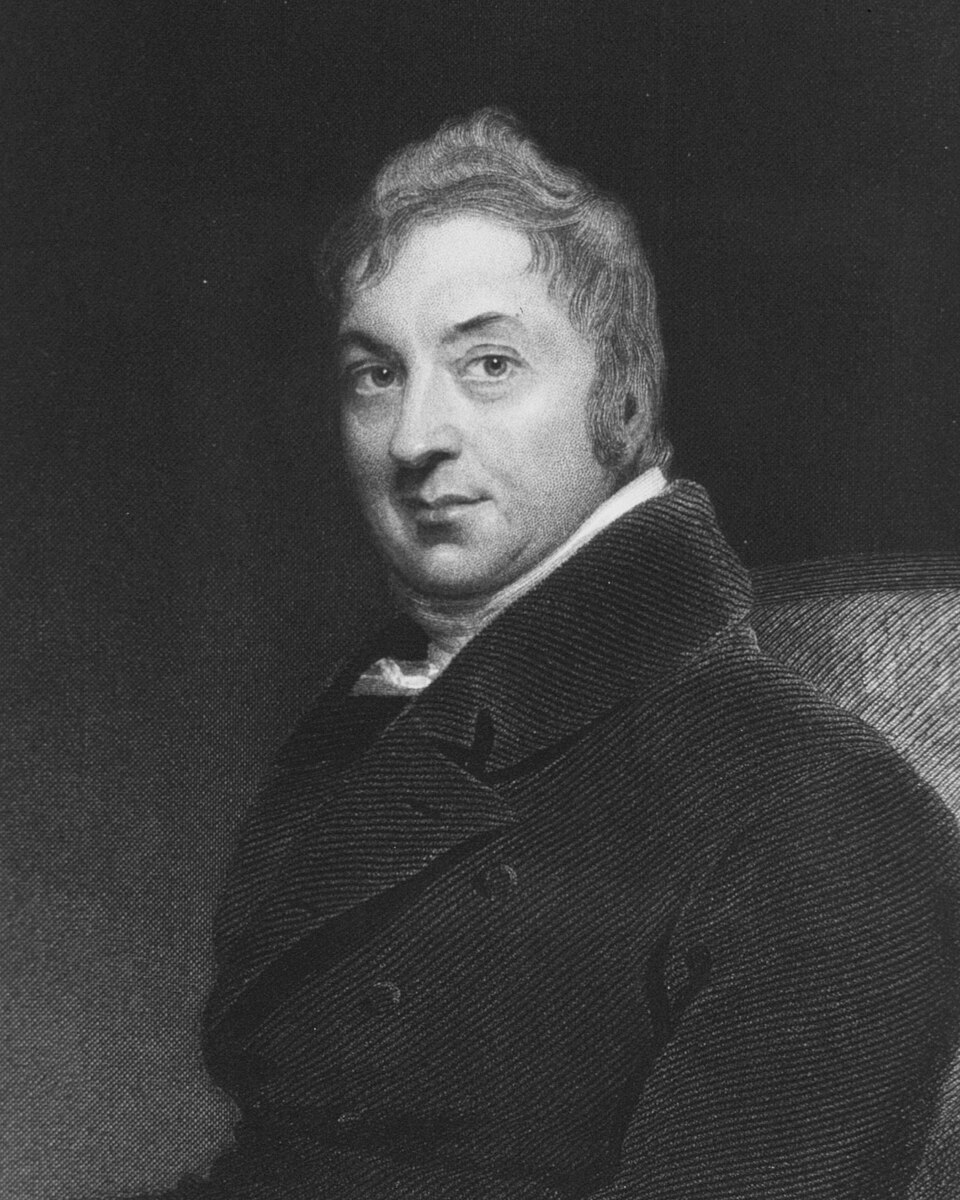
Jenner's smallpox vaccination (cowpox inoculation) (1796)
Vaccination had been available since Jenner's work in 1796, but it took the eradication campaign to finish the job. Jenner's entry shows the boy he protected with cowpox, the first systematic test of vaccination.
Read this moment
Read next · built on
Jenner's smallpox vaccination (cowpox inoculation) (1796)
Vaccination had been available since Jenner's work in 1796, but it took the eradication campaign to finish the job. Jenner's entry shows the boy he protected with cowpox, the first systematic test of vaccination.
Read this moment
 Today on The Clinical Times
Florida dengue outbreak appears to be largest in continental U.S. in decades
Florida has reported more than 250 locally acquired dengue cases this year, with most in Hillsborough County, according to state health officials.
Read today’s top stories
Today on The Clinical Times
Florida dengue outbreak appears to be largest in continental U.S. in decades
Florida has reported more than 250 locally acquired dengue cases this year, with most in Hillsborough County, according to state health officials.
Read today’s top stories
All 526 moments in the history of medicine. This one is in chapter 6, Trials, scanners and rights
Connected moments
How this moment links to others in the history of medicine, and what you will find in each.
-
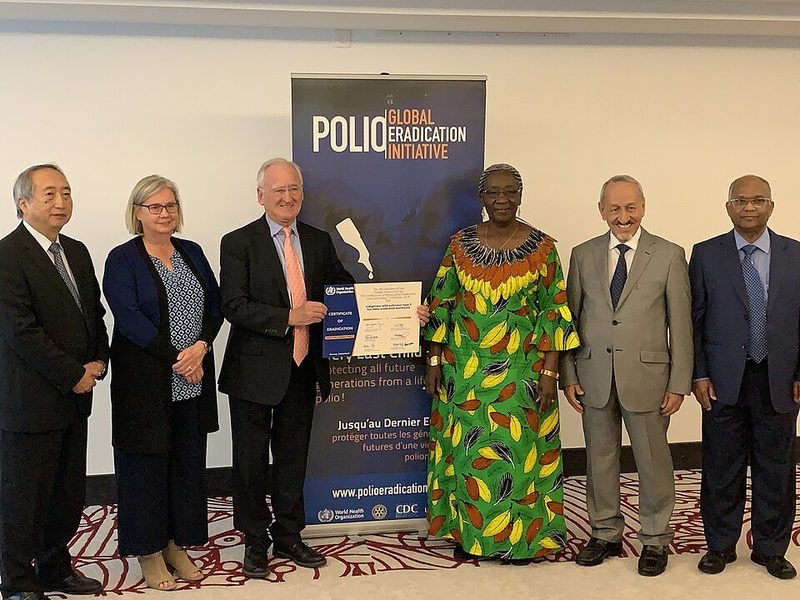 Led to2019Eradication of wild poliovirus type 3The smallpox campaign led through EPI to the polio eradication program. The type 3 entry shows the 2019 certification that one of the three wild polioviruses was gone.Read this moment
-
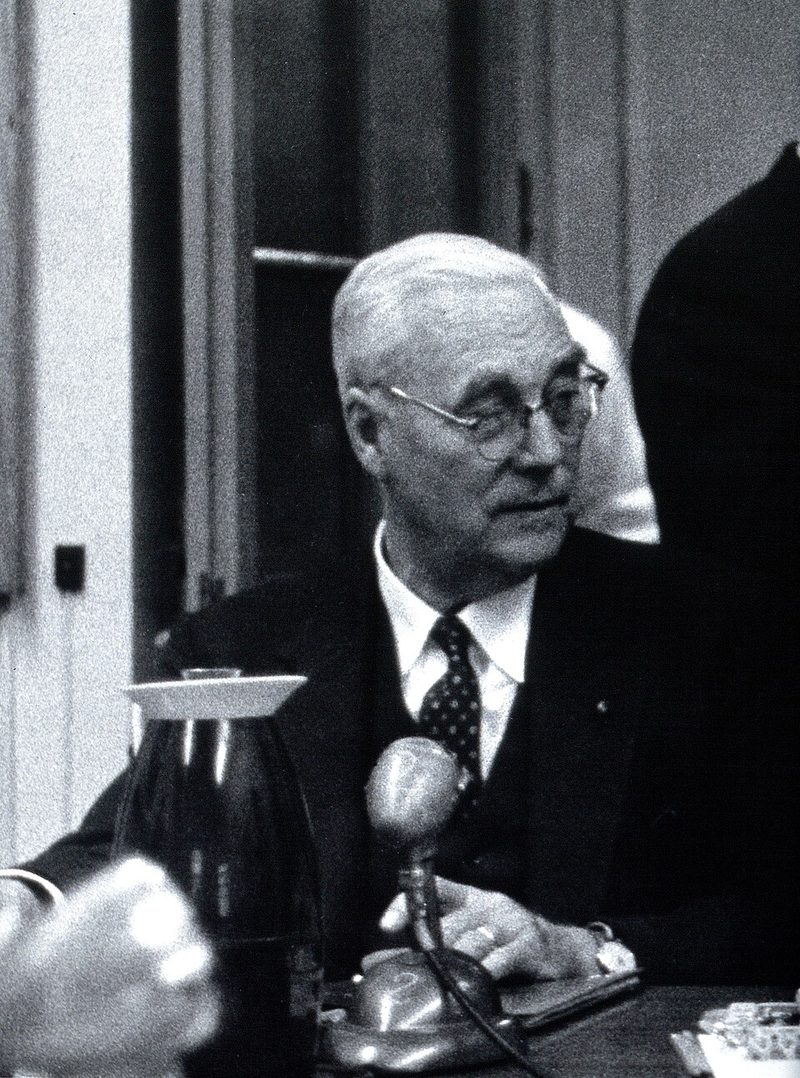 Same disease or problem1955The Global Malaria Eradication ProgrammeBoth tried to eradicate a disease worldwide, and only smallpox succeeded. The malaria entry shows how insecticide and drug resistance forced WHO back to control in 1969.Read this moment
-
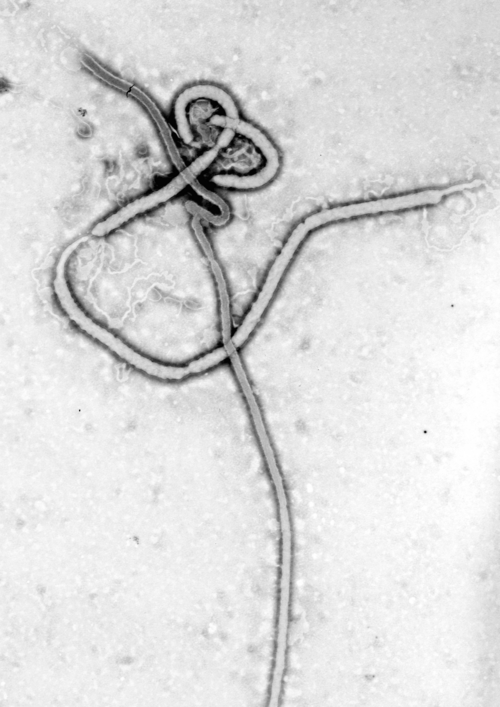 Same disease or problem2017Ervebo (rVSV-ZEBOV) Ebola Vaccine: Ebola Ça Suffit! Ring Vaccination TrialRing vaccination, finding each case and vaccinating its contacts, ended smallpox and was later used to test an Ebola vaccine. The Ervebo entry shows no cases from ten days after a single dose.Read this moment