Public Health
2005
WHO Framework Convention on Tobacco Control (FCTC) enters into force
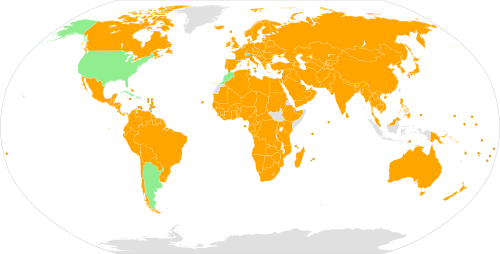
The first treaty negotiated under WHO authority, in force since 27 February 2005. It set binding obligations on advertising bans, smoke-free laws and pack warnings, recommended tax measures, and became one of the most widely embraced treaties in United Nations history.
Key people
- Gro Harlem Brundtland
- WHO Director-General from 1998; secured the negotiating mandate for the treaty
- Douglas Bettcher
- Member of the Framework Convention team in WHO's Tobacco Free Initiative during the negotiations
- Judith Mackay
- Hong Kong-based tobacco control advocate
- Derek Yach
- WHO official during the treaty's development; wrote a 2014 personal account of its origins
Source
Tobacco control in the twentieth century was largely a domestic affair. Individual countries enacted taxes, advertising restrictions, and warning labels on their own timelines, with widely varying stringency and enforcement. The tobacco industry exploited this patchwork by relocating marketing, production, and lobbying activities across borders. By the late 1990s, health officials at WHO had concluded that another nonbinding resolution would not be enough and that a binding international instrument was needed.
Gro Harlem Brundtland, who became WHO Director-General in 1998, made the treaty her signature initiative and set up the Tobacco Free Initiative in her own cabinet. In May 1999 the World Health Assembly authorized negotiations in resolution WHA52.18, and Douglas Bettcher worked on the treaty in the initiative's Framework Convention team. The Intergovernmental Negotiating Body first met in Geneva in October 2000 and held six sessions before 2003, with industry lobbying groups working to water down provisions at nearly every stage. The World Health Assembly adopted the text unanimously on 21 May 2003, and the FCTC entered into force on 27 February 2005, 90 days after the fortieth country ratified it.
The treaty's core obligations were binding on ratifying states. Parties had to undertake a comprehensive ban on tobacco advertising, promotion and sponsorship; require health warnings covering at least 30% of the main display areas of packs, and preferably 50% or more, with pictures allowed but not required; and protect people from tobacco smoke in indoor workplaces and public places. Tax measures were only recommended. Tobacco caused about 100 million deaths in the twentieth century and was predicted to cause a billion in the twenty-first. By 2017 the treaty had 180 parties.
Implementation was uneven. Enforcement depended entirely on domestic political will, and countries with close ties to tobacco agriculture or state tobacco companies often moved slowly on advertising bans and tax increases. A 2017 study of 126 countries linked each additional treaty measure implemented at the highest level to a 1.6-point fall in smoking prevalence between 2005 and 2015. The treaty also created a legal architecture that individual countries cited when enacting measures that exceeded the minimum standards.
In December 2012 Australia became the first country to fully implement plain packaging, stripping brand colors and logos from cigarette packs and retaining only standardized typography and graphic warnings. Philip Morris Asia challenged the law in 2011 under Australia's investment treaty with Hong Kong, and four countries challenged it at the World Trade Organization, where a panel upheld it in 2018. Several countries, including the United Kingdom, France, and New Zealand, adopted similar measures in subsequent years. The FCTC was the only treaty negotiated under Article 19 of the WHO Constitution until May 2025, when the World Health Assembly adopted the WHO Pandemic Agreement.
Keep exploring
 Read next · built on
Founding of the World Health Organization (1948)
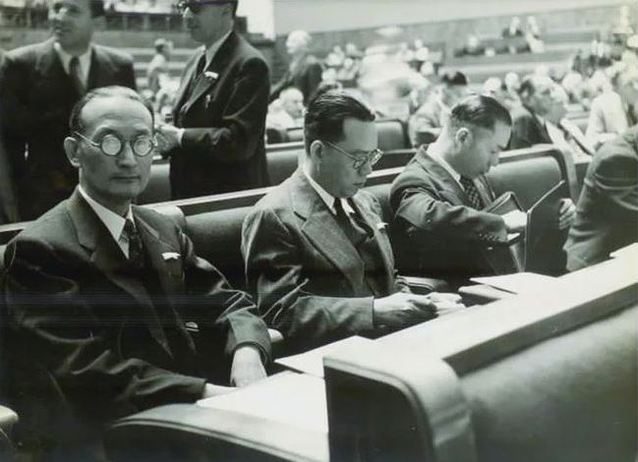
The FCTC was the first treaty negotiated under the WHO constitution. The WHO entry shows how that constitution came into force in 1948 and defined health broadly.
Read this moment
Read next · built on
Founding of the World Health Organization (1948)
The FCTC was the first treaty negotiated under the WHO constitution. The WHO entry shows how that constitution came into force in 1948 and defined health broadly.
Read this moment
 Today on The Clinical Times
Florida dengue outbreak appears to be largest in continental U.S. in decades
Florida has reported more than 250 locally acquired dengue cases this year, with most in Hillsborough County, according to state health officials.
Read today’s top stories
Today on The Clinical Times
Florida dengue outbreak appears to be largest in continental U.S. in decades
Florida has reported more than 250 locally acquired dengue cases this year, with most in Hillsborough County, according to state health officials.
Read today’s top stories
All 526 moments in the history of medicine. This one is in chapter 7, Genes and pandemics
Connected moments
How this moment links to others in the history of medicine, and what you will find in each.
- Same disease or problem1998The tobacco Master Settlement AgreementBoth restricted tobacco marketing, the settlement in one country and the treaty across 180. The settlement entry shows US cigarette makers paying the states and ending youth marketing.Read this moment
-
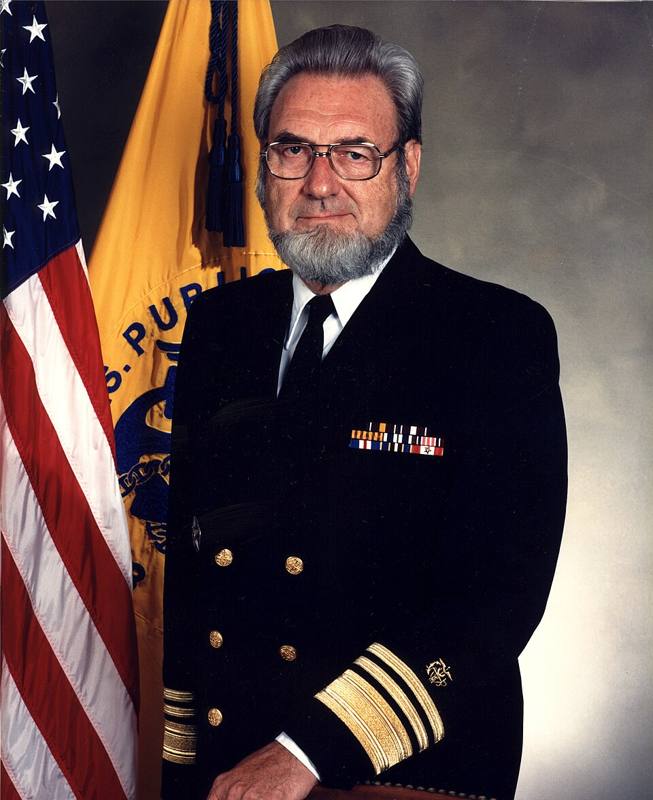 Same disease or problem1986Surgeon General's report on involuntary smokingThe treaty required protection from smoke in indoor workplaces and public places, the harm Koop's report established. The 1986 entry shows secondhand smoke causing lung cancer in nonsmokers.Read this moment
- Same disease or problem1851The first International Sanitary ConferenceBoth tried to make nations act together on a health threat that crossed borders. The 1851 entry shows the first international health conference, which achieved little but began a long series.Read this moment