Infectious Disease
2020
BNT162b2 mRNA COVID-19 Vaccine (Pfizer-BioNTech)
In a 43,548-person trial, two doses of the mRNA vaccine BNT162b2 cut symptomatic COVID-19 by 95% (8 vaccine vs 162 placebo cases). It was the first authorized COVID-19 vaccine and first efficacy proof for the mRNA platform.
Key people
- Ugur Sahin
- BioNTech CEO and lead vaccine designer
- Katalin Kariko
- BioNTech SVP; developed modified mRNA to reduce immunogenicity
- Drew Weissman
- Penn immunologist; co-developed modified nucleoside mRNA technology
- Albert Bourla
- Pfizer CEO; oversaw manufacturing scale-up and distribution
- Ozlem Tureci
- BioNTech CMO and co-founder; oversaw clinical development of BNT162b2
Source
On January 10, 2020, a group of Chinese scientists posted the complete genetic sequence of a novel coronavirus to an international database. Two weeks later, after reading a report in The Lancet describing human-to-human transmission, Ugur Sahin, the CEO of BioNTech, decided to pursue a vaccine and identified the spike protein as its target. That decision could move quickly into design work because mRNA vaccine development does not require growing virus in culture or manufacturing recombinant protein: once you have the genetic sequence of your antigen, you can encode it in mRNA and begin designing lipid nanoparticle delivery within days. BioNTech had been developing its mRNA platform for cancer immunotherapy and had never brought an infectious-disease vaccine to a phase 3 trial.
The foundational technology underlying BNT162b2 owed a great deal to work done years earlier by Katalin Kariko and Drew Weissman at the University of Pennsylvania. Kariko, who spent years at Penn pursuing mRNA therapeutics without major institutional support, and Weissman showed that substituting modified nucleosides for uridine in mRNA dramatically reduced the innate immune response that would otherwise degrade the molecule before it could be translated. That modification made it possible to dose mRNA repeatedly in humans, a prerequisite for a vaccine requiring two doses. BioNTech licensed the technology and Kariko later joined the company as Senior Vice President.
Pfizer agreed to co-develop BNT162b2 with BioNTech in March 2020 and signed a global collaboration agreement in April, providing the manufacturing and distribution infrastructure BioNTech did not have at scale. The phase 3 trial enrolled 43,548 participants across six countries, randomizing them to two doses of the vaccine or placebo given 21 days apart. Participants were followed for symptomatic COVID-19 confirmed by PCR. The primary efficacy analysis, conducted after 170 COVID-19 cases had accrued, showed 95% efficacy: 8 cases in the vaccine group versus 162 in the placebo group.
The FDA issued an Emergency Use Authorization on December 11, 2020, about eleven months after the viral sequence was published. A $1.95 billion advance purchase agreement that Pfizer and BioNTech signed with the U.S. government in July 2020, under the Operation Warp Speed initiative, guaranteed a market for 100 million doses without funding the companies' research or manufacturing; Pfizer financed that scale-up itself. Albert Bourla, Pfizer's CEO, committed the company to manufacturing hundreds of millions of doses at its own financial risk before authorization was granted. First doses were administered in the United States on December 14, 2020.
BNT162b2 was the first mRNA vaccine ever authorized for human use, after decades of platform development that had not previously yielded a licensed product. The authorization brought immediate and intensive scrutiny of mRNA technology across infectious disease applications, and programs for RSV, influenza, and cancer neoantigen vaccines that had been advancing slowly picked up speed. The regulatory precedent set for an mRNA vaccine under emergency conditions also shaped how subsequent mRNA products for non-COVID indications moved through agency review.
Keep exploring
 Read next · built on
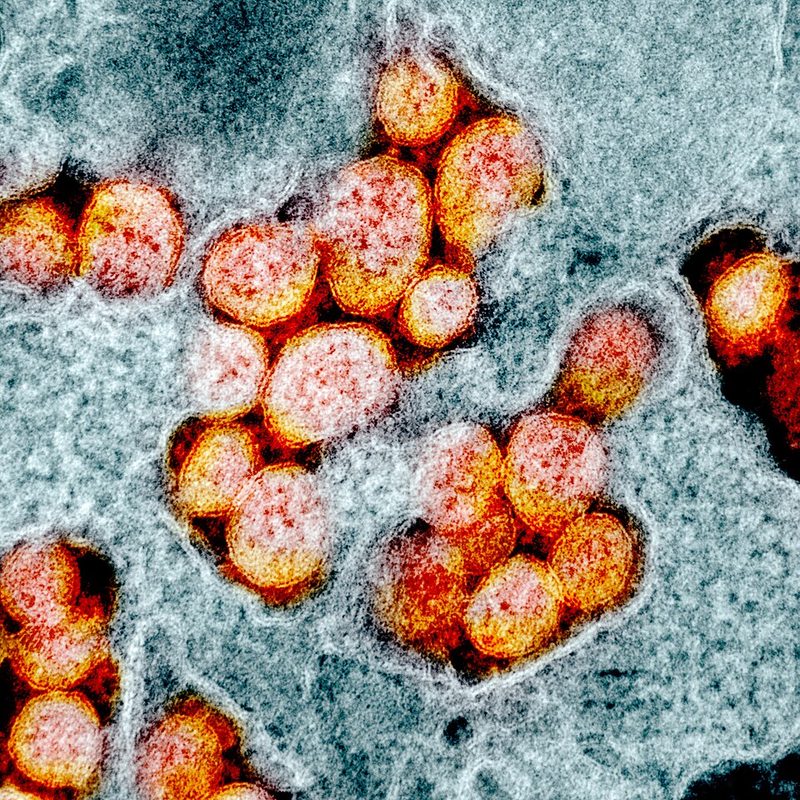
Emergence of SARS-CoV-2 and the COVID-19 pandemic (2020)
Work on the vaccine began once the new coronavirus's genetic sequence was posted in January 2020. The emergence entry shows the virus identified in Wuhan and the pandemic that followed.
Read this moment
Read next · built on
Emergence of SARS-CoV-2 and the COVID-19 pandemic (2020)
Work on the vaccine began once the new coronavirus's genetic sequence was posted in January 2020. The emergence entry shows the virus identified in Wuhan and the pandemic that followed.
Read this moment
 Today on The Clinical Times
Florida dengue outbreak appears to be largest in continental U.S. in decades
Florida has reported more than 250 locally acquired dengue cases this year, with most in Hillsborough County, according to state health officials.
Read today’s top stories
Today on The Clinical Times
Florida dengue outbreak appears to be largest in continental U.S. in decades
Florida has reported more than 250 locally acquired dengue cases this year, with most in Hillsborough County, according to state health officials.
Read today’s top stories
All 526 moments in the history of medicine. This one is in chapter 7, Genes and pandemics
Connected moments
How this moment links to others in the history of medicine, and what you will find in each.
-
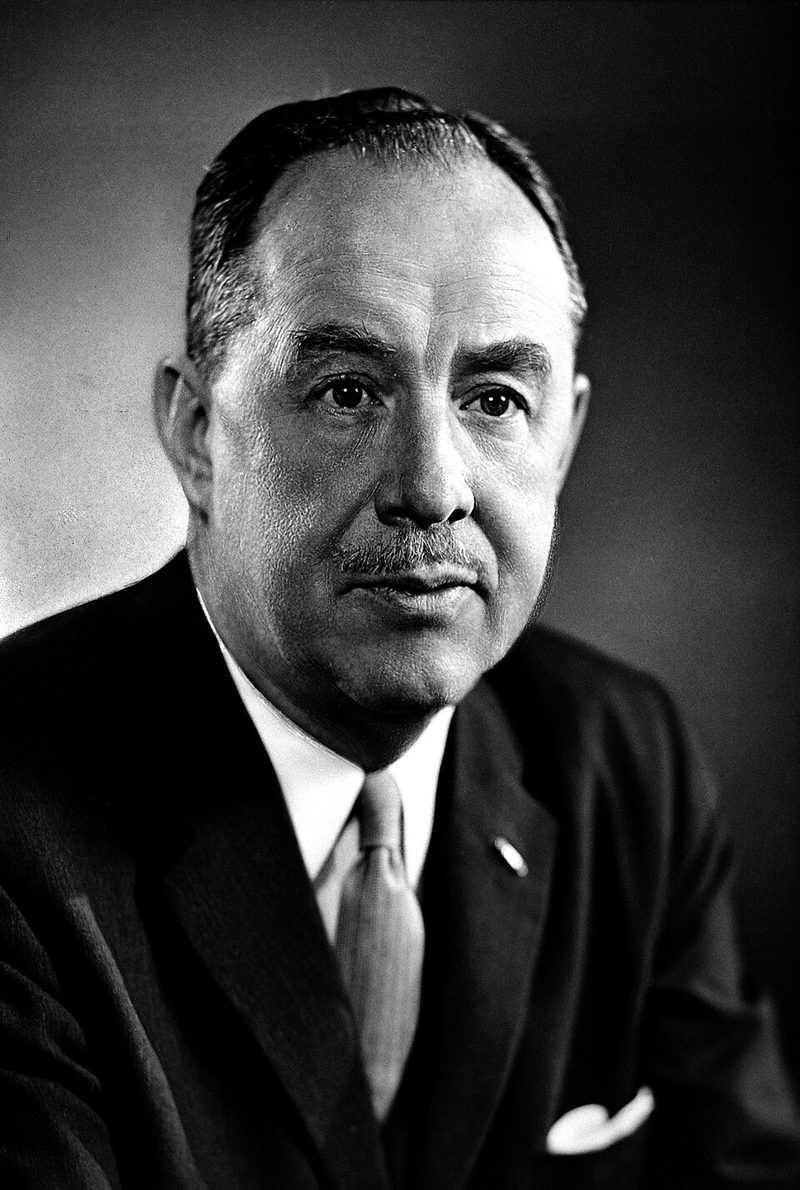 Same disease or problem1955Salk Inactivated Polio Vaccine Field Trial (Francis Report)Both were huge vaccine trials that led straight to authorization and mass vaccination. The Salk entry shows 1.8 million children in the trial and the vaccine licensed the afternoon of the report.Read this moment
-
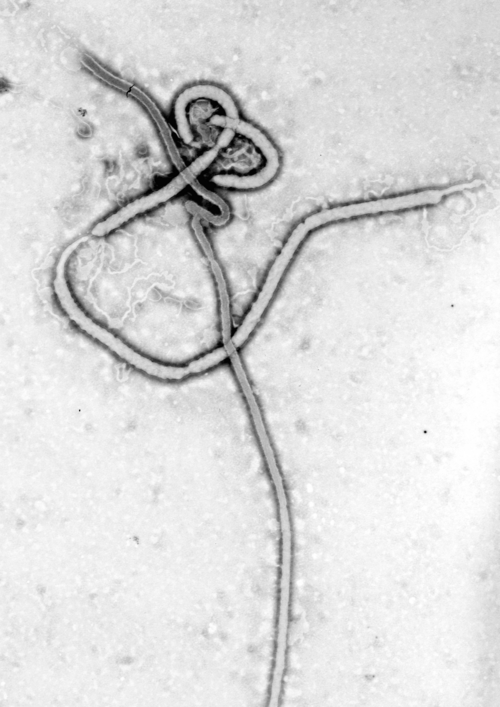 Same disease or problem2017Ervebo (rVSV-ZEBOV) Ebola Vaccine: Ebola Ça Suffit! Ring Vaccination TrialBoth raised hopes for vaccine platforms that can be built fast when a new outbreak strikes. The Ervebo entry shows an Ebola vaccine proven during an epidemic.Read this moment
-
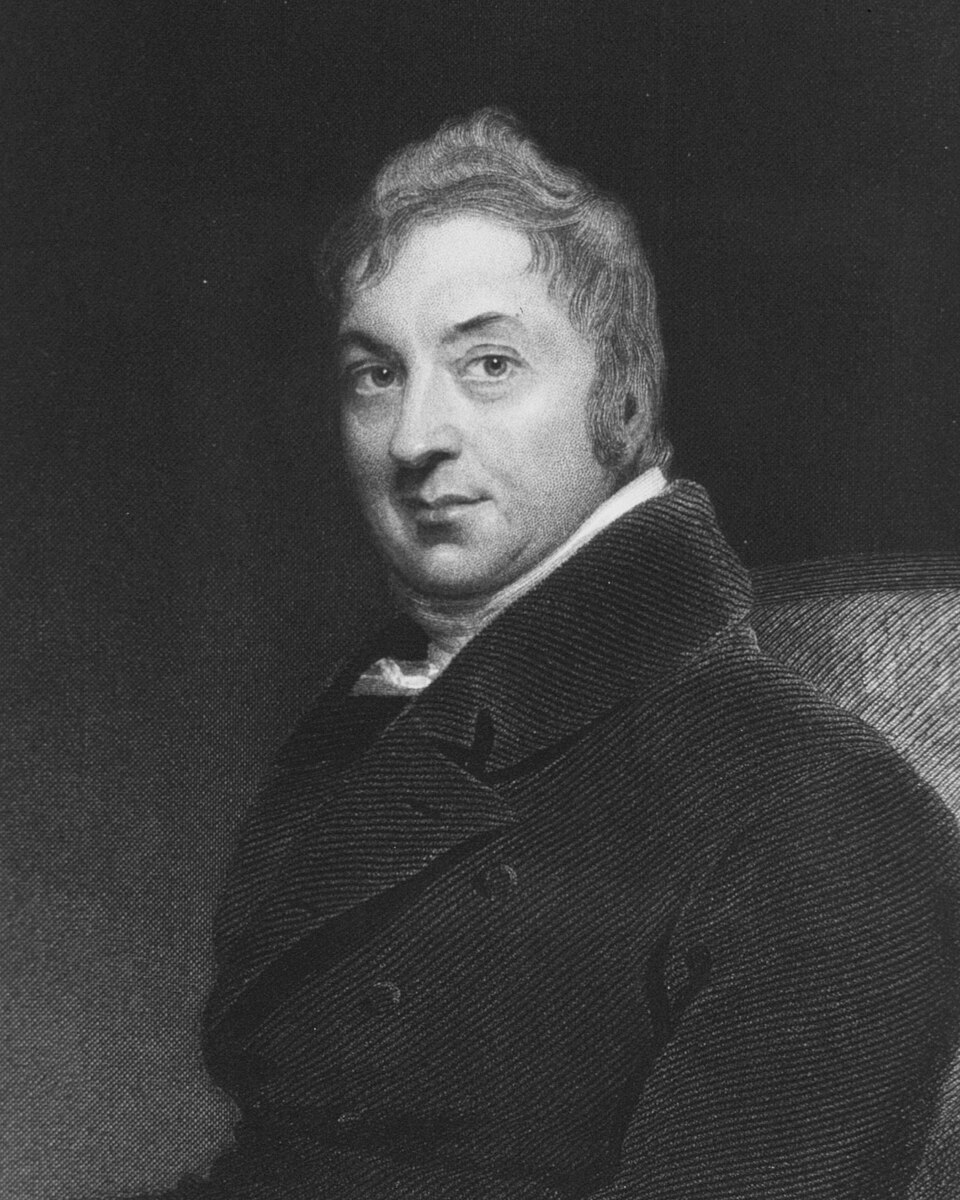 Same disease or problem1796Jenner's smallpox vaccination (cowpox inoculation)Jenner's cowpox began vaccination, and the mRNA vaccine was the first of a new kind ever authorized. Jenner's entry shows the boy he protected in 1796.Read this moment