Infectious Disease
2025
Gepotidacin (Blujepa), first new oral antibiotic class in decades
First-in-class oral antibiotic with a new dual mechanism, approved in 2025 for uncomplicated urinary tract infection and then uncomplicated gonorrhea. It reached the gonorrhea approval one day ahead of zoliflodacin, a second new antibiotic; together the two were the first new oral drug classes for gonorrhea in over three decades.

Key people
- Jonathan Zenilman
- Johns Hopkins STI epidemiologist; gonorrhea resistance surveillance contributor
Source
Antibiotic resistance had been eroding the reliability of standard regimens for uncomplicated urinary tract infection and gonorrhea for years before gepotidacin reached approval. Fluoroquinolone resistance in E. coli, the dominant UTI pathogen, had risen high enough that many guidelines had already downgraded the class from first-line use in uncomplicated cystitis. Neisseria gonorrhoeae presented an even more urgent problem: after fluoroquinolone resistance rendered that class obsolete for gonorrhea around 2007, ceftriaxone became the last reliable option, and strains with reduced ceftriaxone susceptibility had been documented across multiple continents. The pipeline of new gonorrhea therapeutics had been nearly empty for three decades.
Gepotidacin belongs to a new chemical class, the triazaacenaphthylenes, and works by inhibiting bacterial type IIA topoisomerases through a binding site distinct from the one targeted by fluoroquinolones. Because the mechanism operates at a different location on the enzyme, existing fluoroquinolone resistance mutations, including the common gyrA and parC substitutions, do not confer resistance to gepotidacin. That dual topoisomerase inhibition, hitting both DNA gyrase and topoisomerase IV simultaneously at a new site, raises the barrier to de novo resistance development. GSK developed the drug through a public-private partnership with the U.S. Biomedical Advanced Research and Development Authority and the Defense Threat Reduction Agency, dating to 2013.
The EAGLE-2 and EAGLE-3 phase 3 trials for uncomplicated UTI compared gepotidacin against nitrofurantoin and demonstrated non-inferiority; the FDA approved gepotidacin under the brand name Blujepa in March 2025 for uncomplicated UTIs caused by susceptible organisms. A separate phase 3 trial for uncomplicated gonorrhea found a 93% cure rate with gepotidacin, compared with 91% for standard ceftriaxone-based treatment, and the FDA approved the gonorrhea indication in December 2025.
The gonorrhea indication, cleared one day before the FDA approved zoliflodacin (Nuzolvence), a second new antibiotic for the same infection, made gepotidacin one of the first new oral antibiotic classes for gonorrhea in over three decades. Infectious disease specialists had been monitoring the situation closely: as of the early 2020s, dual therapy with ceftriaxone plus azithromycin had already been modified to ceftriaxone alone after azithromycin resistance rose, and the field was functioning with a single-drug option backed by a narrowing spectrum. Gepotidacin's activity against fluoroquinolone-resistant N. gonorrhoeae was the specific property that made it clinically relevant to that gap.
Gepotidacin's spectrum does not cover the full range of organisms encountered in complicated UTI or upper tract infections, so its role in clinical practice is relatively specific: uncomplicated cystitis in settings where resistance limits the standard options, and gonorrhea where fluoroquinolone resistance is documented or suspected. For infectious disease physicians managing urogenital pathogens with resistance, the approval added a mechanistically distinct option that had not existed in oral form for a generation.
Keep exploring
 Read next · same disease or problem
Prontosil and the Sulfonamide Drugs (1935)
Prontosil began the antibacterial drug era in 1935, and gepotidacin opened a new oral class ninety years later. The Prontosil entry shows the red dye that introduced the sulfa drugs.
Read this moment
Read next · same disease or problem
Prontosil and the Sulfonamide Drugs (1935)
Prontosil began the antibacterial drug era in 1935, and gepotidacin opened a new oral class ninety years later. The Prontosil entry shows the red dye that introduced the sulfa drugs.
Read this moment
 Today on The Clinical Times
Florida dengue outbreak appears to be largest in continental U.S. in decades
Florida has reported more than 250 locally acquired dengue cases this year, with most in Hillsborough County, according to state health officials.
Read today’s top stories
Today on The Clinical Times
Florida dengue outbreak appears to be largest in continental U.S. in decades
Florida has reported more than 250 locally acquired dengue cases this year, with most in Hillsborough County, according to state health officials.
Read today’s top stories
All 526 moments in the history of medicine. This one is in chapter 7, Genes and pandemics
Connected moments
How this moment links to others in the history of medicine, and what you will find in each.
- Built on2015WHO Global Action Plan on Antimicrobial ResistanceThe WHO plan called for new antibiotics as resistance spread, and gepotidacin works where fluoroquinolone resistance has taken hold. The plan's entry shows 1.27 million deaths caused by resistant bacteria in 2019.Read this moment
-
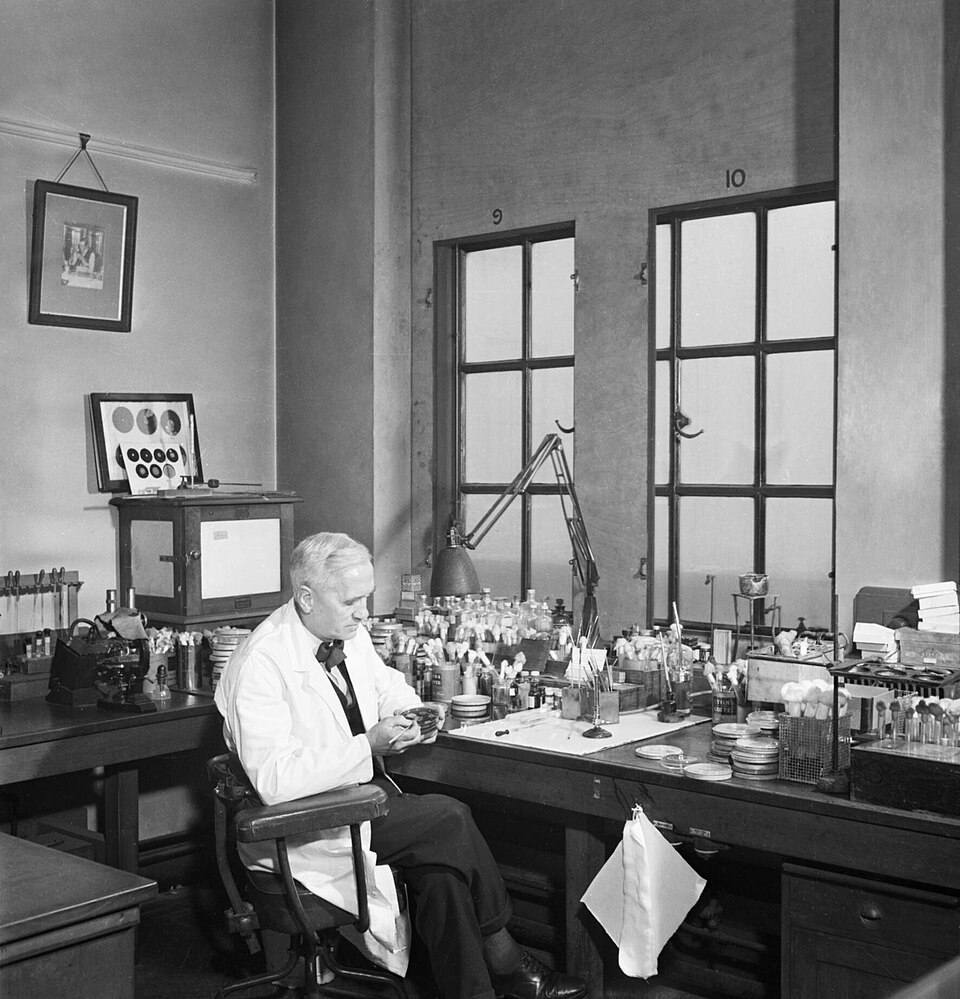 Same disease or problem1928Fleming's discovery of penicillinGepotidacin arrived because resistance was wearing out the antibiotics that followed penicillin. Fleming's entry shows the mold plate that led to the first antibiotic.Read this moment
-
 Same disease or problem2010The Guatemala STD experiments exposedGonorrhea, which gepotidacin now treats, was one of the infections researchers deliberately gave people in Guatemala while testing prevention. The Guatemala entry shows those experiments exposed in 2010.Read this moment