Infectious Disease
2025
Lenacapavir (Yeztugo), twice-yearly HIV prevention
FDA approval in June 2025 made lenacapavir the first twice-yearly injectable for HIV pre-exposure prophylaxis. It prevented every infection among women in PURPOSE 1 and, in PURPOSE 2, cut infections by 89 percent compared with daily pills, addressing the adherence gap of daily PrEP.

Key people
- Linda-Gail Bekker
- Co-principal investigator, PURPOSE 1; Desmond Tutu HIV Centre
- Colleen Kelley
- Co-principal investigator, PURPOSE 2; Emory University
- Moupali Das
- Gilead Sciences lead for lenacapavir PrEP clinical program
- Mitchell Warren
- AVAC executive director; global PrEP access advocacy
Source
For the first two decades after highly active antiretroviral therapy made HIV a manageable chronic disease, prevention lagged well behind treatment. Daily oral PrEP with emtricitabine-tenofovir disoproxil fumarate, approved by the FDA in 2012, worked when taken consistently, but consistency was exactly what studies repeatedly failed to achieve in the populations carrying the heaviest transmission burden. Adherence rates in young women in sub-Saharan Africa and in men who have sex with men in high-incidence settings hovered well below the threshold needed for reliable protection. The structural and behavioral barriers were well documented; what was lacking was a drug that removed adherence from the equation almost entirely.
Lenacapavir addressed that gap by exploiting its mechanism. As an HIV capsid inhibitor, it disrupts multiple stages of the viral replication cycle and has a half-life long enough to support subcutaneous dosing every six months. Gilead Sciences developed two parallel Phase 3 trials under the PURPOSE program to test it as PrEP. PURPOSE 1, led by Linda-Gail Bekker at the Desmond Tutu HIV Centre in Cape Town and colleagues across southern and eastern Africa, enrolled cisgender women in a region where HIV incidence among young women is among the highest recorded anywhere. PURPOSE 2, co-led by Colleen Kelley at Emory University, enrolled men who have sex with men, transgender women, transgender men, and gender non-binary individuals across sites in the United States, Latin America, Europe, and South Africa.
The results from PURPOSE 1 were striking enough that the trial's independent data and safety monitoring board recommended unblinding early. Not one of 2,134 participants receiving lenacapavir acquired HIV, compared with 16 infections among 1,068 on daily F/TDF and 39 infections among 2,136 on daily F/TAF. In PURPOSE 2, lenacapavir reduced HIV incidence by 89% relative to daily F/TDF, a drug already accepted as highly effective. Measuring a new agent against an active comparator rather than placebo is a more demanding test, and the size of the observed difference was unusual by the standards of randomized controlled trials in infectious disease prevention.
FDA approval of lenacapavir for PrEP came on June 18, 2025, under the brand name Yeztugo, making it the first twice-yearly injectable option available for HIV prevention. Regulatory review moved relatively quickly given the strength of the efficacy signal and the clear unmet need. Moupali Das of Gilead Sciences, a co-author on the PURPOSE 1 publication, led the clinical development program through approval. The agency's decision covered the broad at-risk population studied across both trials, not a narrowed indication.
Approval was followed immediately by a predictable debate about access. The PURPOSE 1 population, cisgender women in sub-Saharan Africa, stood to benefit most, yet they were also the group least likely to afford a drug priced for high-income markets. Gilead announced tiered pricing agreements intended to close that gap, but the history of prior HIV prevention tools, including oral PrEP itself, showed a persistent distance between licensing deals and actual dispensing at the clinic level. Manufacturing capacity, cold-chain logistics, and health system delivery infrastructure all constrained the pace of rollout in high-burden settings. The efficacy demonstrated in the trials was a ceiling; the protection delivered to living populations would depend on implementation.
Keep exploring
 Read next · built on
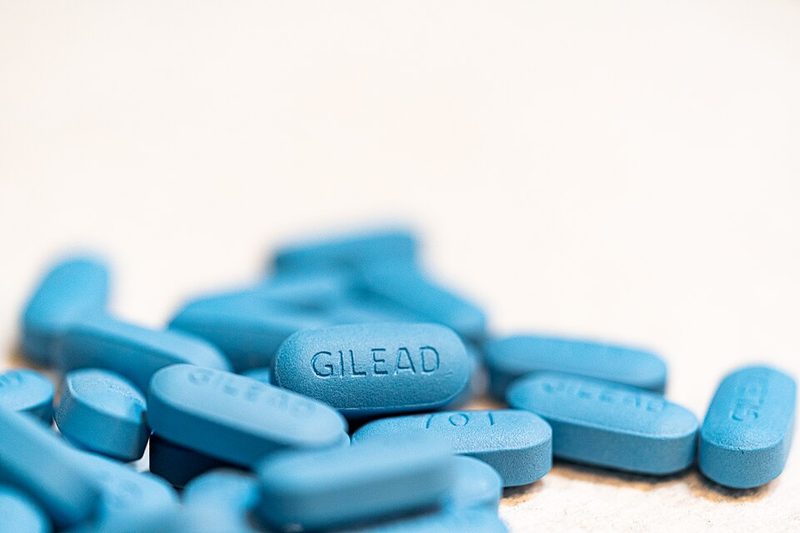
Oral pre-exposure prophylaxis (PrEP) against HIV (2012)
Daily PrEP worked only when taken, and lenacapavir replaced the pill with a shot every six months. The PrEP entry shows protection of 92 percent when the drug was detectable.
Read this moment
Read next · built on
Oral pre-exposure prophylaxis (PrEP) against HIV (2012)
Daily PrEP worked only when taken, and lenacapavir replaced the pill with a shot every six months. The PrEP entry shows protection of 92 percent when the drug was detectable.
Read this moment
 Today on The Clinical Times
Florida dengue outbreak appears to be largest in continental U.S. in decades
Florida has reported more than 250 locally acquired dengue cases this year, with most in Hillsborough County, according to state health officials.
Read today’s top stories
Today on The Clinical Times
Florida dengue outbreak appears to be largest in continental U.S. in decades
Florida has reported more than 250 locally acquired dengue cases this year, with most in Hillsborough County, according to state health officials.
Read today’s top stories
All 526 moments in the history of medicine. This one is in chapter 7, Genes and pandemics
Connected moments
How this moment links to others in the history of medicine, and what you will find in each.
-
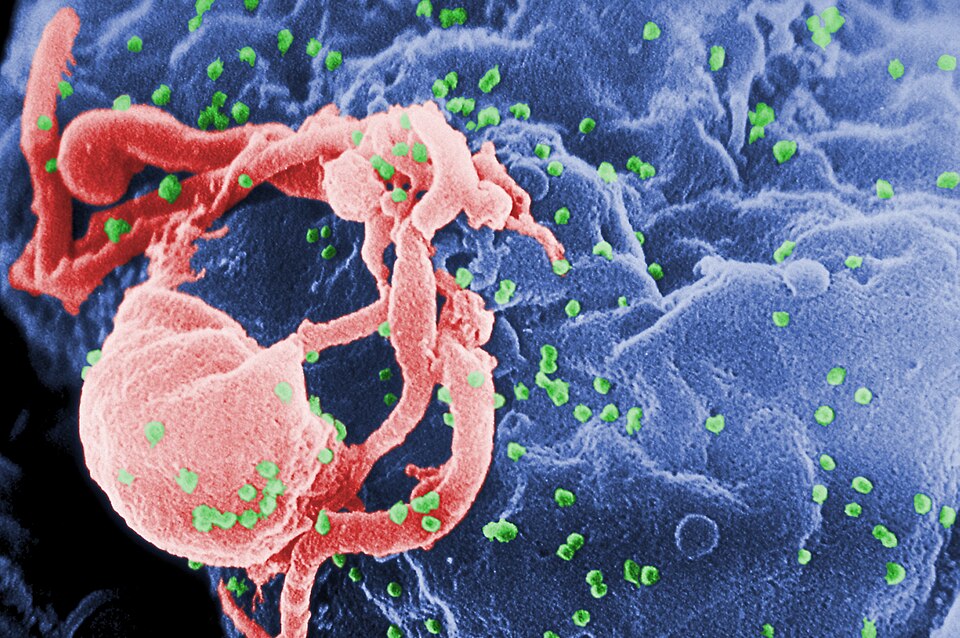 Same disease or problem1996Highly Active Antiretroviral Therapy (HAART) and the Vancouver protease-inhibitor combination eraCombination therapy made HIV a manageable disease, and lenacapavir brought prevention closer to that success. The HAART entry shows three-drug regimens pushing HIV below detection.Read this moment
-
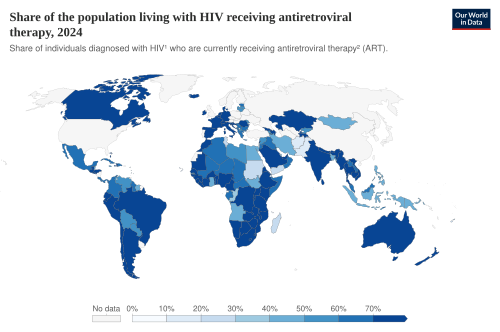 Same disease or problem2011HPTN 052: Antiretroviral Therapy as HIV PreventionBoth used antiretroviral drugs to stop new infections, HPTN 052 by treating partners and lenacapavir by protecting people at risk. HPTN 052 shows transmission cut by 96 percent.Read this moment
- Same disease or problem1994ACTG 076 perinatal HIV prevention trialACTG 076 first proved an HIV drug could prevent infection, in newborns, and lenacapavir prevented every infection among women in PURPOSE 1. ACTG 076 shows transmission to babies cut by two thirds.Read this moment