Infectious Disease
2017
Ervebo (rVSV-ZEBOV) Ebola Vaccine: Ebola Ça Suffit! Ring Vaccination Trial
A ring-vaccination trial in Guinea found no Ebola cases beginning 10 days after a single dose of rVSV-ZEBOV. The vaccine, marketed as Ervebo, won FDA approval in December 2019, the first Ebola vaccine approved in the United States.
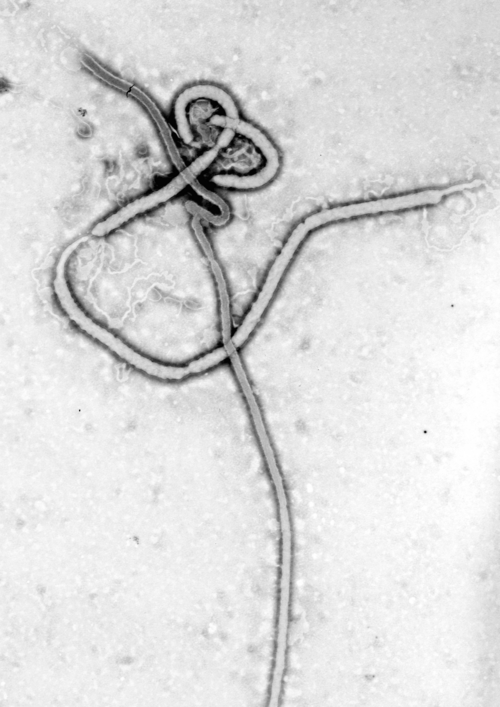
Key people
- Ana Maria Henao-Restrepo
- WHO lead investigator; designed the ring-vaccination trial protocol
- John Edmunds
- Epidemiologist; contributed to study design and data analysis
- Bertrand Draguez
- Medecins Sans Frontieres senior medical officer; supported field implementation
- Jean-Jacques Muyembe-Tamfum
- Virologist; directed DRC response to subsequent Kivu outbreak
Source
The 2014 to 2016 West Africa Ebola outbreak killed more than 11,000 people across Guinea, Liberia, and Sierra Leone, exposing the near-total absence of licensed vaccines or therapeutics for filovirus disease. Experimental vaccine candidates had been in preclinical development for years, primarily in response to biosecurity concerns rather than public health investment in endemic regions. When the outbreak began, rVSV-ZEBOV, a recombinant vesicular stomatitis virus engineered to express the Ebola Zaire surface glycoprotein, had been developed with Canadian government funding and was held by Merck. It had never been tested in a phase 3 efficacy trial in humans.
With transmission ongoing in Guinea in mid-2015, a consortium led by Ana Maria Henao-Restrepo of the World Health Organization designed a ring vaccination trial. The strategy, borrowed from the smallpox eradication campaigns of the 1970s, involved identifying every known contact and contact-of-contact of a confirmed Ebola case and vaccinating them as a cluster. Individual randomization was ruled out on both logistical and ethical grounds; instead, clusters were randomized to immediate or 21-day delayed vaccination. The trial enrolled at sites in the Boke, Coyah, and Forecariah prefectures of Guinea.
Among the 2,119 people vaccinated immediately, zero Ebola cases occurred beginning 10 days after vaccination. In the delayed vaccination clusters, 16 cases were recorded during the waiting period. The 10-day latency was built into the analysis to allow for the vaccine's incubation effect. John Edmunds at the London School of Hygiene and Tropical Medicine contributed to study design and data analysis, helping to calculate that the trial had achieved an estimated efficacy of 100%, with a 95% confidence interval of 68.9 to 100 that excluded zero. The delayed arm was subsequently offered immediate vaccination, eliminating the control comparison but protecting participants.
The FDA granted approval under the brand name Ervebo on December 19, 2019, a few weeks after the European Commission had already licensed it, making it the first Ebola vaccine approved in the United States. The platform was notable for its speed: a live attenuated recombinant viral vector could be manufactured and scaled more rapidly than inactivated or subunit vaccines, a property that influenced discussions about rapid-response vaccine design for future outbreak pathogens. The vaccine requires cold chain storage at minus 60 to minus 80 degrees Celsius, a logistical constraint that shaped deployment strategies in subsequent outbreaks.
During the 2018 to 2020 Kivu outbreak in the Democratic Republic of Congo, more than 300,000 doses of Ervebo were administered using ring vaccination and geographic targeting. The outbreak eventually caused more than 2,200 deaths, prolonged by active conflict and community distrust rather than vaccine failure. The infrastructure and supply chain relationships built during the Guinea trial and the DRC response directly informed the deployment protocols used in later outbreaks. A separate two-dose heterologous regimen, pairing an adenovirus-vectored vaccine (Ad26.ZEBOV) with a modified-vaccinia-Ankara-vectored booster (MVA-BN-Filo), was also developed for populations at ongoing endemic risk.
Keep exploring
 Read next · built on
Global Eradication of Smallpox (1980)
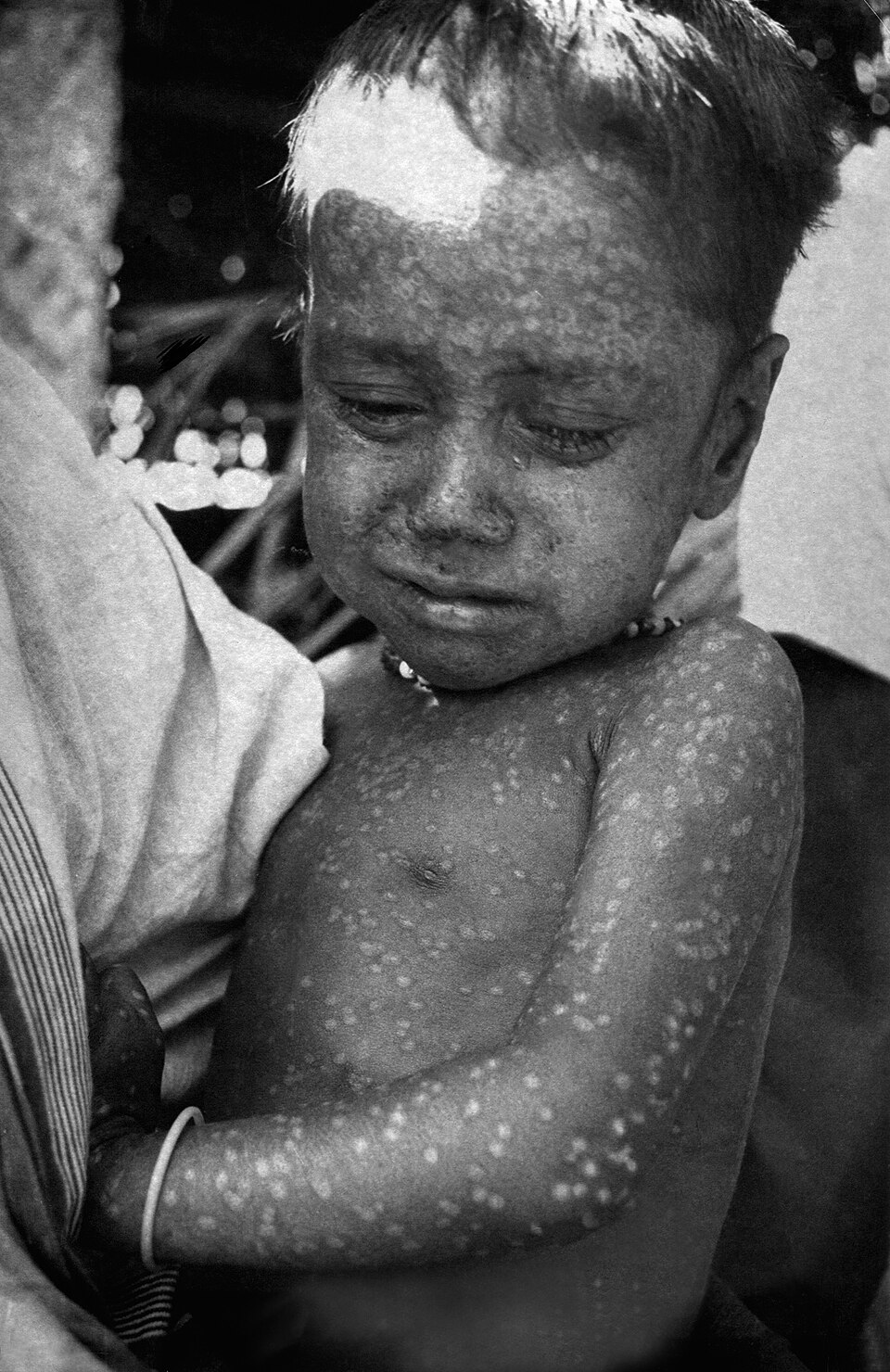
The trial borrowed ring vaccination from the smallpox campaigns, vaccinating contacts and their contacts. The smallpox entry shows how that strategy ended the disease worldwide.
Read this moment
Read next · built on
Global Eradication of Smallpox (1980)
The trial borrowed ring vaccination from the smallpox campaigns, vaccinating contacts and their contacts. The smallpox entry shows how that strategy ended the disease worldwide.
Read this moment
 Today on The Clinical Times
Florida dengue outbreak appears to be largest in continental U.S. in decades
Florida has reported more than 250 locally acquired dengue cases this year, with most in Hillsborough County, according to state health officials.
Read today’s top stories
Today on The Clinical Times
Florida dengue outbreak appears to be largest in continental U.S. in decades
Florida has reported more than 250 locally acquired dengue cases this year, with most in Hillsborough County, according to state health officials.
Read today’s top stories
All 526 moments in the history of medicine. This one is in chapter 7, Genes and pandemics
Connected moments
How this moment links to others in the history of medicine, and what you will find in each.
-
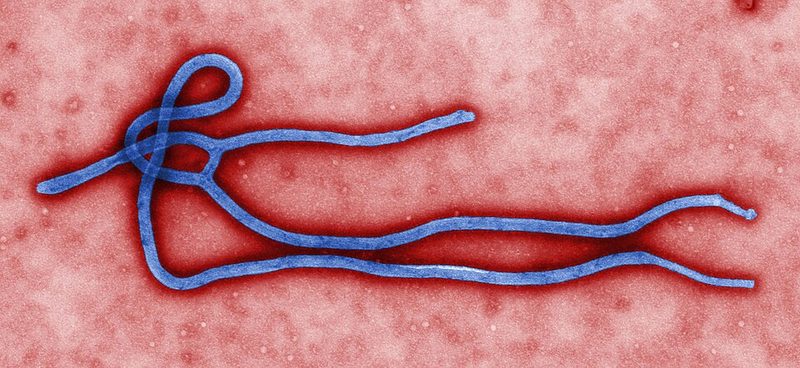 Built on2014West African Ebola epidemicThe trial ran in Guinea during the West African epidemic, which had exposed the lack of any vaccine. The 2014 entry shows 28,610 cases and 11,308 deaths.Read this moment
-
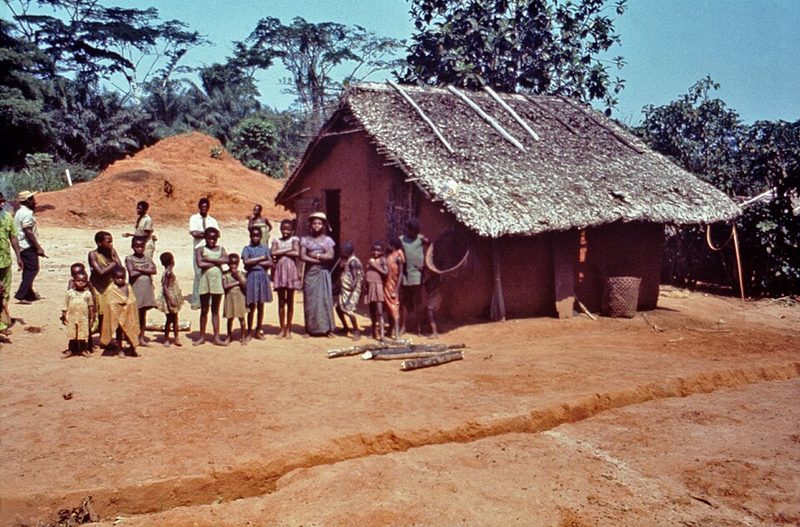 Same disease or problem1976First recognized Ebola outbreaksErvebo protects against the Zaire ebolavirus first identified at Yambuku in 1976. That entry shows the first outbreaks and why vaccines exist only for this form of the disease.Read this moment
-
 Same disease or problem1974WHO Expanded Programme on Immunization (EPI) launchedErvebo must be stored at minus 60 to 80 degrees, an extreme version of the cold chain problem EPI faced. The EPI entry shows vaccines kept cold across places without reliable electricity.Read this moment