Oncology
2011
National Lung Screening Trial (NLST)
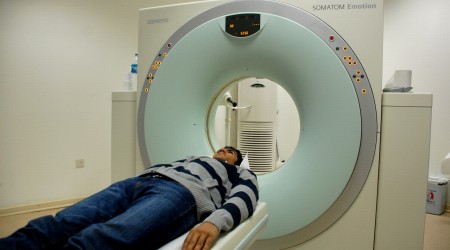
First randomized trial to show a screening test cuts lung cancer death. Across 53,454 heavy smokers, three annual low-dose CT scans lowered lung cancer mortality 20% versus chest x-ray, prompting USPSTF screening guidance.
Key people
- National Lung Screening Trial Research Team
- NCI-funded multicenter consortium that designed and conducted the trial.
- Denise Aberle
- First author of the 2011 NLST report in the New England Journal of Medicine.
- Claudia Henschke
- Led Early Lung Cancer Action Project, providing CT screening data that preceded NLST.
Source
Lung cancer is the leading cause of cancer death in the United States, where an estimated 135,720 people died of it in 2020, largely because most cases are diagnosed at an advanced stage when surgery is no longer an option. The case for screening was intuitive: if tumors could be detected while still small and localized, survival should improve. The problem was that intuition had failed before. The Mayo Lung Project and other chest radiograph screening studies in the 1970s and 1980s showed no mortality benefit, leaving screening as a practice with no randomized foundation.
Low-dose computed tomography offered better resolution than plain radiographs and could detect nodules too small for conventional x-ray. Observational data from the Early Lung Cancer Action Project in New York suggested that CT-detected stage I lesions had high surgical cure rates. Whether this translated to mortality reduction was a different question, one that required a randomized trial large enough and long enough to measure deaths, not detection rates.
The National Lung Screening Trial, funded by the National Cancer Institute, enrolled 53,454 current or former heavy smokers aged 55 to 74 at 33 centers across the United States between August 2002 and April 2004. Participants were randomly assigned to three annual rounds of low-dose CT or standard chest x-ray. After a median follow-up of 6.5 years, lung cancer mortality was 20% lower in the CT arm, translating to 247 versus 309 deaths per 100,000 person-years. All-cause mortality was 6.7% lower. The trial was stopped when interim analysis crossed the prespecified efficacy boundary.
The false-positive rate was a prominent finding alongside the mortality benefit. Approximately 24% of CT rounds produced a positive result, and about 96% of those positives were ultimately not cancer, leading to a chain of follow-up imaging, bronchoscopy, and in some cases surgical biopsy. The number needed to screen to prevent one lung cancer death was estimated at around 320. These figures shaped how guidelines framed shared decision-making: patients were to be told how likely follow-up procedures were before they entered a screening program.
The USPSTF first recommended screening in 2013 and updated the recommendation in 2021 to cover adults aged 50 to 80 with at least a 20 pack-year smoking history who currently smoke or quit within the past 15 years. Denise Aberle was first author of the main NLST report. CMS coverage followed, though uptake in eligible populations remained well below the rates seen in breast and colorectal cancer screening programs.
Keep exploring
 Read next · built on
First clinical CT scanner (EMI head scanner) (1971)
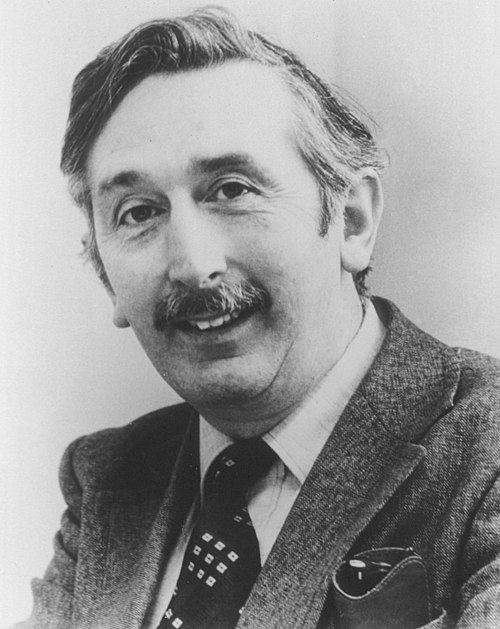
NLST screened with low-dose CT, the cross-sectional X-ray imaging Hounsfield first used on a patient in 1971. The CT entry shows the first scan and how body scanners followed.
Read this moment
Read next · built on
First clinical CT scanner (EMI head scanner) (1971)
NLST screened with low-dose CT, the cross-sectional X-ray imaging Hounsfield first used on a patient in 1971. The CT entry shows the first scan and how body scanners followed.
Read this moment
 Today on The Clinical Times
Florida dengue outbreak appears to be largest in continental U.S. in decades
Florida has reported more than 250 locally acquired dengue cases this year, with most in Hillsborough County, according to state health officials.
Read today’s top stories
Today on The Clinical Times
Florida dengue outbreak appears to be largest in continental U.S. in decades
Florida has reported more than 250 locally acquired dengue cases this year, with most in Hillsborough County, according to state health officials.
Read today’s top stories
All 526 moments in the history of medicine. This one is in chapter 7, Genes and pandemics
Connected moments
How this moment links to others in the history of medicine, and what you will find in each.
-
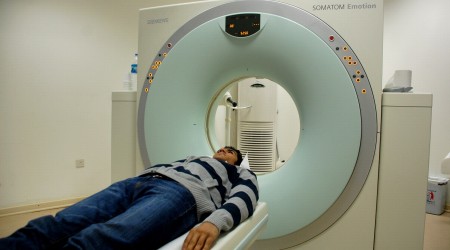 Same disease or problem2020NELSON lung cancer screening trialNELSON tested CT screening in Europe and backed NLST's finding. It shows lung cancer deaths cut by 24 percent at ten years with few unnecessary workups.Read this moment
-
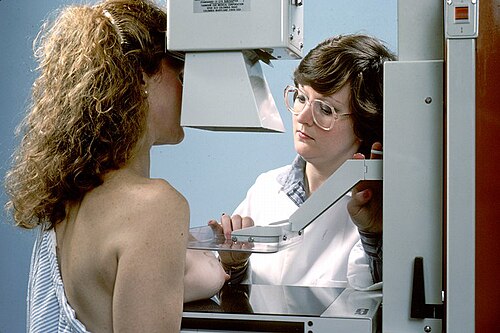 Same disease or problem1971Health Insurance Plan (HIP) of Greater New York mammography trialBoth were randomized screening trials judged by deaths prevented, the first for breast cancer and the first success for lung cancer. The HIP entry shows about 30 percent fewer breast cancer deaths.Read this moment
-
 Same disease or problem1950Doll and Hill smoking and lung cancer case-control studyNLST screened heavy smokers, the group Doll and Hill had shown most at risk of lung cancer. Their entry shows risk rising to about 25 times normal in the heaviest smokers.Read this moment