Infectious Disease
2014
Ledipasvir-Sofosbuvir for Hepatitis C (ION-1)
This phase 3 trial of 865 untreated genotype 1 patients showed 12 weeks of a single daily ledipasvir-sofosbuvir tablet cured 97 to 99 percent, with no benefit from added ribavirin or longer treatment.

Key people
- Nezam Afdhal
- First author of the 2014 ION-1 report.
- Stefan Zeuzem
- Second author of the 2014 ION-1 report.
- Michael Sofia
- Pharmasset chemist whose team discovered sofosbuvir (PSI-7977).
Source
For most of the 1990s and 2000s, the standard treatment for chronic hepatitis C genotype 1 was pegylated interferon alfa plus ribavirin, given for 48 weeks. Sustained virologic response rates hovered around 40 to 50% for genotype 1, and the regimen carried substantial toxicity: flu-like symptoms, hemolytic anemia, depression, and autoimmune complications. Many patients discontinued treatment early, and those with cirrhosis, psychiatric illness, or cytopenias were often excluded from treatment entirely.
The development of direct-acting antivirals changed the therapeutic calculus rapidly. Sofosbuvir, a nucleotide analogue inhibitor of the NS5B polymerase, was approved in 2013 in combination with ribavirin or with other agents. Ledipasvir, an NS5A inhibitor, was developed by Gilead Sciences to pair with sofosbuvir in a single fixed-dose combination tablet. Sofosbuvir itself had been discovered, as PSI-7977, by Michael Sofia's team at the biotechnology company Pharmasset. The combination targeted two different steps in viral replication, raising a high barrier to resistance.
ION-1 enrolled 865 treatment-naive patients with confirmed chronic HCV genotype 1 infection at sites in the United States and Europe; 16% had cirrhosis. Nezam Afdhal was first author of the report and Stefan Zeuzem second author. Patients were randomly assigned to four arms: 12 or 24 weeks of ledipasvir-sofosbuvir, each with or without ribavirin. Sustained virologic response at 12 weeks after treatment end, the standard definition of cure, ranged from 97 to 99% across all arms. Adding ribavirin or extending treatment to 24 weeks provided no virologic benefit.
The implications for the hepatitis C epidemic were immediate. A single daily tablet for 12 weeks with a cure rate near 99% and a safety profile far more acceptable than interferon-based regimens changed treatment for most patients. Patients who had been deferred because of comorbidities, psychiatric history, or prior interferon intolerance became candidates for treatment. The FDA approved the tablet on October 10, 2014, under the trade name Harvoni.
ION-1 was one of several concurrent trials, including ION-2 in treatment-experienced patients, that collectively retired interferon from HCV care within a few years of approval. Subsequent trials by Gilead and AbbVie demonstrated pan-genotypic regimens that extended access to patients with genotypes 2 through 6. The question shifted from whether patients could be cured to whether screening programs and treatment access could reach the estimated 47 million people who, by WHO's current estimate, live with chronic HCV infection.
Keep exploring
 Read next · built on
Discovery of the hepatitis C virus (1989)
The cloned hepatitis C genome gave drug makers the viral targets these pills block. The 1989 entry shows how Houghton's team found the virus and made blood screening possible.
Read this moment
Read next · built on
Discovery of the hepatitis C virus (1989)
The cloned hepatitis C genome gave drug makers the viral targets these pills block. The 1989 entry shows how Houghton's team found the virus and made blood screening possible.
Read this moment
 Today on The Clinical Times
Florida dengue outbreak appears to be largest in continental U.S. in decades
Florida has reported more than 250 locally acquired dengue cases this year, with most in Hillsborough County, according to state health officials.
Read today’s top stories
Today on The Clinical Times
Florida dengue outbreak appears to be largest in continental U.S. in decades
Florida has reported more than 250 locally acquired dengue cases this year, with most in Hillsborough County, according to state health officials.
Read today’s top stories
All 526 moments in the history of medicine. This one is in chapter 7, Genes and pandemics
Connected moments
How this moment links to others in the history of medicine, and what you will find in each.
-
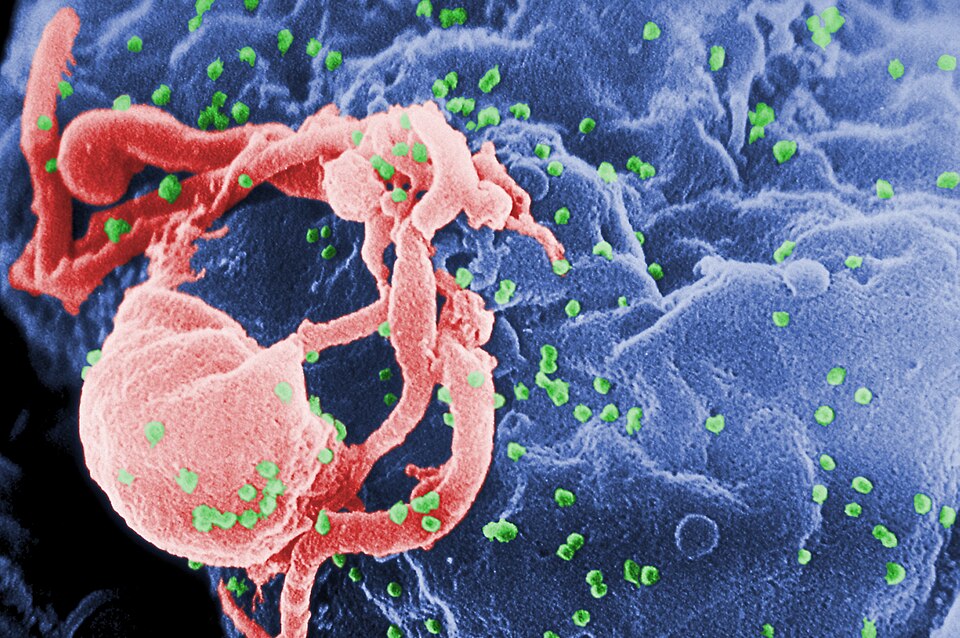 Same disease or problem1996Highly Active Antiretroviral Therapy (HAART) and the Vancouver protease-inhibitor combination eraBoth beat viral resistance by combining drugs, three for HIV in 1996 and two in one tablet for hepatitis C in 2014. The HAART entry shows three-drug combinations suppressing HIV.Read this moment
-
 Same disease or problem1965Discovery of the hepatitis B virus (Australia antigen)Both concern viral hepatitis spread by blood, hepatitis B met with screening and a vaccine and hepatitis C finally with a cure. Blumberg's entry shows the antigen that began hepatitis B screening.Read this moment