Infectious Disease
2011
RTS,S/AS01 (Mosquirix) Malaria Vaccine Phase 3 Trial
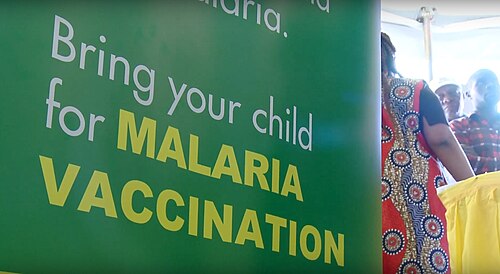
First malaria vaccine to show efficacy in a phase 3 trial. Protection was partial and waned, but in October 2021 WHO recommended it for children in sub-Saharan Africa and other areas with moderate to high transmission, its first recommendation of a malaria vaccine.
Key people
- Pedro Alonso
- ISGlobal, Barcelona; worked on earlier RTS,S trials in Mozambican children.
- Johan Vekemans
- GSK vaccine scientist; worked on RTS,S clinical trials.
- Brian Greenwood
- Malaria epidemiologist; co-author of many RTS,S studies.
- Joe Cohen
- GSK scientist; co-developed the original RTS,S construct.
Source
Malaria has resisted vaccine development for reasons that reflect the complexity of the Plasmodium parasite itself. Unlike viruses, which present relatively few antigens, Plasmodium falciparum expresses thousands of proteins and shifts its antigenic profile as it passes through mosquito, liver, and red-cell stages. Decades of attempts to raise protective immunity had produced no licensed vaccine. By the time WHO recommended RTS,S in 2021, the vaccine reflected about 30 years of research and development by GSK, much of it later in partnership with PATH.
The vaccine targets the circumsporozoite protein on the surface of P. falciparum sporozoites, the parasite form inoculated during a mosquito bite, before it reaches the liver. The construct links repeat and T-cell epitope regions of the circumsporozoite protein to hepatitis B surface antigen, and is formulated with the AS01 adjuvant system to boost cellular and humoral immunity. The phase 3 trial enrolled 15,460 infants and young children in seven African countries between March 2009 and January 2011, comparing three or four doses of the vaccine against control.
In children aged 5 to 17 months given three doses, vaccine efficacy against clinical malaria was approximately 56% over the first 12 months of follow-up (50.4% by intention to treat), and efficacy against severe malaria was 47%. Over a median of 48 months, efficacy fell to 28%, and in the youngest age group (6 to 12 weeks at first dose) it was lower throughout. A fourth dose raised efficacy over the same period to 36% but did not return it to early levels. Pedro Alonso of ISGlobal in Barcelona had worked on earlier RTS,S trials in Mozambican children, and the malaria epidemiologist Brian Greenwood was an author on many RTS,S studies.
The waning efficacy provoked debate over whether a vaccine that protected little more than a quarter of children over four years should be used widely, when a disease causing hundreds of thousands of childhood deaths a year might still be cut substantially by partial protection at scale. Ghana, Kenya, and Malawi conducted a WHO-coordinated pilot rollout starting in 2019, administering the vaccine through routine immunization programs to children aged 5 to 9 months.
By October 2021 the pilots had reached more than 900,000 children and showed a 30% reduction in deadly severe malaria, and on 6 October WHO recommended the vaccine for children in sub-Saharan Africa and other regions with moderate to high transmission. Johan Vekemans, a GSK vaccine scientist, worked on RTS,S trials over more than a decade. On 2 October 2023 WHO recommended a second malaria vaccine, R21/Matrix-M.
Keep exploring
 Read next · built on
Discovery of the hepatitis B virus (Australia antigen) (1965)
The malaria vaccine links a parasite protein to hepatitis B surface antigen, the molecule Blumberg first found. His entry shows how that antigen was identified and became the basis of the hepatitis B vaccine.
Read this moment
Read next · built on
Discovery of the hepatitis B virus (Australia antigen) (1965)
The malaria vaccine links a parasite protein to hepatitis B surface antigen, the molecule Blumberg first found. His entry shows how that antigen was identified and became the basis of the hepatitis B vaccine.
Read this moment
 Today on The Clinical Times
Florida dengue outbreak appears to be largest in continental U.S. in decades
Florida has reported more than 250 locally acquired dengue cases this year, with most in Hillsborough County, according to state health officials.
Read today’s top stories
Today on The Clinical Times
Florida dengue outbreak appears to be largest in continental U.S. in decades
Florida has reported more than 250 locally acquired dengue cases this year, with most in Hillsborough County, according to state health officials.
Read today’s top stories
All 526 moments in the history of medicine. This one is in chapter 7, Genes and pandemics
Connected moments
How this moment links to others in the history of medicine, and what you will find in each.
-
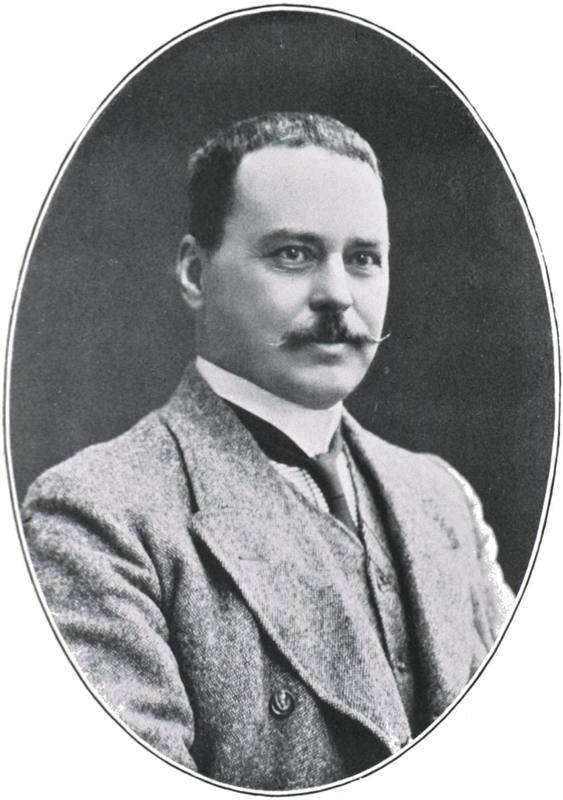 Same disease or problem1897Ross and the mosquito transmission of malariaRTS,S targets the parasite form a mosquito injects, the stage of the cycle Ross traced. Ross's entry shows malaria parasites developing in a mosquito's stomach in 1897.Read this moment
-
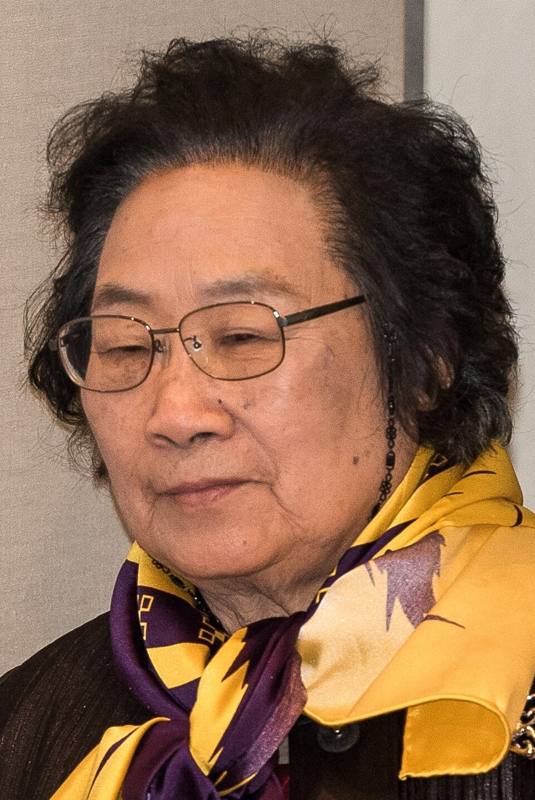 Same disease or problem1972Tu Youyou and artemisininBoth fought malaria in children, artemisinin as treatment and RTS,S as partial prevention. Tu's entry shows an ancient fever herb turned into the leading malaria drug.Read this moment
-
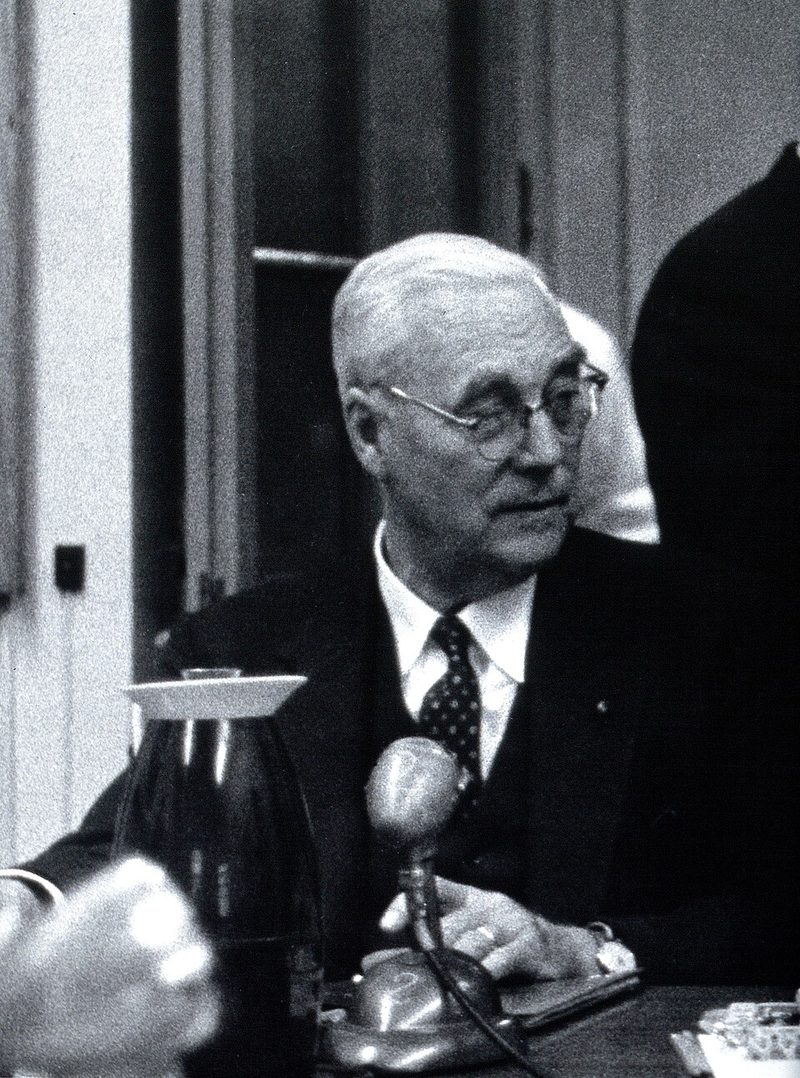 Same disease or problem1955The Global Malaria Eradication ProgrammeThe eradication campaign relied on insecticide and failed, and decades later a vaccine offered a new but partial tool. The 1955 entry shows WHO falling back from eradication to control in 1969.Read this moment