Infectious Disease
2006
FUTURE / Quadrivalent HPV Vaccine Efficacy Trials
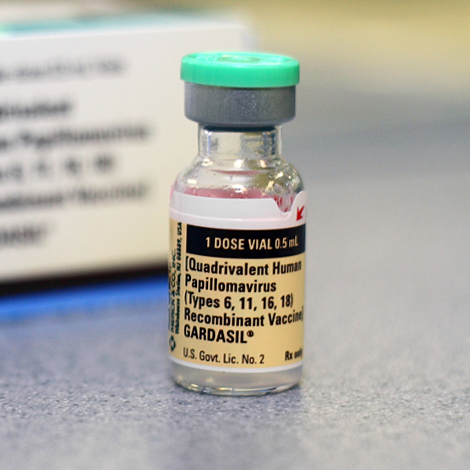
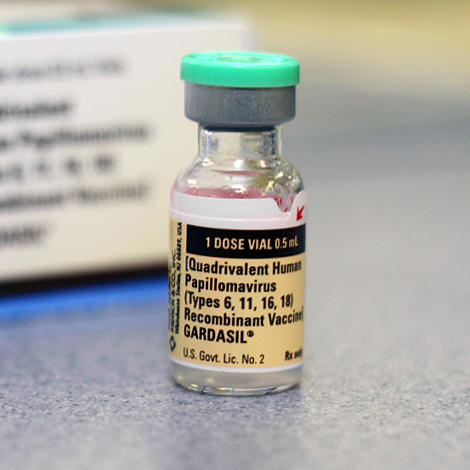
In women not already infected, the quadrivalent vaccine cut HPV 16/18-related high-grade cervical precancers by 98% in the per-protocol group. The FDA licensed Gardasil in June 2006, making a leading cause of cervical cancer vaccine-preventable.
Key people
- Ian Frazer
- University of Queensland; co-developer of HPV virus-like particle technology
- Jian Zhou
- Co-inventor of VLP technology underlying Gardasil; died 1999
- Diane Harper
- Co-author of the 2007 FUTURE I report
- Harald zur Hausen
- Established HPV-cervical cancer causation; 2008 Nobel laureate
- Frank Lowy
- NCI researcher who contributed to early papillomavirus VLP characterization work
Source
Cervical cancer prevention in the early 2000s rested mainly on Pap smear screening, a secondary prevention strategy that required repeated cytological examinations over a woman's lifetime and depended heavily on health system access for its effectiveness. HPV types 16 and 18 together account for approximately 70% of cervical cancers globally, and Harald zur Hausen had found the tumor-causing HPV 16 type in cervical cancer biopsies in 1983 and cloned HPV 16 and 18 from patients in 1984. The logical next step was a prophylactic vaccine targeting those types.
Part of the scientific foundation came from Ian Frazer and Jian Zhou at the University of Queensland, who in the early 1990s developed the technology to produce virus-like particles, proteins that assembled into the structural shell of HPV without containing viral DNA. VLPs could generate a strong immune response without being infectious. Zhou died in 1999, before the vaccine reached licensure. Merck licensed the VLP platform and developed the quadrivalent formulation targeting HPV types 6, 11, 16, and 18, with types 6 and 11 responsible for most genital warts.
The FUTURE I and FUTURE II trials randomized more than 17,000 women aged 15 to 26 to the quadrivalent vaccine or placebo across multiple countries. In women who were seronegative and DNA-negative at baseline for the relevant types, the per-protocol efficacy against HPV 16/18-related CIN 2/3 or adenocarcinoma in situ reached 98% in FUTURE II. FUTURE II alone randomized 12,167 women, and Diane Harper was among the authors of the FUTURE I report. The FDA licensed Gardasil on June 8, 2006, on the basis of these trials.
The FUTURE II paper also showed the vaccine's limits. Among all randomized women, including those already infected, efficacy against HPV 16/18-related high-grade lesions was 44%, and against high-grade lesions of any HPV type 17%, so the benefit depended on vaccinating before exposure. In March 2007 the US Advisory Committee on Immunization Practices recommended a three-dose series for girls at 11 to 12 years, allowed it from age 9, and advised catch-up vaccination from 13 to 26. Vaccinating children before sexual debut, and the cost of the series, drew public debate, and how long protection lasted was not yet known at licensure.
The United States recommended routine vaccination in 2007, and Australia began vaccinating all women aged 12 to 26 with the quadrivalent vaccine between 2007 and 2009. In Victoria, high-grade cervical abnormalities in girls under 18 were already falling by 2009, less than three years after the program began. The vaccine's scope expanded progressively: vaccination programs extended to boys in several countries, and a nine-valent formulation covering seven oncogenic HPV types replaced the quadrivalent version as the standard product. Genital warts, caused mostly by types 6 and 11, were a second target of the quadrivalent vaccine.
Keep exploring
 Read next · built on
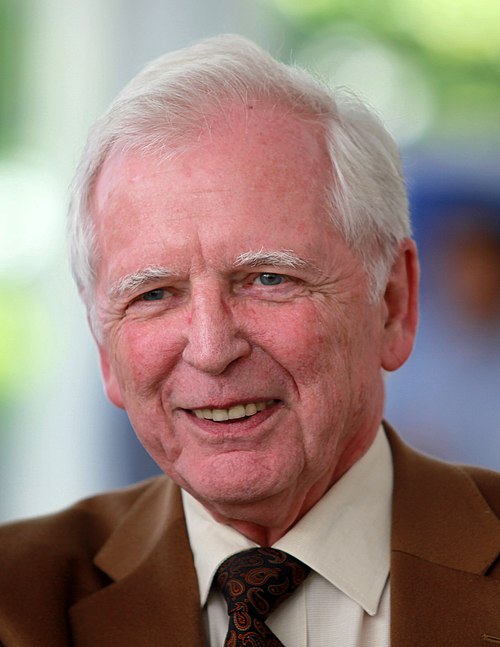
Harald zur Hausen hypothesis linking HPV to cervical cancer (1976)
The vaccine targeted HPV 16 and 18, the types zur Hausen's lab found and cloned from cervical cancers. His entry shows the 1976 hypothesis that a wart virus causes the cancer.
Read this moment
Read next · built on
Harald zur Hausen hypothesis linking HPV to cervical cancer (1976)
The vaccine targeted HPV 16 and 18, the types zur Hausen's lab found and cloned from cervical cancers. His entry shows the 1976 hypothesis that a wart virus causes the cancer.
Read this moment
 Today on The Clinical Times
Florida dengue outbreak appears to be largest in continental U.S. in decades
Florida has reported more than 250 locally acquired dengue cases this year, with most in Hillsborough County, according to state health officials.
Read today’s top stories
Today on The Clinical Times
Florida dengue outbreak appears to be largest in continental U.S. in decades
Florida has reported more than 250 locally acquired dengue cases this year, with most in Hillsborough County, according to state health officials.
Read today’s top stories
All 526 moments in the history of medicine. This one is in chapter 7, Genes and pandemics
Connected moments
How this moment links to others in the history of medicine, and what you will find in each.
-
 Led to2020Population evidence that HPV vaccination prevents invasive cervical cancerFUTURE measured precancers, and the Swedish cohort later showed the vaccine prevents invasive cancer itself. It shows an 88 percent lower risk in girls vaccinated before 17.Read this moment
-
 Same disease or problem1943The Papanicolaou SmearCervical cancer prevention had rested on Pap screening, and the vaccine added prevention before infection. The Pap entry shows how shed cells in a smear became the basis of screening.Read this moment
-
 Same disease or problem1997Hepatitis B vaccine and liver cancer in TaiwanBoth vaccines prevent cancer by blocking the virus that causes it, and both are given to the young before infection. The Taiwan entry shows childhood liver cancer halved after universal vaccination.Read this moment