Oncology
2010
Ipilimumab improves survival in metastatic melanoma
First randomized trial to show any drug extends survival in metastatic melanoma, and the first proof that blocking an immune checkpoint, here CTLA-4, treats advanced cancer. Median survival rose from 6.4 to about 10 months.
Key people
- James Allison
- Developed CTLA-4 blockade as a cancer treatment concept; 2018 Nobel laureate.
- F. Stephen Hodi
- First author of the phase 3 trial; principal clinical investigator at Dana-Farber.
- Steven O'Day
- Second author of the 2010 phase 3 report.
- Tasuku Honjo
- Discovered PD-1; shared 2018 Nobel Prize for immune checkpoint work.
Source
For decades, metastatic melanoma carried a median survival measured in months, and no drug had moved that number in a randomized trial. Dacarbazine had been a standard agent since the 1970s, producing response rates around 15% with no demonstrated survival benefit. Interleukin-2 worked in a small fraction of patients but carried severe toxicity. By the late 2000s, oncologists treating stage IV disease had little to offer beyond enrollment in trials.
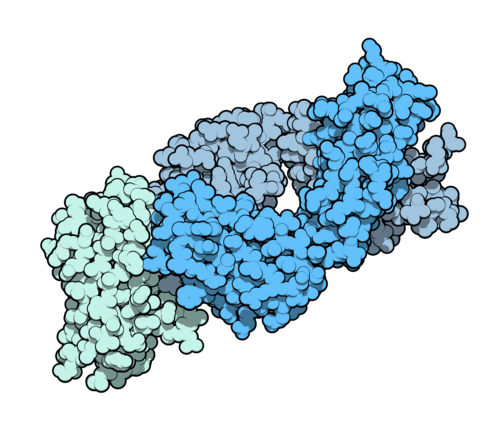
The drug that finally did so worked by releasing a brake on the immune system. James Allison's laboratory at the University of California, Berkeley had spent years studying CTLA-4, a protein expressed on activated T cells that dampens their response. His group first tried blocking CTLA-4 with an antibody in mice with tumors at the end of 1994, cured them, and published the result in Science in 1996. Ipilimumab, an antibody against CTLA-4, was developed for patients by Medarex and Bristol-Myers Squibb.
The 2010 phase 3 trial, led by F. Stephen Hodi at Dana-Farber Cancer Institute, enrolled 676 patients who had progressed on prior therapy and randomly assigned them to ipilimumab alone, ipilimumab plus an experimental gp100 peptide vaccine, or vaccine alone. Median overall survival reached 10.1 months in the ipilimumab monotherapy arm versus 6.4 months in the vaccine-only arm. The result that drew most attention came later: a 2015 pooled analysis of 1,861 patients from 12 studies found that the survival curve flattened at about three years, with 22% of patients alive at that point.
The trial also introduced oncologists to a class of toxicities they had not managed before. Immune-related adverse events, including colitis, hepatitis, dermatitis, and hypophysitis, required prompt recognition and corticosteroid treatment. Managing these events became a required competency in oncology, and guidelines for immune-mediated toxicity were developed across specialties. In the 2010 trial, grade 3 or 4 immune-related adverse events occurred in 10 to 15% of patients given ipilimumab, and 7 of the 14 deaths related to the study drugs were immune-related. Steven O'Day was second author of the report.
The FDA approved ipilimumab on March 25, 2011. The finding that CTLA-4 was a workable target showed that immune checkpoint blockade could help patients, and it was not long before the PD-1 pathway yielded a second class of agents with higher response rates and a better tolerability profile. Allison shared the 2018 Nobel Prize in Physiology or Medicine with Tasuku Honjo. In the CheckMate 067 trial in previously untreated advanced melanoma, reported in 2017, 3-year survival was 58% with nivolumab plus ipilimumab and 34% with ipilimumab alone.
Keep exploring
 Read next · led to
Anti-PD-1 antibody activity across multiple solid tumors (2012)
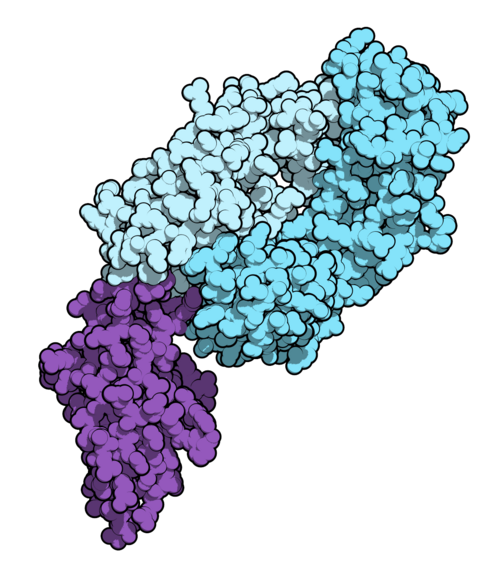
Ipilimumab proved checkpoint blockade could help patients, and PD-1 antibodies soon followed with higher response rates. The PD-1 entry shows lasting responses in melanoma, lung and kidney cancer.
Read this moment
Read next · led to
Anti-PD-1 antibody activity across multiple solid tumors (2012)
Ipilimumab proved checkpoint blockade could help patients, and PD-1 antibodies soon followed with higher response rates. The PD-1 entry shows lasting responses in melanoma, lung and kidney cancer.
Read this moment
 Today on The Clinical Times
Florida dengue outbreak appears to be largest in continental U.S. in decades
Florida has reported more than 250 locally acquired dengue cases this year, with most in Hillsborough County, according to state health officials.
Read today’s top stories
Today on The Clinical Times
Florida dengue outbreak appears to be largest in continental U.S. in decades
Florida has reported more than 250 locally acquired dengue cases this year, with most in Hillsborough County, according to state health officials.
Read today’s top stories
All 526 moments in the history of medicine. This one is in chapter 7, Genes and pandemics
Connected moments
How this moment links to others in the history of medicine, and what you will find in each.
-
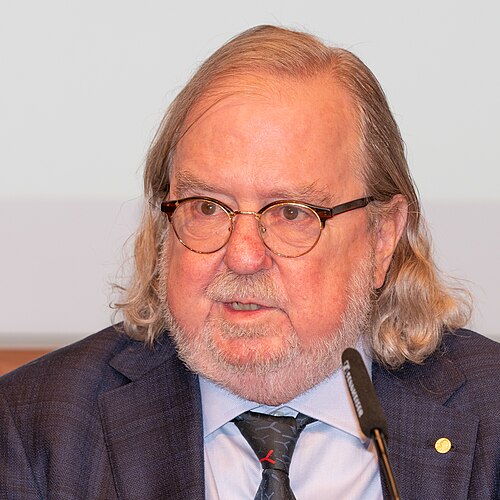 Same person2018Nobel Prize in Physiology or Medicine for cancer immune-checkpoint therapyJames Allison, whose CTLA-4 work led to ipilimumab, shared the 2018 Nobel Prize with Tasuku Honjo. The prize entry shows checkpoint blockade recognized as a new class of cancer treatment.Read this moment
-
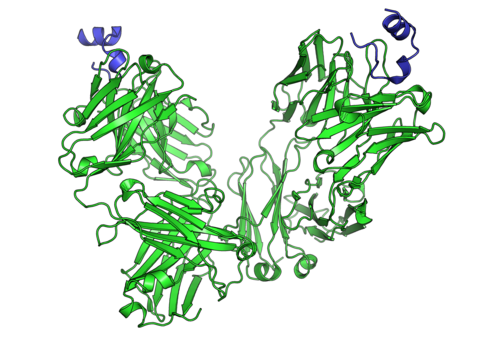 Same disease or problem2017Tisagenlecleucel (Kymriah): First FDA-Approved CAR-T Cell TherapyBoth turned a patient's own T cells against cancer, ipilimumab by releasing their brake and CAR-T by engineering them. The Kymriah entry shows 81 percent remission in relapsed childhood leukemia.Read this moment