Foundational Discovery
2006
Induced Pluripotent Stem Cells (iPSCs)
Yamanaka's team turned mouse fibroblasts, including cells from adult mice, into pluripotent stem cells with four genes. Human versions followed in 2007, giving researchers patient-matched cells without embryos, and Yamanaka shared the 2012 Nobel Prize.
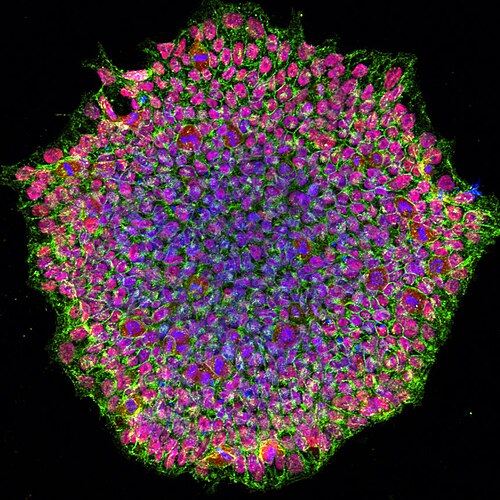
Key people
- Shinya Yamanaka
- Kyoto University; senior author, iPSC discovery; 2012 Nobel laureate
- Kazutoshi Takahashi
- First author of the 2006 mouse and 2007 human iPSC papers
- James Thomson
- University of Wisconsin; independently achieved human iPSC reprogramming in 2007
- John Gurdon
- Cambridge; nuclear transfer pioneer; shared 2012 Nobel with Yamanaka
Source
The decade before 2006 had produced a prolonged political and ethical impasse over human embryonic stem cell research. In the United States, federal funding for work on newly derived cell lines was restricted after August 2001, and researchers in many countries faced legal uncertainty or outright prohibition. The scientific appeal of pluripotent stem cells was clear: they could theoretically differentiate into any tissue type, offering tools for disease modeling and, eventually, regenerative therapies. The central obstacle was that creating them required embryos, which made the field politically volatile.
Shinya Yamanaka, working at Kyoto University's Institute for Frontier Medical Sciences, approached the problem differently. If embryonic stem cells maintained their pluripotency through the activity of specific transcription factors, he reasoned, perhaps reactivating those factors in a mature somatic cell could reverse its differentiated state. His laboratory screened a set of candidate genes and arrived at four: Oct3/4, Sox2, c-Myc, and Klf4. Kazutoshi Takahashi, first author of the paper, did the experiments, introducing the four factors with retroviral vectors into embryonic and adult mouse fibroblasts; Nanog, unexpectedly, was not needed. The August 2006 Cell paper reported that the resulting cells, which Yamanaka named induced pluripotent stem cells, closely resembled embryonic stem cells in morphology, gene expression profiles, and capacity to differentiate into the three primary germ layers.
The initial mouse result was striking but needed rapid replication in human cells to be clinically meaningful. Within a year, Yamanaka's group reported human iPSCs made from adult skin fibroblasts with the same four factors, in Cell, and James Thomson's laboratory at the University of Wisconsin reported human iPSCs made with a different set (OCT4, SOX2, NANOG and LIN28), in Science. The two reports appeared online within days of each other in November 2007, and each confirmed the approach independently of the other.
For the research community, iPSCs addressed the ethical obstacle without resolving all scientific ones. Early cell lines carried retroviral integrations that raised safety concerns for any therapeutic application, and c-Myc was a known oncogene. Subsequent work developed non-integrating reprogramming methods using episomal vectors, mRNA transfection, and small molecules, reducing but not eliminating the technical hurdles to clinical use. Disease modeling became the field's most immediate practical application, allowing researchers to generate cardiomyocytes, neurons, and hepatocytes from patients with long QT syndrome, ALS, and Parkinson's disease and study pathophysiology in cells carrying the patient's own genetic background.
Yamanaka shared the 2012 Nobel Prize in Physiology or Medicine with John Gurdon of Cambridge, whose nuclear transfer experiments in frogs during the 1960s had first demonstrated that differentiated cells retain a complete genome and can be reprogrammed under the right conditions. The Nobel Assembly noted that Yamanaka's discovery came more than 40 years after Gurdon's 1962 experiment. In 2017 Japanese researchers reported transplanting retinal cells made from a patient's own iPSCs into an eye with macular degeneration, and in 2025 a Kyoto University trial reported that seven patients with Parkinson's disease had received iPSC-derived dopamine-cell precursors without serious adverse events.
Keep exploring
 Read next · same disease or problem
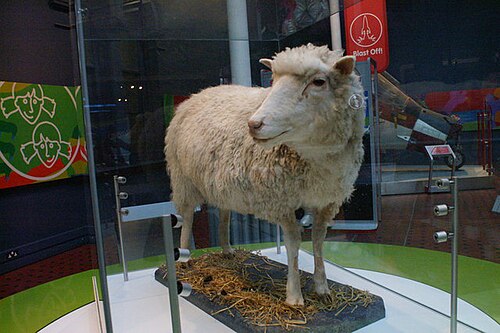
Dolly the Cloned Sheep (1997)
Dolly showed an adult nucleus could be reprogrammed inside an egg, and Yamanaka did it with four genes alone. The Dolly entry shows the cloned sheep and the argument over human cloning.
Read this moment
Read next · same disease or problem
Dolly the Cloned Sheep (1997)
Dolly showed an adult nucleus could be reprogrammed inside an egg, and Yamanaka did it with four genes alone. The Dolly entry shows the cloned sheep and the argument over human cloning.
Read this moment
 Today on The Clinical Times
Florida dengue outbreak appears to be largest in continental U.S. in decades
Florida has reported more than 250 locally acquired dengue cases this year, with most in Hillsborough County, according to state health officials.
Read today’s top stories
Today on The Clinical Times
Florida dengue outbreak appears to be largest in continental U.S. in decades
Florida has reported more than 250 locally acquired dengue cases this year, with most in Hillsborough County, according to state health officials.
Read today’s top stories
All 526 moments in the history of medicine. This one is in chapter 7, Genes and pandemics
Connected moments
How this moment links to others in the history of medicine, and what you will find in each.
-
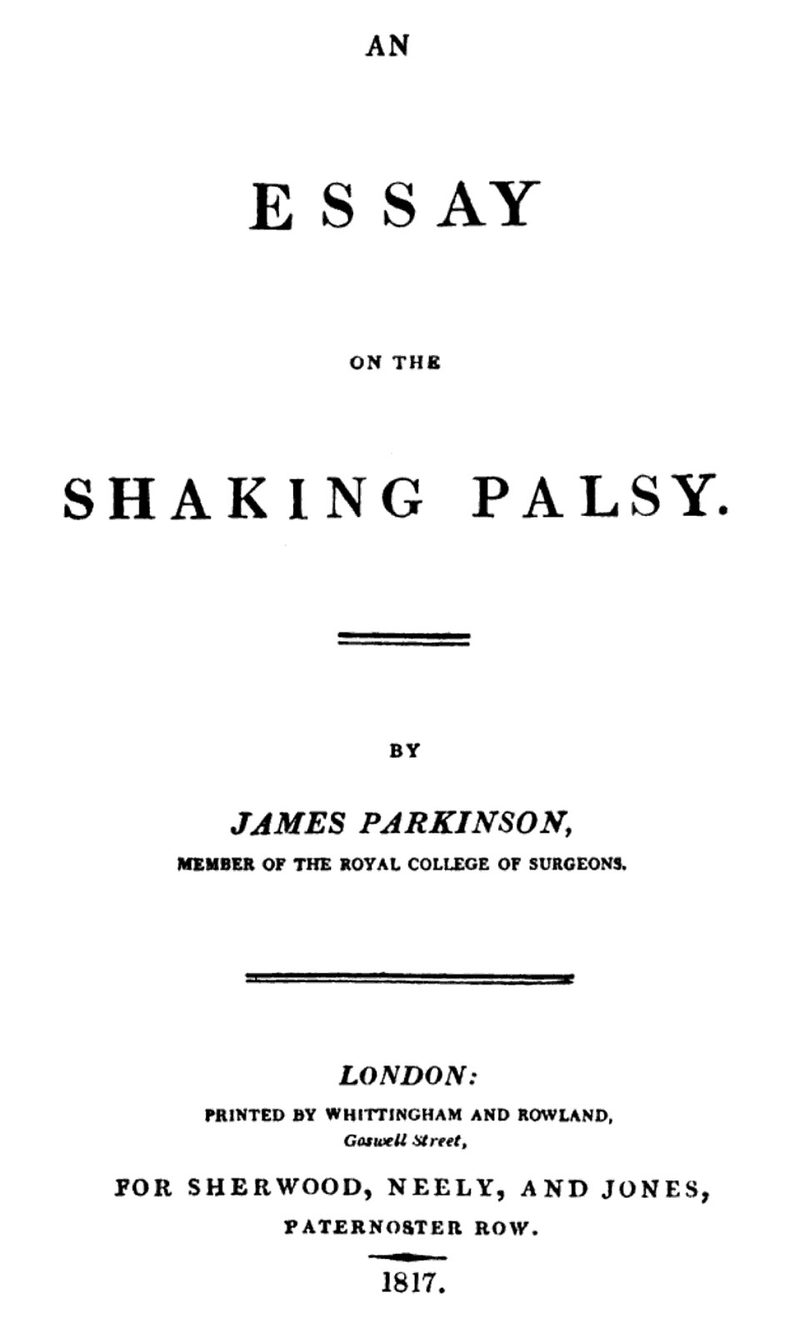 Same disease or problem1817Parkinson's Essay on the Shaking PalsyIn 2025 Parkinson patients received dopamine cell precursors grown from iPSCs. Parkinson's entry shows his 1817 description of the shaking palsy.Read this moment
-
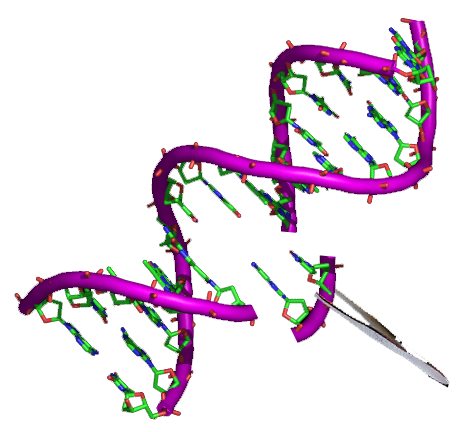 Same disease or problem1990First Approved Human Gene Therapy (ADA-SCID, Ashanthi DeSilva)Both used retroviral vectors to put genes into cells, and both fields met safety worries over those vectors. The ADA entry shows the first authorized gene therapy trial in a four-year-old girl.Read this moment