Public Health
1976
Nurses' Health Study
Begun in 1976 with 121,700 married female nurses, it first tracked oral contraceptive use, then widened to diet, hormones and lifestyle, producing decades of evidence on women's cancer and heart disease risk.
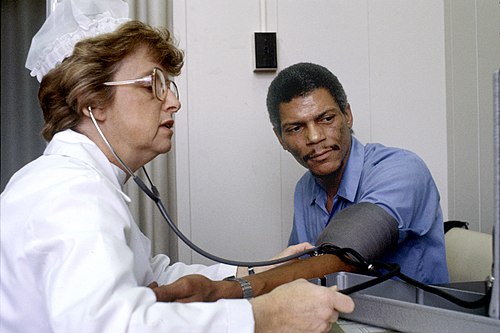
Key people
- Frank Speizer
- Harvard epidemiologist who designed and launched the study in 1976.
- Walter Willett
- Subsequent principal investigator; led much of the diet and chronic disease analysis.
- Graham Colditz
- Harvard epidemiologist and longtime NHS investigator who led cancer risk analyses.
- JoAnn Manson
- Harvard physician-epidemiologist who used NHS data to examine hormone therapy and cardiovascular risk.
Source
In 1976, the long-term safety of oral contraceptives was genuinely uncertain. Frank Speizer, a Harvard epidemiologist, set out to follow a large group of women for years with mailed questionnaires. Nurses were chosen for their knowledge about health and their ability to give complete and accurate information. In 1976, 121,700 married registered nurses aged 30 to 55, living in 11 states, returned the first questionnaire, and Speizer's group described the study in the American Journal of Nursing in 1978.
The initial focus was oral contraceptive safety, but the biennial questionnaire design allowed the study to expand its scope as new questions arose. Diet, physical activity, body weight, smoking, hormone use, and family history were tracked systematically over follow-up that eventually stretched past four decades. Outcome ascertainment relied on medical record review, death certificates, and pathology reports, giving the incidence estimates credibility beyond self-report alone; the questionnaires of 1978 and 1980 reached 92.7 percent of the women.
The findings on postmenopausal hormone therapy proved particularly consequential. In 1985 the study reported that current users of postmenopausal estrogen had about a third the risk of severe coronary disease of women who had never used hormones (relative risk 0.3). In 2002 the Women's Health Initiative randomized trial found that estrogen plus progestin increased coronary disease (hazard ratio 1.29), breast cancer and stroke. Nurses' Health Study investigators later reported in 2006 that the lower risk held for women who began hormones near menopause, while among women resembling the trial's participants, who started ten or more years after menopause, there was no significant relation.
A food frequency questionnaire was added in 1980, and Walter Willett led much of the diet research that followed. Analyses published in 1997 found that each 5 percent of energy from saturated fat, in place of carbohydrate, went with a 17 percent higher coronary risk, and suggested that replacing saturated and trans fats with unsaturated fats did more to prevent coronary disease than cutting total fat; a high glycemic load with little cereal fiber raised the risk of diabetes, in an analysis of 915 new cases over six years. A 1990 analysis from the cohort linked obesity to coronary disease in women.
Willett and colleagues started the Nurses' Health Study II in 1989 with 116,430 nurses aged 25 to 42. The Nurses' Health Study 3, launched in 2010 by Jorge Chavarro, Walter Willett, Janet Rich-Edwards and Stacey Missmer, was the first to include male nurses. The 1985 hormone analysis alone had drawn on 105,786 person-years of observation among 32,317 postmenopausal women, with endpoints confirmed from medical records.
Keep exploring
 Read next · built on
Enovid: First FDA-Approved Oral Contraceptive Pill (1960)
The study began because the long-term safety of the pill was uncertain. The Enovid entry shows the first oral contraceptive, its high original doses and the clot reports that followed.
Read this moment
Read next · built on
Enovid: First FDA-Approved Oral Contraceptive Pill (1960)
The study began because the long-term safety of the pill was uncertain. The Enovid entry shows the first oral contraceptive, its high original doses and the clot reports that followed.
Read this moment
 Today on The Clinical Times
Florida dengue outbreak appears to be largest in continental U.S. in decades
Florida has reported more than 250 locally acquired dengue cases this year, with most in Hillsborough County, according to state health officials.
Read today’s top stories
Today on The Clinical Times
Florida dengue outbreak appears to be largest in continental U.S. in decades
Florida has reported more than 250 locally acquired dengue cases this year, with most in Hillsborough County, according to state health officials.
Read today’s top stories
All 526 moments in the history of medicine. This one is in chapter 6, Trials, scanners and rights
Connected moments
How this moment links to others in the history of medicine, and what you will find in each.
-
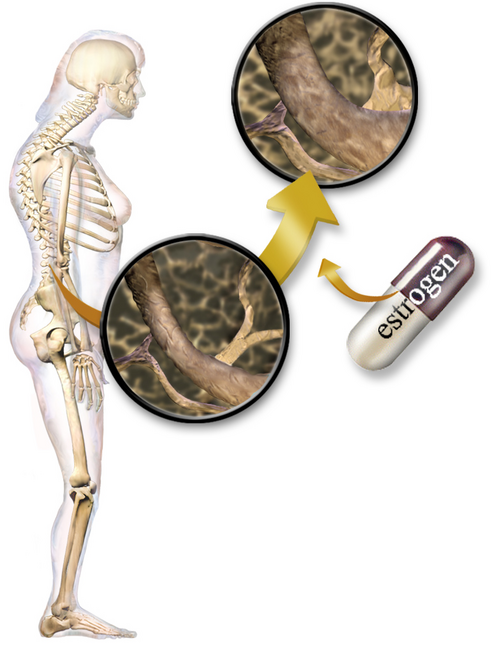 Same disease or problem2002Women's Health Initiative: Estrogen plus Progestin Hormone TherapyThe nurses' data suggested hormones protected the heart, but the WHI trial found estrogen with progestin raised coronary risk. The WHI entry shows how that result ended the assumption and cut prescribing sharply.Read this moment
-
 Same disease or problem1961Factors of Risk in the Development of Coronary Heart Disease (Framingham Heart Study)Both followed large groups for decades to find what raises the risk of heart disease. The Framingham entry shows how blood pressure and cholesterol became known as risk factors.Read this moment