Public Health
1974
WHO Expanded Programme on Immunization (EPI) launched
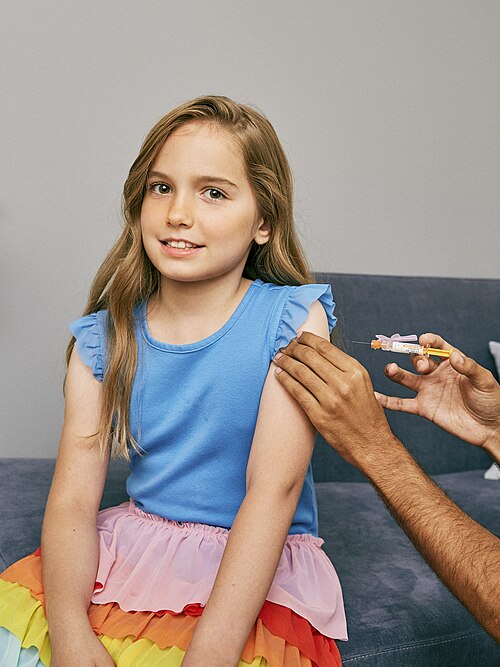
The 27th World Health Assembly created EPI in 1974 to vaccinate every child against six diseases. A WHO-led modelling study in the Lancet credits vaccination with averting about 154 million deaths in the 50 years since, 146 million of them in children under five.
Key people
- Halfdan Mahler
- WHO Director-General from 1973 to 1988, when the global rate of child vaccination rose from 5% to 50%.
- Ralph Henderson
- WHO official in Geneva who reported on the Expanded Programme on Immunization's progress through the 1980s.
- Jim Grant
- UNICEF leader whose Child Survival and Development Revolution helped raise DTP3 coverage from about 20% to 76% between 1982 and 1990.
Source
Lancet, 2024 (50-year EPI modelling study) (opens in a new tab)
When the 27th World Health Assembly met in May 1974, global coverage with three doses of diphtheria, tetanus and pertussis vaccine was under 5 percent. The smallpox eradication campaign was well advanced, and its success prompted a wider program. The Assembly created the Expanded Programme on Immunization, with the initial goal of vaccinating all children against smallpox, tuberculosis, diphtheria, tetanus, pertussis, polio and measles by 1990.
Halfdan Mahler, WHO Director-General from 1973 to 1988, oversaw the end of smallpox, and during his three terms the global rate of child vaccination rose from 5 percent to 50 percent. The practical obstacles were severe: vaccines had to stay cold all the way to places where electricity and refrigeration were unreliable, and health workers had to be trained to give them. In 1979 the Pan American Health Organization set up a revolving fund to buy vaccines, syringes and cold-chain equipment at affordable prices, and in 1984 EPI issued its first standard schedule: BCG at birth, DTP and polio vaccine at 6, 10 and 14 weeks, and measles vaccine at 9 months.
Coverage with three doses of DTP rose from about 20 percent in 1982 to 76 percent in 1990, driven by UNICEF's Child Survival and Development Revolution under Jim Grant, then rose more slowly, passing 81 percent by 2008. Gavi, founded in 2000 as a public-private partnership, sped the introduction of newer vaccines in poorer countries, and national programs added hepatitis B, Haemophilus influenzae type b, rotavirus and pneumococcal conjugate vaccines.
A Lancet modelling study published in 2024 to mark EPI's 50th anniversary, covering vaccines against 14 pathogens, estimated that vaccination had averted 154 million deaths since 1974: 146 million in children under five, including 101 million infants. Measles vaccination accounted for 93.7 million of those lives, about 61 percent. The WHO-led authors concluded that EPI had made the single greatest contribution to improved infant survival over the 50 years.
Since smallpox was declared eradicated in 1980, WHO has launched nine eradication and elimination strategies, beginning with the Global Polio Eradication Initiative in 1988 and Maternal and Neonatal Tetanus Elimination in 1989. Polio cases have fallen by more than 99.9 percent, and wild poliovirus survives only in a few neighboring districts of two countries. Global DTP3 coverage reached 86 percent in 2019, before the COVID-19 pandemic, and was 84 percent when the Lancet study appeared.
Keep exploring
 Read next · same disease or problem
Global Eradication of Smallpox (1980)
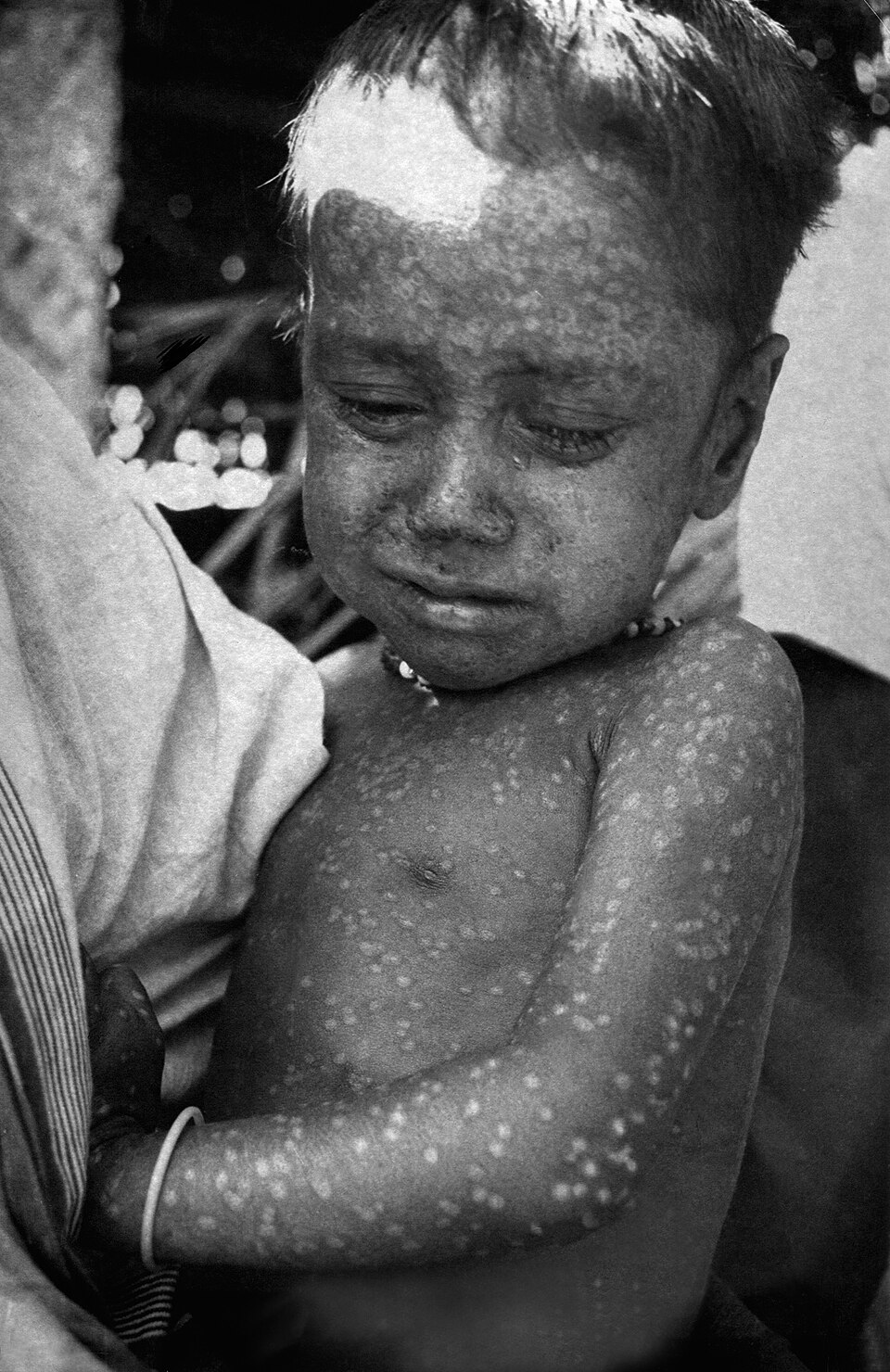
The smallpox campaign's success prompted WHO to launch EPI for six more childhood diseases. The smallpox entry shows how surveillance and ring vaccination wiped out the disease by 1980.
Read this moment
Read next · same disease or problem
Global Eradication of Smallpox (1980)
The smallpox campaign's success prompted WHO to launch EPI for six more childhood diseases. The smallpox entry shows how surveillance and ring vaccination wiped out the disease by 1980.
Read this moment
 Today on The Clinical Times
Florida dengue outbreak appears to be largest in continental U.S. in decades
Florida has reported more than 250 locally acquired dengue cases this year, with most in Hillsborough County, according to state health officials.
Read today’s top stories
Today on The Clinical Times
Florida dengue outbreak appears to be largest in continental U.S. in decades
Florida has reported more than 250 locally acquired dengue cases this year, with most in Hillsborough County, according to state health officials.
Read today’s top stories
All 526 moments in the history of medicine. This one is in chapter 6, Trials, scanners and rights
Connected moments
How this moment links to others in the history of medicine, and what you will find in each.
-
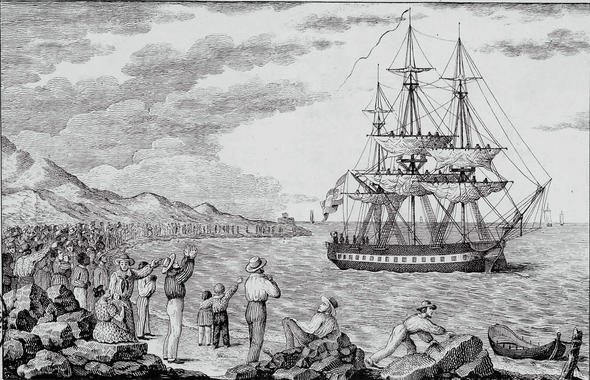 Same disease or problem1803The Balmis vaccine expeditionBoth had to keep vaccine alive over long distances, EPI with cold chains and Balmis with a chain of children vaccinated arm to arm. His entry shows cowpox carried from Spain to the Americas and Asia.Read this moment
-
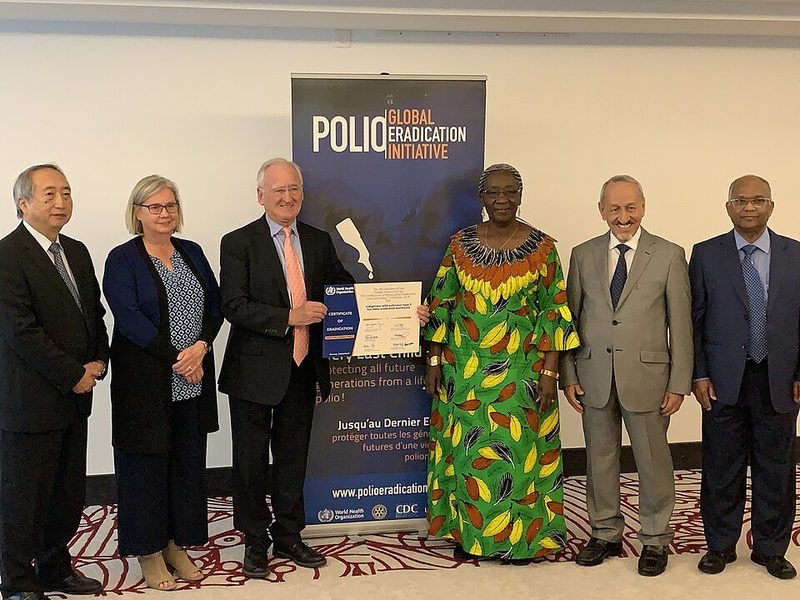 Same disease or problem2019Eradication of wild poliovirus type 3Polio was one of EPI's first target diseases, and polio cases have since fallen by more than 99.9 percent. The type 3 entry shows the 2019 certification that one of the three wild strains was gone.Read this moment
-
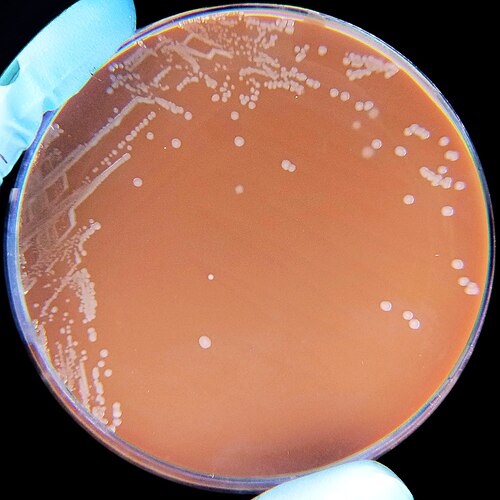 Same disease or problem1987Haemophilus influenzae type b (Hib) conjugate vaccineNational programs built on EPI later added newer vaccines such as Hib to the childhood schedule. The Hib entry shows how conjugate vaccines finally protected young children and cut invasive disease by 99 percent.Read this moment