Oncology
1979
Total Therapy / combination treatment curing childhood ALL
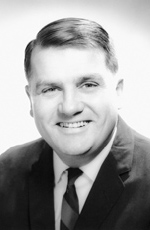
Pinkel's St. Jude Total Therapy added intrathecal methotrexate and cranial irradiation to multidrug chemotherapy, raising childhood ALL survival from near zero to roughly half and making cure a realistic goal.
Key people
- Donald Pinkel
- St. Jude oncologist who designed and directed the Total Therapy protocols
- Joseph Simone
- St. Jude pediatric oncologist who contributed to later Total Therapy iterations
- Emil Frei III
- Oncologist whose early combination chemotherapy trials at NCI preceded Total Therapy
Source
In the mid-1950s, acute lymphoblastic leukemia in children was nearly always fatal. Sidney Farber had reported temporary remissions with aminopterin in 1948, and methotrexate followed, but relapse was the rule. In the first controlled leukemia trial, by Emil Frei and colleagues at the National Cancer Institute, methotrexate plus mercaptopurine gave longer remissions than either drug alone, but every patient still relapsed and died.
Donald Pinkel arrived at St. Jude Children's Research Hospital in Memphis in 1962 as its first medical director and began constructing what he called Total Therapy, a phased treatment program that combined induction chemotherapy to achieve remission with consolidation, maintenance, and, critically, direct treatment of the central nervous system. The CNS element mattered most: the blood-brain barrier shielded leukemic lymphoblasts from most systemic agents, allowing residual cells to persist and seed relapse even after apparent complete remission. Pinkel's team addressed this with cranial irradiation and intrathecal methotrexate delivered directly into the cerebrospinal fluid.
The St. Jude studies were numbered in sequence from Total Therapy I in 1962, each refining the drug combinations, doses, and CNS treatment. Remission was induced with prednisone and vincristine, followed by combinations that included methotrexate, mercaptopurine and cyclophosphamide. In Total Therapy V, begun in December 1967 with 35 children, 24 Gy of cranial irradiation and five doses of intrathecal methotrexate cut CNS relapse to 3 patients, and more than half stayed in remission after treatment ended. Pinkel reviewed the program's results in his 1979 David Karnofsky Lecture, published in Cancer.
The protocols attracted scrutiny as long-term survivors accumulated. Cranial irradiation, while effective at preventing CNS relapse, caused neurocognitive impairment, hormone problems and second brain tumors. Subsequent investigators replaced prophylactic cranial radiation with intensified intrathecal chemotherapy regimens in most patients, preserving CNS control while reducing late neurological toxicity. High-dose methotrexate and intensive intrathecal therapy allowed the European BFM 86 and 90 trials to drop cranial radiation entirely for standard-risk patients.
Five-year survival for children with ALL now exceeds 90 percent in most high-income countries. That figure reflects decades of protocol refinement built on the Total Therapy structure, including risk stratification by cytogenetics, intensification for high-risk subgroups, and targeted therapy for Philadelphia-chromosome-positive disease. Pinkel's four components (induction, intensification, CNS-directed therapy and maintenance) still form the basic structure of ALL treatment.
Keep exploring
 Read next · built on
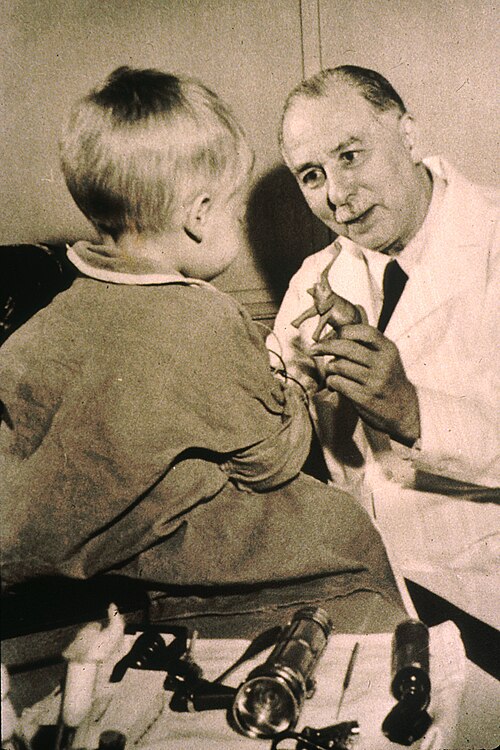
Aminopterin-induced remissions in childhood acute leukemia (1948)
Total Therapy started from Farber's aminopterin remissions, which always ended in relapse. Farber's entry shows the first drug-induced remissions of childhood leukemia in 1948.
Read this moment
Read next · built on
Aminopterin-induced remissions in childhood acute leukemia (1948)
Total Therapy started from Farber's aminopterin remissions, which always ended in relapse. Farber's entry shows the first drug-induced remissions of childhood leukemia in 1948.
Read this moment
 Today on The Clinical Times
Florida dengue outbreak appears to be largest in continental U.S. in decades
Florida has reported more than 250 locally acquired dengue cases this year, with most in Hillsborough County, according to state health officials.
Read today’s top stories
Today on The Clinical Times
Florida dengue outbreak appears to be largest in continental U.S. in decades
Florida has reported more than 250 locally acquired dengue cases this year, with most in Hillsborough County, according to state health officials.
Read today’s top stories
All 526 moments in the history of medicine. This one is in chapter 6, Trials, scanners and rights
Connected moments
How this moment links to others in the history of medicine, and what you will find in each.
-
 Same disease or problem1970MOPP combination chemotherapy for Hodgkin's diseaseBoth cured cancers once thought fatal by combining several drugs. The MOPP entry shows how four drugs cycled at full doses cured advanced Hodgkin's disease.Read this moment
-
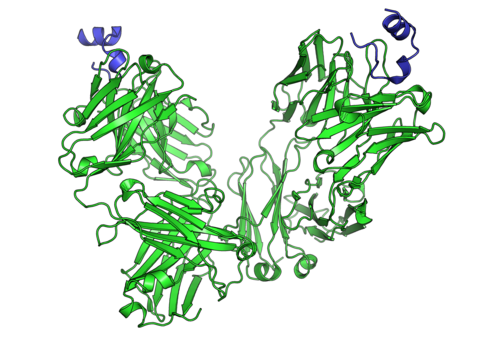 Same disease or problem2017Tisagenlecleucel (Kymriah): First FDA-Approved CAR-T Cell TherapyTotal Therapy made childhood ALL curable for most, and CAR-T offered a new answer for those who relapse. The Kymriah entry shows engineered immune cells putting 81 percent of relapsed patients into remission.Read this moment
-
 Same disease or problem1975Allogeneic bone marrow (hematopoietic stem cell) transplantation as curative therapy (Thomas)Both sought cures for acute leukemia, one through drug combinations and one by replacing the marrow. The Seattle entry shows how matched sibling marrow cured some patients after chemotherapy failed.Read this moment