Oncology
1976
Harald zur Hausen hypothesis linking HPV to cervical cancer
zur Hausen argued in 1976 that HPV, not herpesvirus, drives cervical cancer, then his lab cloned HPV-16 from tumors in 1983. The work won the 2008 Nobel and made HPV vaccines possible.

Key people
- Harald zur Hausen
- German virologist whose Freiburg group identified HPV-16 and HPV-18 in cervical tumors; later scientific director of the DKFZ; 2008 Nobel laureate.
- Lutz Gissmann
- Virologist in zur Hausen's group who cloned HPV-6 in 1979 and was a co-author of the 1983 HPV-16 paper.
- Ian Frazer
- Australian immunologist who co-developed the HPV virus-like particle vaccine technology.
- Jian Zhou
- Molecular biologist who worked with Frazer to produce the L1-based virus-like particles for vaccine use.
Source
In the mid-1970s, the dominant hypothesis in cervical cancer research held that herpes simplex virus type 2 was the causal agent. The case for herpes rested mainly on antibody studies of women with the disease. Harald zur Hausen, head of the new Institute of Clinical Virology at Erlangen-Nuremberg since 1972, took a different view after reports of genital warts turning into squamous cell carcinomas. In 1976, in a one-page paper in Cancer Research, he proposed the genital wart virus as the likelier cause, reasoning that tumor cells should carry viral DNA that a deliberate search could find.
The hypothesis was not warmly received. Zur Hausen moved to the University of Freiburg in 1977, and there in 1979 Lutz Gissmann and Ethel-Michele de Villiers cloned HPV-6 from genital warts, which was then used as a probe for related types in cancers. His students Mathias Dürst and Michael Boshart cloned HPV-16 in 1983 and HPV-18 in 1984; in the 1983 paper HPV-16 DNA was found in 11 of 18 cervical cancers from German patients but in only 2 of 33 genital warts. That year zur Hausen became scientific director of the German Cancer Research Center in Heidelberg. WHO now attributes around 76 percent of cervical cancers worldwide to the two types.
The molecular mechanism followed over the subsequent decade. Integration of HPV DNA into the host genome disrupts the viral E2 gene, removing repression of the E6 and E7 oncoproteins. E6 targets p53 for proteasomal degradation; E7 binds and inactivates the retinoblastoma protein. The result is loss of two critical tumor suppressor pathways simultaneously. Zur Hausen's early approaches to drug companies about a vaccine failed after one firm's market analysis concluded there would be no market.
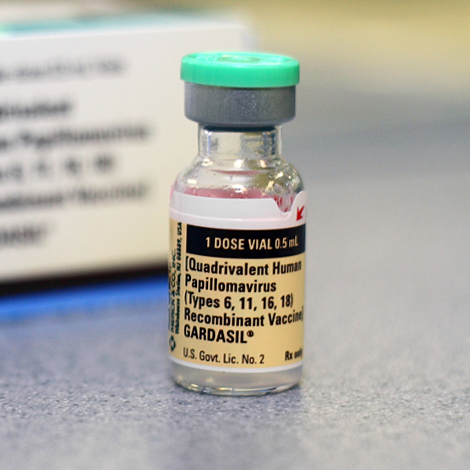
Zur Hausen received half of the 2008 Nobel Prize in Physiology or Medicine; the other half went to Francoise Barre-Sinoussi and Luc Montagnier for discovering HIV. The Nobel Assembly noted that vaccines against HPV-16 and HPV-18 give at least 95 percent protection against infection. In the United States, Gardasil, which covers types 6, 11, 16 and 18, was licensed in June 2006 and Cervarix in October 2009; both are built on virus-like particles made from the L1 capsid protein.
WHO's elimination targets for 2030 are 90 percent of girls fully vaccinated by age 15, 70 percent of women screened and 90 percent of women with precancer or cancer treated; elimination means 4 or fewer new cases per 100,000 women a year. WHO describes vaccinating girls aged 9 to 14 as highly effective at preventing infection and cervical cancer. Some countries also vaccinate boys, to reduce circulation of the virus and prevent the cancers it causes in men, and a nine-valent Gardasil was approved in the United States in 2014.
Keep exploring
 Read next · led to
FUTURE / Quadrivalent HPV Vaccine Efficacy Trials (2006)
Zur Hausen's search for viral DNA in tumors identified the HPV types the vaccine was built to block. The FUTURE trials show the vaccine cutting high-grade cervical precancers by 98 percent in uninfected women.
Read this moment
Read next · led to
FUTURE / Quadrivalent HPV Vaccine Efficacy Trials (2006)
Zur Hausen's search for viral DNA in tumors identified the HPV types the vaccine was built to block. The FUTURE trials show the vaccine cutting high-grade cervical precancers by 98 percent in uninfected women.
Read this moment
 Today on The Clinical Times
Florida dengue outbreak appears to be largest in continental U.S. in decades
Florida has reported more than 250 locally acquired dengue cases this year, with most in Hillsborough County, according to state health officials.
Read today’s top stories
Today on The Clinical Times
Florida dengue outbreak appears to be largest in continental U.S. in decades
Florida has reported more than 250 locally acquired dengue cases this year, with most in Hillsborough County, according to state health officials.
Read today’s top stories
All 526 moments in the history of medicine. This one is in chapter 6, Trials, scanners and rights
Connected moments
How this moment links to others in the history of medicine, and what you will find in each.
-
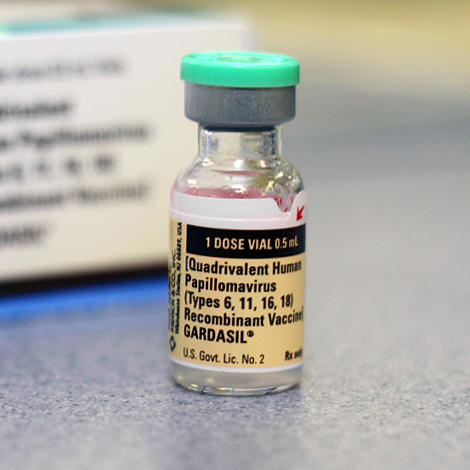 Led to2020Population evidence that HPV vaccination prevents invasive cervical cancerThe idea that a virus causes cervical cancer was borne out when vaccinating against it proved to prevent the cancer itself. The Swedish entry shows an 88 percent lower risk of invasive cervical cancer when girls were vaccinated before 17.Read this moment
-
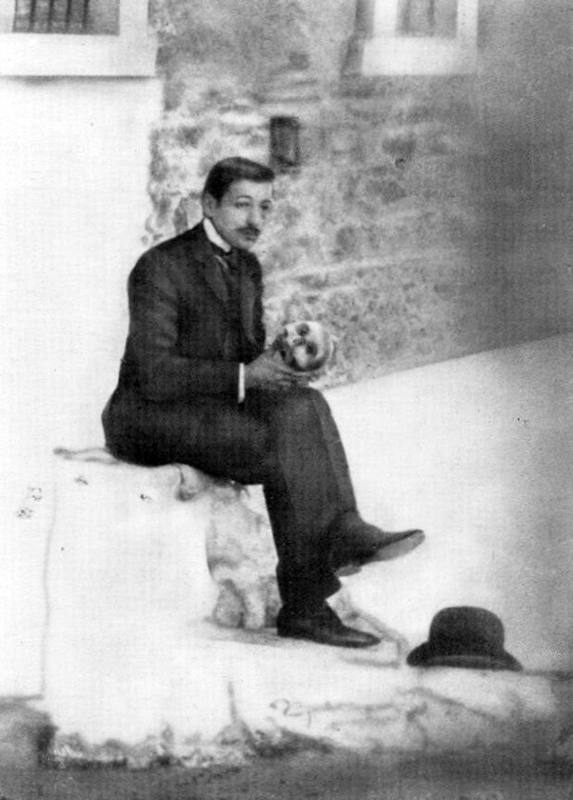 Same disease or problem1943The Papanicolaou SmearBoth fought cervical cancer, the Pap smear by catching abnormal cells early and zur Hausen by finding the virus behind them. The Pap entry shows how shed cells in a smear became the basis of screening.Read this moment
-
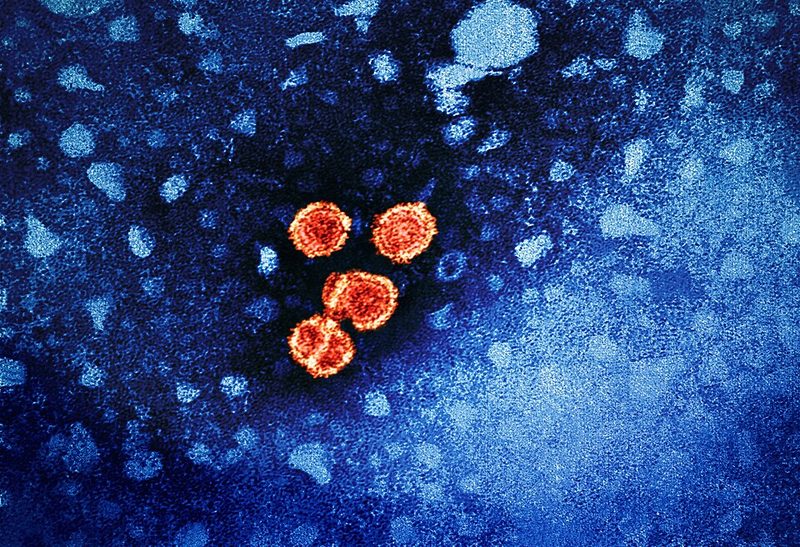 Same disease or problem1997Hepatitis B vaccine and liver cancer in TaiwanBoth showed that a virus can cause a common cancer and that vaccination can prevent it. The Taiwan entry shows liver cancer in children falling by half after universal hepatitis B vaccination.Read this moment