Genetics & Molecular
1978
Recombinant Human Insulin (synthesis of the gene)
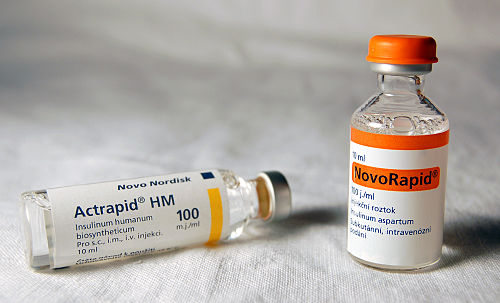
Genentech and City of Hope scientists made E. coli produce human insulin's two chains from chemically synthesized genes and joined them into insulin. Lilly's Humulin, approved in 1982, was the first commercial product of recombinant DNA.
Key people
- David Goeddel
- Genentech scientist who led the gene synthesis and bacterial expression work
- Herbert Boyer
- Genentech co-founder whose recombinant DNA methods made the project possible
- Arthur Riggs
- City of Hope chemist who collaborated on the synthetic gene construction
- Keiichi Itakura
- City of Hope scientist who synthesized the oligonucleotide gene sequences
Source
By the mid-1970s, the global supply of therapeutic insulin depended entirely on the pancreases of slaughtered pigs and cattle. The insulin itself was biologically active in humans, but it differed from human insulin at one or three amino acid positions, and a small but clinically significant fraction of patients developed antibody responses that blunted its effect or caused local reactions. Insulin made from a synthetic human gene would carry the human amino acid sequence exactly.
The solution came from the newly formed company Genentech and its collaborators at City of Hope National Medical Center in Duarte, California. In 1977 and 1978, David Goeddel and a small team at Genentech, working with Arthur Riggs and Keiichi Itakura at City of Hope, synthesized the DNA sequences encoding insulin's A chain and B chain separately, inserting each into E. coli expression vectors. The bacteria produced each chain as a fusion protein that could be cleaved and purified. The two chains were then combined chemically under oxidizing conditions to form active insulin through correct disulfide-bond pairing.
Herbert Boyer, Genentech's co-founder, had developed the cloning methods the project relied on, in work with Stanley Cohen begun in 1973 on putting recombinant plasmids into bacteria. The results were published in the Proceedings of the National Academy of Sciences in January 1979. The A chain was purified completely and the B chain partly, and after the chains were mixed, reduced and reoxidized, insulin was detected by radioimmunoassay.
Eli Lilly licensed the technology from Genentech and invested in scaling the fermentation and purification processes to pharmaceutical-grade manufacturing. The FDA approved Humulin, Lilly's recombinant human insulin, in 1982; Lilly's Irving Johnson described it as the first commercial health care product derived from recombinant DNA technology. The approval came about four years after the gene synthesis, for work that had begun before there were federal guidelines for large-scale recombinant DNA production.
The insulin project showed that bacteria could be engineered to make a human protein pure enough for patients. Later recombinant drugs, including growth hormone, erythropoietin and clotting factors, used the same steps: identify the gene, express it in a host cell, purify the product and show that it matches the natural protein. Johnson's 1983 account in Science described the steps taken to prove the product's identity and safety, and predicted that commercial uses of the technology would depend on economic conditions and investment capital.
Keep exploring
 Read next · built on
Cohen and Boyer recombinant DNA cloning (1973)
The project relied on the cloning methods Herbert Boyer had developed with Stanley Cohen from 1973. Their entry shows how cut and rejoined plasmids let bacteria copy foreign DNA.
Read this moment
Read next · built on
Cohen and Boyer recombinant DNA cloning (1973)
The project relied on the cloning methods Herbert Boyer had developed with Stanley Cohen from 1973. Their entry shows how cut and rejoined plasmids let bacteria copy foreign DNA.
Read this moment
 Today on The Clinical Times
Florida dengue outbreak appears to be largest in continental U.S. in decades
Florida has reported more than 250 locally acquired dengue cases this year, with most in Hillsborough County, according to state health officials.
Read today’s top stories
Today on The Clinical Times
Florida dengue outbreak appears to be largest in continental U.S. in decades
Florida has reported more than 250 locally acquired dengue cases this year, with most in Hillsborough County, according to state health officials.
Read today’s top stories
All 526 moments in the history of medicine. This one is in chapter 6, Trials, scanners and rights
Connected moments
How this moment links to others in the history of medicine, and what you will find in each.
-
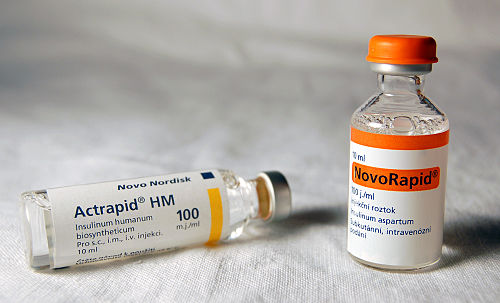 Led to1982Recombinant Human Insulin (Humulin) ApprovalLilly licensed the Genentech method and scaled it up into Humulin, approved four years after the gene synthesis. The Humulin entry shows the first commercial recombinant DNA health product replacing animal insulin.Read this moment
-
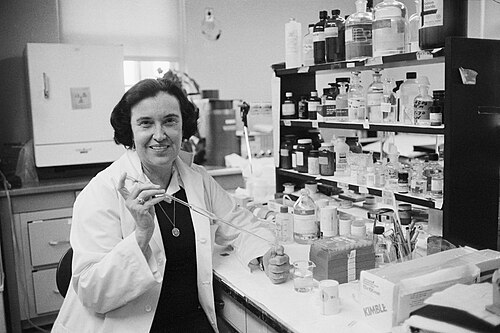 Built on1960Radioimmunoassay (RIA)When the bacterial chains were joined, the team confirmed they had made insulin by radioimmunoassay. The RIA entry shows how Yalow and Berson learned to measure insulin in tiny amounts.Read this moment
-
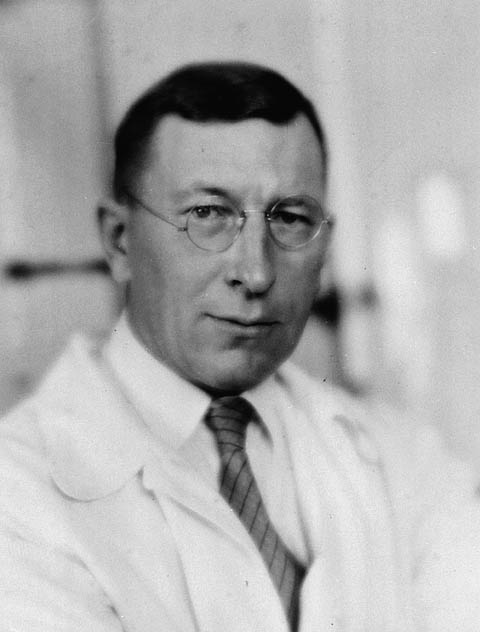 Same disease or problem1922Discovery of InsulinSince 1922 insulin had come from animal pancreases, and some patients reacted to its slightly different sequence. The discovery entry shows how Banting and Best's extract first made type 1 diabetes treatable.Read this moment