Oncology
1975
Allogeneic bone marrow (hematopoietic stem cell) transplantation as curative therapy (Thomas)
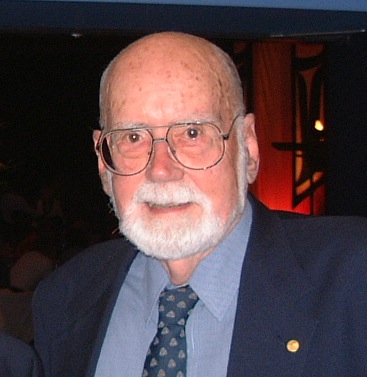
Thomas's Seattle group showed that high-dose therapy followed by marrow from an HLA-matched sibling could cure some patients with leukemia and aplastic anemia, reviving a procedure most researchers had abandoned in the 1960s.
Key people
- E. Donnall Thomas
- Seattle oncologist who developed the clinical transplant protocol; 1990 Nobel laureate.
- Rainer Storb
- Thomas's collaborator on immunosuppression protocols at the Fred Hutchinson Cancer Center.
- Joseph Ferrebee
- Worked with Thomas at Cooperstown, New York, where they began marrow grafting studies in dogs in 1955.
- Paul Terasaki
- Immunologist who developed HLA typing methods critical to donor matching.
Source
Before E. Donnall Thomas's work in Seattle, acute leukemia that no longer responded to chemotherapy and severe aplastic anemia were usually fatal. Chemotherapy could produce remissions, but in leukemia the disease arises in the bone marrow itself. Destroying the marrow with high-dose chemoradiotherapy and replacing it with a donor's cells had been explored in animals since the 1950s, but early attempts in humans failed because graft rejection and graft-versus-host disease were not yet understood. Thomas's first human report, in 1957, described only one transient graft.
Thomas and his colleagues spent years refining the method in dogs, starting at Cooperstown, New York, in 1955. The advances that mattered were better tissue typing to find HLA-matched sibling donors and methotrexate given after the graft to reduce graft-versus-host disease, an approach first reported in mice and worked out in dogs. Their 1975 review in the New England Journal of Medicine, published in two parts, set out the experimental background, the early clinical successes and the problems still unsolved. As follow-up of patients transplanted for end-stage leukemia lengthened, their survival curve reached a plateau, and by 1977 the group could speak of cure.
Graft-versus-host disease remained the central danger. Donor T cells attacking host tissue could produce a severe, sometimes fatal syndrome affecting the skin, gut, and liver. In the early sibling trials it developed in almost half of the patients despite methotrexate. Rainer Storb, working with Thomas, was first author of the 1986 trials that combined methotrexate with cyclosporine, still among the most widely used ways to prevent it. Seattle papers in 1979 and 1981 showed that the same donor immune reaction also attacked leukemia.
Skepticism ran deep: after the failures of the 1950s and 1960s, prominent immunologists doubted that the immune barrier between two people could be crossed. Transplanting leukemia patients earlier, while the disease burden was low, cut relapses. The first successful transplant from an HLA-matched unrelated donor was done in 1979, for a patient with acute lymphoblastic leukemia. Volunteer donor registries followed in the 1980s, first the Anthony Nolan register in Britain and then a national registry in the United States.
Thomas shared the 1990 Nobel Prize in Physiology or Medicine with Joseph Murray. Allogeneic transplantation is now a standard treatment for otherwise fatal blood diseases, including the acute leukemias and aplastic anemia. By 2020 close to 1.5 million hematopoietic cell transplants had been performed in more than 1,500 centers, and stem cells can now be collected from a donor's blood after G-CSF injections instead of from the marrow.
Keep exploring
 Read next · built on
HLA antigens and tissue typing (1958)
Better tissue typing to find HLA-matched sibling donors was one of the advances that made marrow transplants work. The HLA entry shows how the first white cell antigens were found and became the basis for matching.
Read this moment
Read next · built on
HLA antigens and tissue typing (1958)
Better tissue typing to find HLA-matched sibling donors was one of the advances that made marrow transplants work. The HLA entry shows how the first white cell antigens were found and became the basis for matching.
Read this moment
 Today on The Clinical Times
Florida dengue outbreak appears to be largest in continental U.S. in decades
Florida has reported more than 250 locally acquired dengue cases this year, with most in Hillsborough County, according to state health officials.
Read today’s top stories
Today on The Clinical Times
Florida dengue outbreak appears to be largest in continental U.S. in decades
Florida has reported more than 250 locally acquired dengue cases this year, with most in Hillsborough County, according to state health officials.
Read today’s top stories
All 526 moments in the history of medicine. This one is in chapter 6, Trials, scanners and rights
Connected moments
How this moment links to others in the history of medicine, and what you will find in each.
-
 Same disease or problem1954First Successful Kidney TransplantBoth had to cross the immune barrier between two people, and Thomas shared the 1990 Nobel Prize with the kidney surgeon Joseph Murray. The kidney entry shows identical twins sidestepping rejection in 1954.Read this moment
-
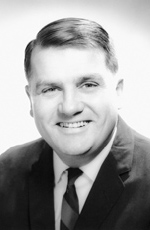 Same disease or problem1979Total Therapy / combination treatment curing childhood ALLBoth sought cures for acute leukemia, marrow transplant for patients past chemotherapy and Total Therapy through drug combinations. The Total Therapy entry shows childhood ALL survival rising from near zero to about half.Read this moment
-
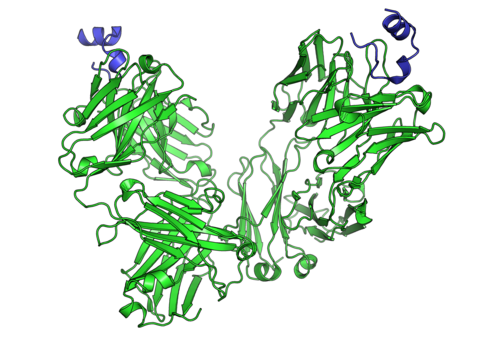 Same disease or problem2017Tisagenlecleucel (Kymriah): First FDA-Approved CAR-T Cell TherapySeattle found that donor immune cells attack leukemia, and CAR-T engineers a patient's own immune cells to do so. The Kymriah entry shows 81 percent remission in relapsed ALL, many of them after earlier stem cell transplants.Read this moment