Surgery & Anesthesia
1978
Ciclosporin in solid-organ transplantation (Calne)
Calne gave cyclosporin to seven cadaver-kidney recipients, at first as the only immunosuppressant. It controlled rejection but caused kidney and liver toxicity, so he urged caution. Combined with steroids, it helped lift one-year survival after liver transplantation from 25 to 75 percent by 1982.

Key people
- Roy Calne
- Cambridge surgeon who introduced cyclosporin into clinical transplantation
- Jean-Francois Borel
- Sandoz scientist who identified cyclosporin's immunosuppressive properties
- Thomas Starzl
- Pioneer transplant surgeon who adopted cyclosporin for liver transplantation
Source
Through the 1960s and early 1970s, kidney transplantation was technically feasible but immunologically precarious. Azathioprine and corticosteroids blunted rejection in some patients but left others in a cycle of acute rejection episodes, high-dose steroid bursts, and eventual graft loss. Liver transplantation was still experimental: in the late 1970s more liver recipients died than were saved.
Cyclosporin A, a product of the fungus Tolypocladium inflatum, came out of drug screening at Sandoz in Basel, where Jean-Francois Borel described its immunosuppressive effects; it suppressed T-cell responses without the broad cytotoxicity of earlier agents, yet the company doubted it was worth pursuing. Roy Calne at Cambridge tested it on animal organ grafts, found results better than any other regimen, and persuaded Sandoz to make enough for clinical use.
Calne reported in the Lancet in December 1978 on seven dialysis patients given kidneys from mismatched cadaver donors and treated with cyclosporin A, at first alone; a cyclophosphamide analogue was later added in six. The results were not presented as a success story. The drug inhibited rejection but was clearly toxic to kidney and liver. Five patients left hospital with working grafts, two of them without steroids; one graft was removed because of infection, and one patient died of fungal infection. The authors wrote that further careful study was needed before the drug could be recommended.
What followed was a period of careful dose-finding work at Cambridge and other centers. Thomas Starzl showed that combining cyclosporin with prednisone reduced its toxicity. From 1980 both groups used it in liver transplantation, and by 1982 one-year survival had risen from 25 percent to 75 percent. In 1983 the US Surgeon General, C. Everett Koop, declared liver transplantation no longer experimental.
The mechanistic explanation arrived in parallel with clinical use. Cyclosporin blocks calcineurin, preventing nuclear factor of activated T-cells from entering the nucleus, which suppresses IL-2 transcription and T-cell proliferation. A second calcineurin inhibitor, tacrolimus, was introduced by Starzl in 1989 and approved by the FDA in November 1993, with a similar profile and somewhat different toxicity. Calcineurin inhibitors remain the core of most solid-organ transplant maintenance regimens in current practice.
Keep exploring
 Read next · same person
Starzl and the first liver transplants (1963)
Thomas Starzl, who first attempted liver transplants in 1963, showed that cyclosporin worked better with prednisone. The liver entry shows how every early patient died before the drug changed survival.
Read this moment
Read next · same person
Starzl and the first liver transplants (1963)
Thomas Starzl, who first attempted liver transplants in 1963, showed that cyclosporin worked better with prednisone. The liver entry shows how every early patient died before the drug changed survival.
Read this moment
 Today on The Clinical Times
Florida dengue outbreak appears to be largest in continental U.S. in decades
Florida has reported more than 250 locally acquired dengue cases this year, with most in Hillsborough County, according to state health officials.
Read today’s top stories
Today on The Clinical Times
Florida dengue outbreak appears to be largest in continental U.S. in decades
Florida has reported more than 250 locally acquired dengue cases this year, with most in Hillsborough County, according to state health officials.
Read today’s top stories
All 526 moments in the history of medicine. This one is in chapter 6, Trials, scanners and rights
Connected moments
How this moment links to others in the history of medicine, and what you will find in each.
-
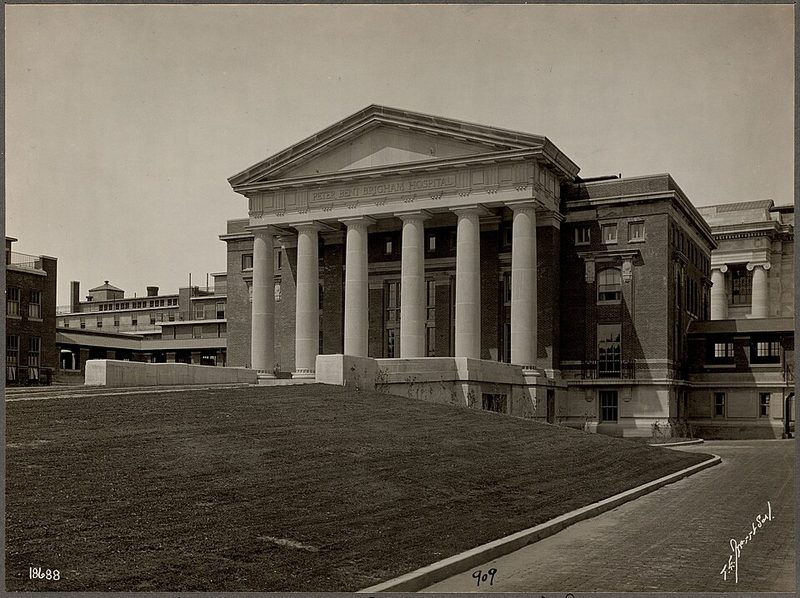 Built on1954First Successful Kidney TransplantCalne tested cyclosporin in kidney transplants, the field the 1954 twins' operation had opened. The kidney entry shows how identical twins sidestepped rejection and how drugs later made unrelated donors possible.Read this moment
-
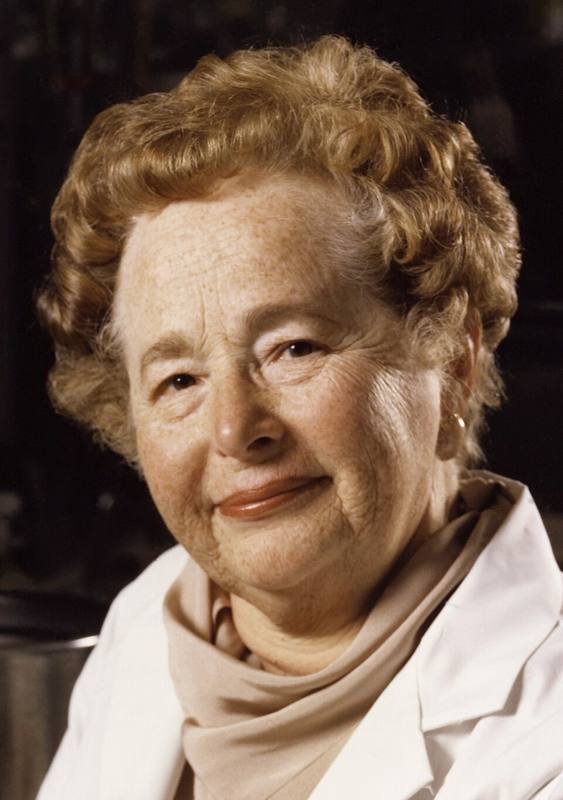 Same disease or problem1988Elion, Hitchings and rational drug designBefore cyclosporin, transplants relied on azathioprine, one of the drugs Elion and Hitchings designed. Their entry shows how studying nucleic acid chemistry produced that drug and several others.Read this moment
-
 Same disease or problem1967First Human Heart TransplantHeart transplant survival stayed poor until cyclosporine arrived, then rose above 80 percent. The Barnard entry shows the first heart transplant and the rejection problem that defined the field.Read this moment