Surgery & Anesthesia
1967
First Human Heart Transplant
Barnard showed in 1967 that a diseased human heart could be removed and replaced. Washkansky lived 18 days, dying of pneumonia while immunosuppressed, which set the field's central problem: controlling rejection without killing the patient.
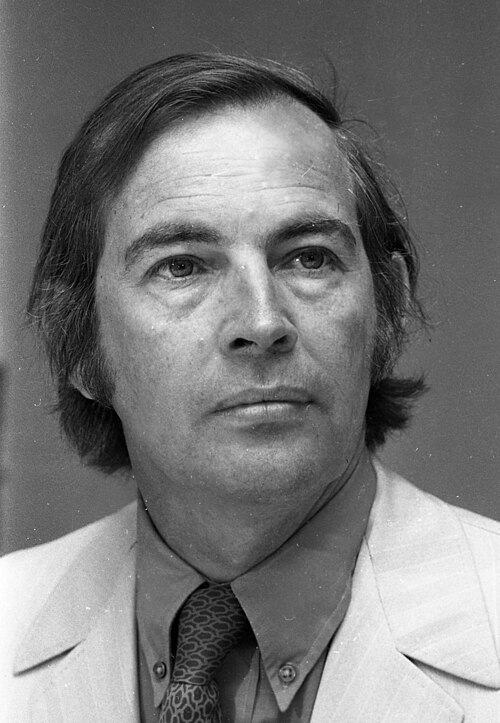
Key people
- Christiaan Barnard
- South African surgeon who performed the first human cardiac transplant.
- Louis Washkansky
- First human heart transplant recipient; survived 18 days.
- Denise Darvall
- Donor whose heart was transplanted into Washkansky.
- Norman Shumway
- Stanford surgeon whose laboratory technique formed the basis for human cardiac transplantation.
Source
In the early hours of December 3, 1967, Christiaan Barnard and his team at Groote Schuur Hospital in Cape Town carried out the first transplant of a heart from one human being to another. The donor was Denise Darvall, a 25-year-old woman who had been struck by a car earlier that day and suffered a fatal brain injury; her mother died at the scene. Barnard waited until her heart stopped beating, then kept it perfused with cold oxygenated blood from a heart-lung machine and transplanted it into Louis Washkansky, 54, whose heart was failing after several heart attacks linked to diabetes and smoking. The operation took nearly five hours, and the new heart worked well.
Barnard had trained in heart surgery with Walton Lillehei at the University of Minnesota from 1956 to 1958. The transplant technique itself came from Norman Shumway and Richard Lower at Stanford, who had performed hundreds of experimental heart transplants in dogs since the late 1950s, using the heart-lung machine and topical cooling. What Barnard did in Cape Town was apply that technique in a human patient, at a time when the immunology of organ rejection remained poorly understood and the drugs available to prevent it were crude by later standards.
Washkansky received local irradiation, azathioprine, prednisone and actinomycin to prevent rejection. He developed severe pneumonia and septicemia and died on the 18th day after the operation, having been given stronger immunosuppression for what was thought to be rejection. That outcome defined the central clinical problem the field would struggle with for the next fifteen years: the immunosuppression needed to prevent graft loss was itself lethal when infection arrived.
The global reaction was intense. Three days after Barnard's operation, Adrian Kantrowitz transplanted a heart into an 18-day-old infant, and Shumway performed the first adult heart transplant in the United States in January 1968. Between 1968 and 1970, 64 surgical teams in 24 countries performed 166 heart transplants, but one-year survival was only 18 percent. The American Medical Association recommended a moratorium in 1970, and most major centers stopped; a few, including Shumway's program at Stanford, persisted.
The FDA's approval of cyclosporine in 1983 changed the arithmetic. By inhibiting T-cell activation selectively, cyclosporine prevented rejection with fewer systemic side effects than earlier regimens, and one-year survival after heart transplantation rose from less than 50 percent to more than 80 percent. The operation Barnard had first performed in December 1967 became a standard treatment for end-stage heart failure.
Keep exploring
 Read next · built on
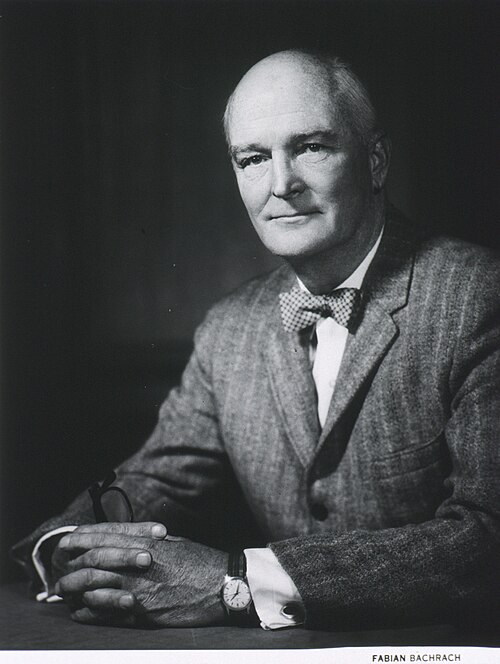
First Successful Open-Heart Surgery Using the Heart-Lung Machine (1953)
Barnard kept the donor heart perfused with a heart-lung machine, the device that made open heart surgery possible. Gibbon's entry shows the first successful operation using the machine in 1953.
Read this moment
Read next · built on
First Successful Open-Heart Surgery Using the Heart-Lung Machine (1953)
Barnard kept the donor heart perfused with a heart-lung machine, the device that made open heart surgery possible. Gibbon's entry shows the first successful operation using the machine in 1953.
Read this moment
 Today on The Clinical Times
Florida dengue outbreak appears to be largest in continental U.S. in decades
Florida has reported more than 250 locally acquired dengue cases this year, with most in Hillsborough County, according to state health officials.
Read today’s top stories
Today on The Clinical Times
Florida dengue outbreak appears to be largest in continental U.S. in decades
Florida has reported more than 250 locally acquired dengue cases this year, with most in Hillsborough County, according to state health officials.
Read today’s top stories
All 526 moments in the history of medicine. This one is in chapter 6, Trials, scanners and rights
Connected moments
How this moment links to others in the history of medicine, and what you will find in each.
-
 Same disease or problem1978Ciclosporin in solid-organ transplantation (Calne)Washkansky died of infection under crude immunosuppression, and cyclosporine later made rejection controllable. The ciclosporin entry shows Calne's first trials and the drug's toxicity trade-offs.Read this moment
-
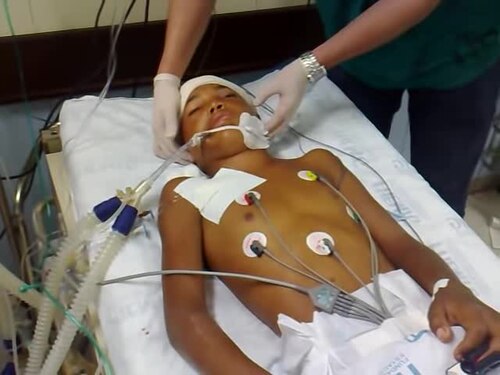 Same disease or problem1968Harvard Criteria for Brain DeathBarnard waited for his brain-injured donor's heart to stop, and a year later Harvard defined death by the brain. That entry shows the criteria that made later organ procurement possible.Read this moment
-
 Built on1954First Successful Kidney TransplantThe kidney transplant of 1954 first showed that an organ could be moved from one person to another. The Herrick twins' entry shows how identical twins sidestepped rejection and opened the clinical field.Read this moment