Genetics & Molecular
1975
Southern blot: DNA detection by gel transfer and hybridization
Southern's method let labs locate a specific DNA sequence among fragments separated by size. It was used for prenatal diagnosis of sickle cell disease by 1978 and inspired the northern and western blots and, later, DNA microarrays.
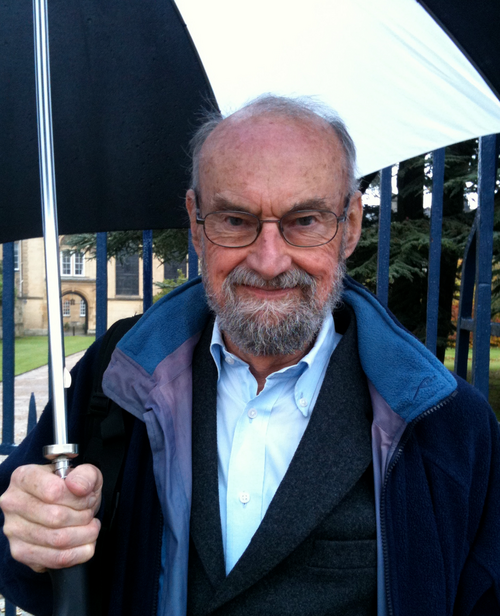
Key people
- Edwin Southern
- British molecular biologist at Edinburgh who developed the gel-transfer hybridization method.
- Yuet Wai Kan
- UCSF hematologist who first applied Southern blotting to prenatal diagnosis of sickle cell disease.
- Alec Jeffreys
- British geneticist who extended restriction fragment analysis toward DNA fingerprinting in the 1980s.
Source
In 1975, molecular biologists could cut genomic DNA into fragments with restriction enzymes and separate those fragments by size on an agarose gel. What they could not do was identify which band among hundreds contained a specific sequence of interest. Edwin Southern, at the Medical Research Council's Mammalian Genome Unit in Edinburgh, solved that problem with a simple approach: transfer the fragments from the gel onto a membrane that could then be probed with radioactive RNA complementary to the target sequence.
The mechanics of the Southern blot relied on capillary action. A stack of absorbent paper drew buffer upward through the gel, carrying the DNA fragments with it and depositing them on a nitrocellulose membrane placed directly above. The membrane was then incubated with a radiolabeled RNA probe that stuck only to the complementary sequence. Autoradiography revealed the position of the target band. Southern published the method in the Journal of Molecular Biology in 1975; thirty years later it was the most highly cited paper in that journal's history.
DNA diagnosis before blotting was crude: in 1976 Yuet Wai Kan and colleagues diagnosed alpha-thalassemia before birth by measuring, through solution hybridization, how many alpha-globin genes the fetal DNA carried. Blotting let researchers see individual fragments. In 1978 Kan and Andree Dozy found that a 13.0-kilobase HpaI fragment carrying the beta-globin gene, instead of the usual 7.6-kilobase fragment, often traveled with the sickle mutation, and they used it to diagnose sickle cell trait in DNA from amniotic fluid cells. They proposed such restriction-site differences as a new class of genetic marker for linkage studies.
The name prompted a tradition of naming analogous techniques geographically. Northern blotting, which applies the same transfer-and-hybridize logic to RNA, and Western blotting, which does so for proteins after SDS-PAGE separation, were named by analogy. Neither technique was developed by anyone named Northern or Western. Southern himself went on to conceive DNA microarrays, tiny arrays of short DNA sequences that allow many hybridization tests to run in parallel.
Alec Jeffreys used Southern blotting to develop DNA fingerprinting, first applied in 1985 to an immigration case in which it showed that a boy facing deportation was his mother's son. Fingerprinting was soon used to solve crimes and settle paternity disputes. Blotting was also used heavily in mapping the human genome, and in 2005 Southern and Jeffreys shared the Lasker Award for Clinical Medical Research.
Keep exploring
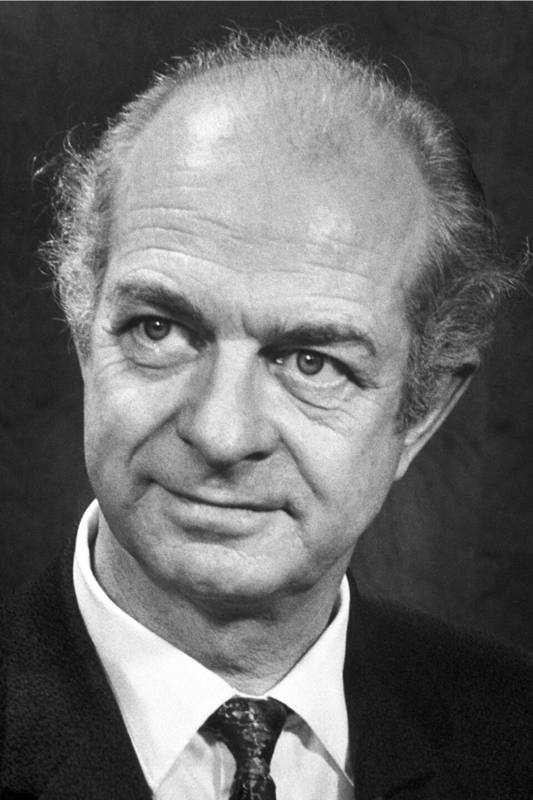 Read next · same disease or problem
Sickle cell anemia as a molecular disease (1949)
By 1978 Southern blotting diagnosed sickle cell trait before birth from fetal DNA. The 1949 entry shows how sickle cell became the first disease traced to an abnormal protein.
Read this moment
Read next · same disease or problem
Sickle cell anemia as a molecular disease (1949)
By 1978 Southern blotting diagnosed sickle cell trait before birth from fetal DNA. The 1949 entry shows how sickle cell became the first disease traced to an abnormal protein.
Read this moment
 Today on The Clinical Times
Florida dengue outbreak appears to be largest in continental U.S. in decades
Florida has reported more than 250 locally acquired dengue cases this year, with most in Hillsborough County, according to state health officials.
Read today’s top stories
Today on The Clinical Times
Florida dengue outbreak appears to be largest in continental U.S. in decades
Florida has reported more than 250 locally acquired dengue cases this year, with most in Hillsborough County, according to state health officials.
Read today’s top stories
All 526 moments in the history of medicine. This one is in chapter 6, Trials, scanners and rights
Connected moments
How this moment links to others in the history of medicine, and what you will find in each.
-
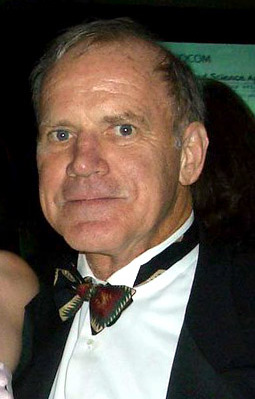 Same disease or problem1985Polymerase Chain Reaction (PCR)Both found a chosen DNA sequence among many, and both were first used to diagnose sickle cell anemia before birth. The PCR entry shows how copying DNA millions of times made genetic testing routine.Read this moment
-
 Led to2001Human Genome Project: First Draft Human Genome SequenceSouthern blotting was used heavily in mapping the human genome. The first draft entry shows the reference sequence released free to clinicians and researchers in 2001.Read this moment