Critical & Organ Care
1975
Extracorporeal membrane oxygenation (ECMO) for neonatal respiratory failure (Bartlett)
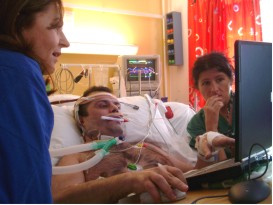
In 1975 Bartlett's team kept a newborn with meconium aspiration alive on an external heart-lung circuit for days until her lungs recovered. Randomized trials in newborns followed, and in 2009 the CESAR trial showed a survival benefit in selected adults with severe respiratory failure.
Key people
- Robert Bartlett
- Surgeon at UC Irvine who performed the first successful neonatal ECMO run in 1975.
- J. Donald Hill
- Surgeon whose team achieved the first successful prolonged extracorporeal support for adult respiratory failure, in 1971.
- Alan Gazzaniga
- Surgeon and co-author of Bartlett's 1977 and 1982 neonatal ECMO reports.
Source
J Thorac Cardiovasc Surg, 1977 (first clinical series; index case 1975) (opens in a new tab)
In 1975, a newborn with severe meconium aspiration syndrome was unable to maintain adequate oxygenation on conventional mechanical ventilation. At one day old she was placed on venoarterial ECMO by Robert Bartlett's team at the University of California, Irvine. The baby, called Esperanza, Spanish for hope, came off the circuit after about six days, had her patent ductus arteriosus ligated, and recovered fully; she later had two children of her own. It was the first successful neonatal ECMO case, although Bartlett did not publish the case report until 2017.
The principle behind ECMO was not new: cardiopulmonary bypass had kept patients alive during open-heart surgery since 1953, and in 1971 J. Donald Hill's team had used prolonged extracorporeal support to save an adult with respiratory failure. Extending that support from hours to days for newborns with reversible lung disease required a different approach. Bartlett's team drained blood from the right jugular vein and returned it to the carotid artery at about 80 percent of cardiac output, with heparin infused continuously, so that inspired oxygen and airway pressure could be turned down and the lungs rested.
Skepticism within neonatology was substantial. The circuit required systemic heparin, and in the 1977 series of 16 infants intracranial bleeding occurred in 43 percent and caused most of the deaths; among 21 infants given conventional ventilation, 57 percent bled and 90 percent died. Case series with outside comparison groups could not show whether ECMO itself saved lives. Bartlett's 1985 randomized trial used a play-the-winner design, in which each result shifted the odds for the next assignment: one infant was assigned to conventional treatment and died, and all 11 assigned to ECMO survived. O'Rourke's 1989 randomized trial also found a survival benefit.
Bartlett's group reported 45 moribund newborns in 1982, of whom 25 survived, including 15 of 22 with meconium aspiration. By 1986, 18 neonatal centers in the United States had ECMO teams. The Extracorporeal Life Support Organization, founded in New Orleans in 1989, collects registry data from member centers and publishes guidelines.
The application broadened over subsequent decades. In the 1990s neonatal ECMO reached an overall survival rate of 85 percent, and a UK collaborative randomized trial in 1996 confirmed its effectiveness; neonatal case numbers peaked in that decade and then fell as ventilation improved. In 2009 the CESAR trial showed a survival benefit in carefully selected adults with severe respiratory failure, and during that year's H1N1 influenza pandemic an Australian series reported almost 80 percent survival on ECMO.
Keep exploring
 Read next · built on
First Successful Open-Heart Surgery Using the Heart-Lung Machine (1953)
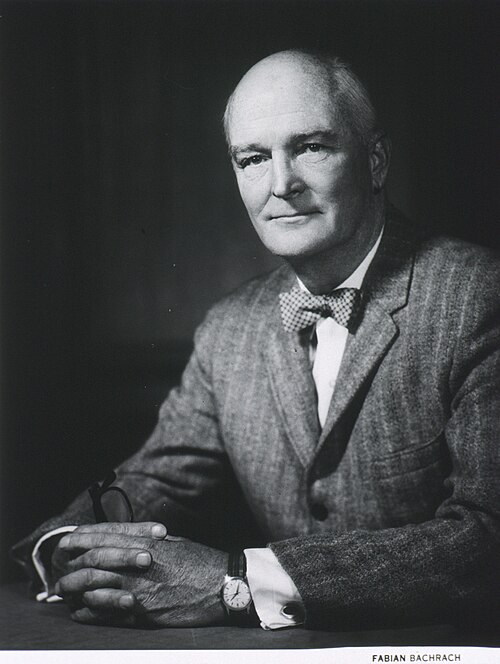
ECMO stretched the cardiopulmonary bypass used in open heart surgery since 1953 from hours to days. Gibbon's entry shows his heart-lung machine keeping a young woman alive while he repaired her heart.
Read this moment
Read next · built on
First Successful Open-Heart Surgery Using the Heart-Lung Machine (1953)
ECMO stretched the cardiopulmonary bypass used in open heart surgery since 1953 from hours to days. Gibbon's entry shows his heart-lung machine keeping a young woman alive while he repaired her heart.
Read this moment
 Today on The Clinical Times
Florida dengue outbreak appears to be largest in continental U.S. in decades
Florida has reported more than 250 locally acquired dengue cases this year, with most in Hillsborough County, according to state health officials.
Read today’s top stories
Today on The Clinical Times
Florida dengue outbreak appears to be largest in continental U.S. in decades
Florida has reported more than 250 locally acquired dengue cases this year, with most in Hillsborough County, according to state health officials.
Read today’s top stories
All 526 moments in the history of medicine. This one is in chapter 6, Trials, scanners and rights
Connected moments
How this moment links to others in the history of medicine, and what you will find in each.
-
 Built on1937Heparin as an injectable anticoagulantECMO needed continuous heparin to keep blood from clotting in the circuit, at the cost of bleeding. The heparin entry shows how a purified anticoagulant made bypass and dialysis circuits possible.Read this moment
-
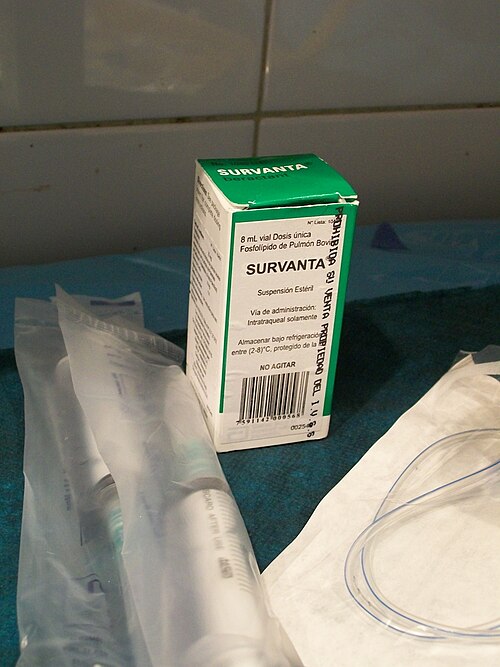 Same disease or problem1980Exogenous surfactant therapy for neonatal respiratory distress syndrome (Fujiwara)Both rescued newborns whose lungs were failing, ECMO by resting the lungs and surfactant by helping them work. The surfactant entry shows Fujiwara's first premature infants breathing better after treatment.Read this moment
-
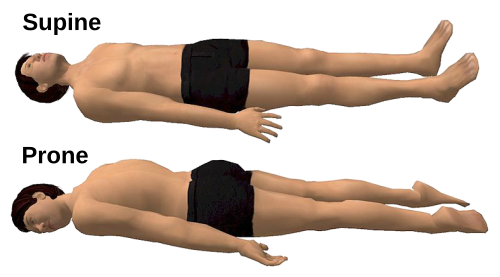 Same disease or problem2013PROSEVA prone positioning in severe ARDSECMO later helped selected adults with severe respiratory failure, the patients PROSEVA treated by turning them face down. That entry shows prone positioning cutting deaths in severe ARDS by half.Read this moment