Critical & Organ Care
1971
Naloxone approved as an opioid overdose antidote
FDA approved injectable naloxone in 1971 as the first specific opioid-overdose reversal agent. It became standard in ambulances and ERs, then moved into community take-home programs as overdose deaths climbed.

Key people
- Jack Fishman
- Chemist at Endo Laboratories who synthesized naloxone in 1960.
- Mozes Lewenstein
- Co-inventor of naloxone at Endo Laboratories.
Source
Before naloxone, opioid overdose reversal depended on supportive care: airway management, mechanical ventilation if available, and waiting. The partial agonist nalorphine had been used experimentally as an antagonist since the 1950s, but it carried its own respiratory depressant effects and a narrow therapeutic window that limited clinical confidence. A clean, pure antagonist with no agonist activity was a recognized need.
Jack Fishman and Mozes Lewenstein at Endo Laboratories in New York synthesized naloxone hydrochloride in 1960. The molecule's structure differed from oxymorphone by a single N-allyl substitution, but that substitution conferred high affinity for mu-opioid receptors with no intrinsic agonist activity. Animals receiving lethal morphine doses were fully resuscitated within minutes of injection. The FDA approved injectable naloxone in 1971, making it the first truly specific opioid reversal agent.
In its first two decades, naloxone functioned almost entirely as a hospital and prehospital tool. Paramedics carried it routinely; emergency departments used it to rapidly distinguish opioid coma from other causes of altered consciousness. The drug's short half-life, often no more than 60 to 90 minutes, was shorter than many of the opioids it reversed, particularly methadone and long-acting synthetic opioids. That mismatch required careful observation and sometimes repeat dosing, which reinforced its association with monitored clinical settings.
The opioid overdose epidemic of the 2000s and 2010s forced a reassessment of that clinical framing. Tens of thousands of deaths were occurring outside hospitals, often without any trained responder present. Harm-reduction programs began distributing injectable naloxone kits to people who used opioids and to their families, and several studies documented successful reversals by laypeople with no medical training. The FDA approved an intranasal formulation in 2015 and an over-the-counter version in 2023, removing the prescription requirement entirely.
Auto-injector devices designed for use without any training entered the market beginning in 2014 under brand names including Evzio, which delivered verbal instructions guiding the user through the injection. By the early 2020s, naloxone distribution had become a mandated component of opioid prescribing programs in several U.S. states, and co-prescription with opioid analgesics was recommended in many clinical guidelines. The drug's expansion from hospital formulary to retail pharmacy shelf tracked the scale of the overdose crisis more closely than any planned policy rollout.
Keep exploring
 Read next · same disease or problem
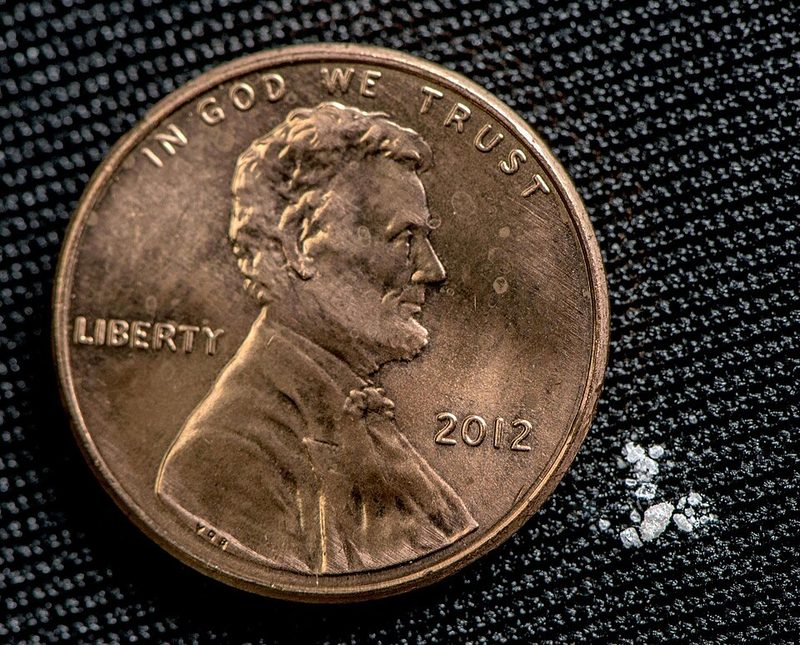
US opioid overdose epidemic and the fentanyl wave (2021)
The overdose epidemic moved naloxone from hospitals into the hands of families and bystanders. The fentanyl entry shows overdose deaths passing 100,000 a year, with the rate up almost fivefold since 2001.
Read this moment
Read next · same disease or problem
US opioid overdose epidemic and the fentanyl wave (2021)
The overdose epidemic moved naloxone from hospitals into the hands of families and bystanders. The fentanyl entry shows overdose deaths passing 100,000 a year, with the rate up almost fivefold since 2001.
Read this moment
 Today on The Clinical Times
Florida dengue outbreak appears to be largest in continental U.S. in decades
Florida has reported more than 250 locally acquired dengue cases this year, with most in Hillsborough County, according to state health officials.
Read today’s top stories
Today on The Clinical Times
Florida dengue outbreak appears to be largest in continental U.S. in decades
Florida has reported more than 250 locally acquired dengue cases this year, with most in Hillsborough County, according to state health officials.
Read today’s top stories
All 526 moments in the history of medicine. This one is in chapter 6, Trials, scanners and rights
Connected moments
How this moment links to others in the history of medicine, and what you will find in each.
-
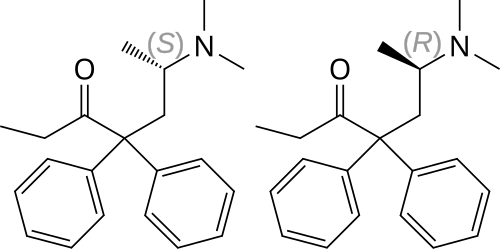 Same disease or problem1965Methadone maintenance treatment for heroin addiction (Dole and Nyswander)Methadone treats opioid addiction, and naloxone reverses opioid overdose, though its short action can wear off before methadone's. The methadone entry shows Dole and Nyswander treating heroin addiction as a chronic medical disease.Read this moment
-
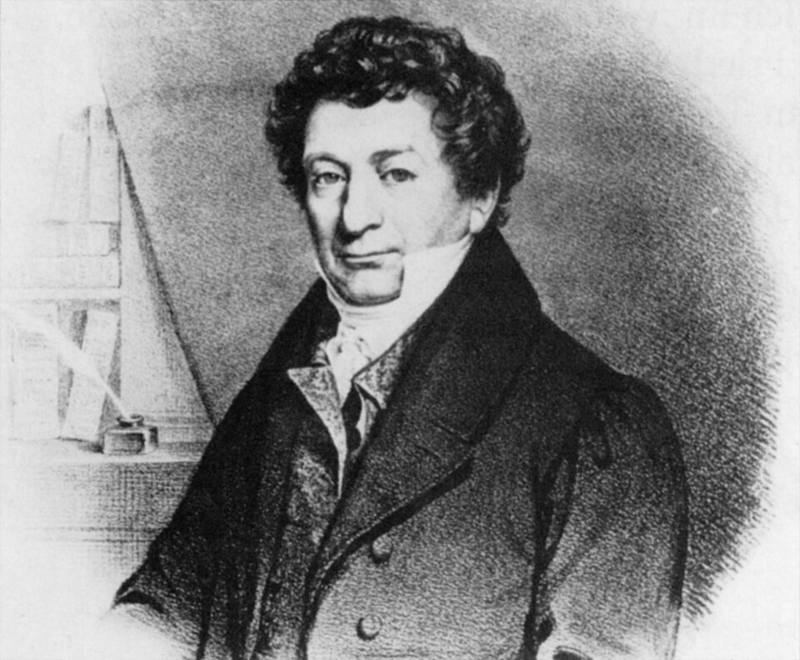 Same disease or problemc. 1805Sertürner's isolation of morphinePure morphine let doctors give a measured opioid dose, and naloxone finally gave a specific antidote when a dose proved too much. Sertürner's entry shows the first alkaloid isolated from a plant, crystallized from opium.Read this moment
- Same disease or problem2016CDC guideline for prescribing opioids for chronic painThe 2016 guideline told clinicians to consider naloxone alongside opioid prescriptions. It shows CDC's push to curb opioid prescribing and the harm caused when the advice was applied too rigidly.Read this moment