Public Health
1964
Surgeon General's Report on Smoking and Health
Released January 11, 1964, the report of the Surgeon General's advisory committee concluded that cigarette smoking causes lung cancer in men, confirming a position the Public Health Service had stated in 1957. It estimated a 9-to-10-fold cancer risk in average smokers and set off the federal warning labels and ad bans that followed.
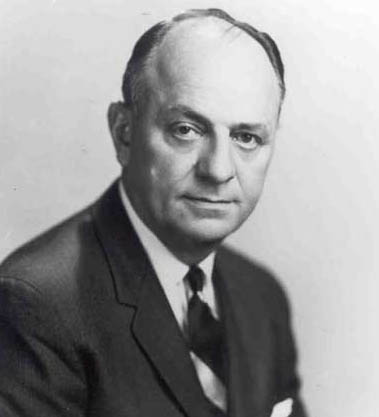
Key people
- Luther Terry
- U.S. Surgeon General who convened the advisory committee and released the report
- Evarts Graham
- Thoracic surgeon whose 1950 case-control study with Wynder anchored the evidence
- Richard Doll
- British epidemiologist whose prospective cohort data supported the case against smoking
- Ernst Wynder
- Researcher who wrote the 1950 case-control study linking smoking to lung cancer with Graham
- Austin Bradford Hill
- Statistician who ran the British Doctors Study with Doll
Source
In 1963 annual cigarette consumption in the United States reached 4,345 per adult, up from 54 in 1900. The tobacco industry had spent more than a decade deflecting accumulating epidemiological evidence, partly by funding its own research and partly by casting the causal question as scientifically unresolved. The evidence was not, in fact, unresolved. Ernst Wynder and Evarts Graham had published a case-control study in 1950, Richard Doll and Austin Bradford Hill had produced prospective cohort data from British physicians, and in 1957 Surgeon General Leroy Burney declared that the evidence pointed to a causal link with lung cancer. In June 1961 the American Cancer Society, the American Heart Association, the National Tuberculosis Association and the American Public Health Association pressed the Kennedy administration for action.
Surgeon General Luther Terry announced a ten-member advisory committee in June 1962 and charged it with reviewing the literature comprehensively. Members qualified only if they had taken no previous stand on tobacco. Meeting at the National Library of Medicine from November 1962 to January 1964, they reviewed more than 7,000 articles with the help of more than 150 consultants. Terry released the report on Saturday, January 11, 1964, a day chosen to minimize the effect on the stock market and to maximize coverage in the Sunday papers.
The committee's findings were direct: cigarette smoking causes lung cancer in men and is the most important cause of chronic bronchitis. Average smokers had a nine- to tenfold risk of lung cancer, and heavy smokers at least a twentyfold risk. The report also linked smoking to emphysema and coronary heart disease and noted that smoking in pregnancy lowered birth weight. Those conclusions drew on multiple independent lines of evidence: animal experiments, autopsy pathology, epidemiological cohorts, and clinical series.
The political response followed. In 1965 Congress required a health warning on every cigarette package sold in the United States, and from 1970 the warning carried the Surgeon General's name. Broadcast advertising for cigarettes was banned from 1971. Smoking prevalence among U.S. adults, 42.4 percent in 1965, fell to 12.5 percent in 2020.
The report itself proposed no remedies. It called smoking a health hazard serious enough to warrant remedial action and left the choice of action to politicians. On one question the committee hedged: it described the tobacco habit as a habituation, not an addiction, partly because the addictive properties of nicotine were not yet fully understood and partly because its members disagreed over the meaning of addiction.
Keep exploring
 Read next · built on
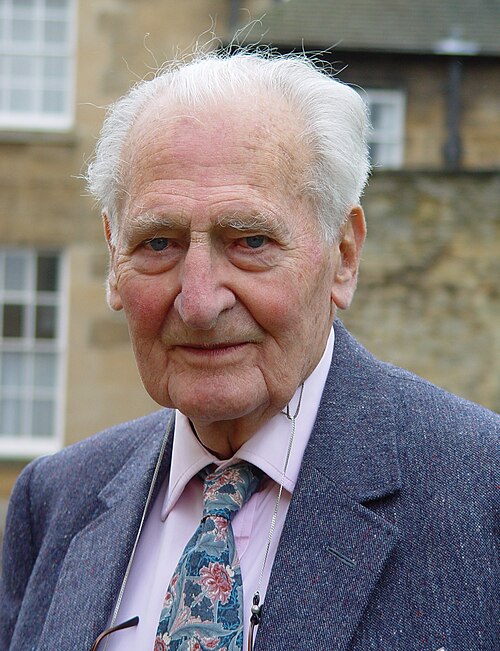
Doll and Hill smoking and lung cancer case-control study (1950)
The committee rested its verdict on evidence such as the 1950 case-control studies linking cigarettes to lung cancer. Doll and Hill's entry shows risk rising with every cigarette, to 25 times in the heaviest smokers.
Read this moment
Read next · built on
Doll and Hill smoking and lung cancer case-control study (1950)
The committee rested its verdict on evidence such as the 1950 case-control studies linking cigarettes to lung cancer. Doll and Hill's entry shows risk rising with every cigarette, to 25 times in the heaviest smokers.
Read this moment
 Today on The Clinical Times
Florida dengue outbreak appears to be largest in continental U.S. in decades
Florida has reported more than 250 locally acquired dengue cases this year, with most in Hillsborough County, according to state health officials.
Read today’s top stories
Today on The Clinical Times
Florida dengue outbreak appears to be largest in continental U.S. in decades
Florida has reported more than 250 locally acquired dengue cases this year, with most in Hillsborough County, according to state health officials.
Read today’s top stories
All 526 moments in the history of medicine. This one is in chapter 6, Trials, scanners and rights
Connected moments
How this moment links to others in the history of medicine, and what you will find in each.
-
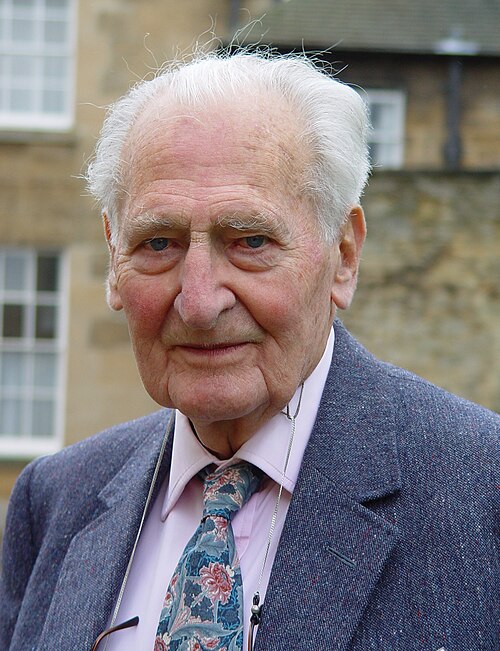 Built on1954British Doctors Study (Doll and Hill prospective cohort)Doll and Hill's prospective data from British physicians were among the lines of evidence the report weighed. That entry shows 40,000 doctors followed for 50 years, with lifelong smokers dying about ten years early.Read this moment
-
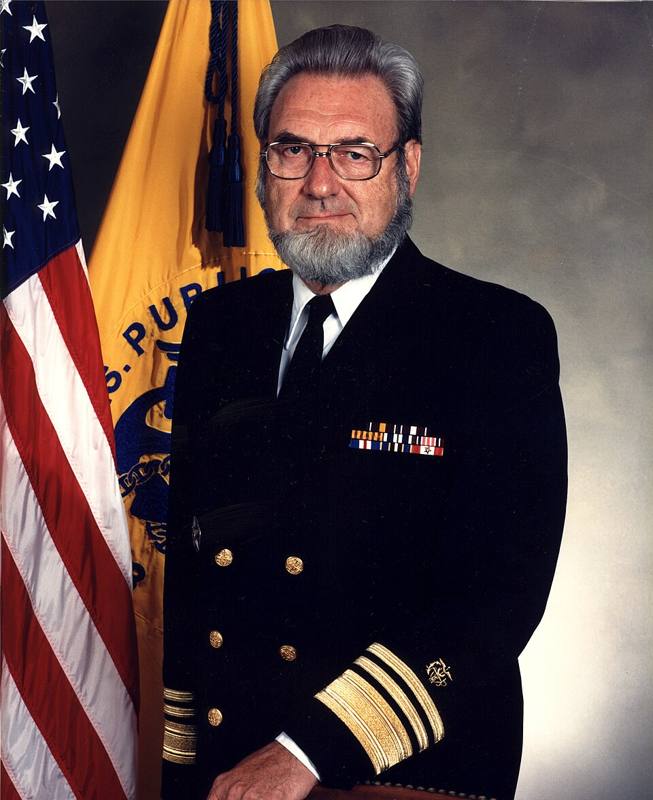 Same disease or problem1986Surgeon General's report on involuntary smokingTwenty two years after the 1964 report, a later Surgeon General turned to smoke breathed by nonsmokers. Koop's report shows involuntary smoking causing lung cancer and harming children, even with smokers separated in one room.Read this moment
-
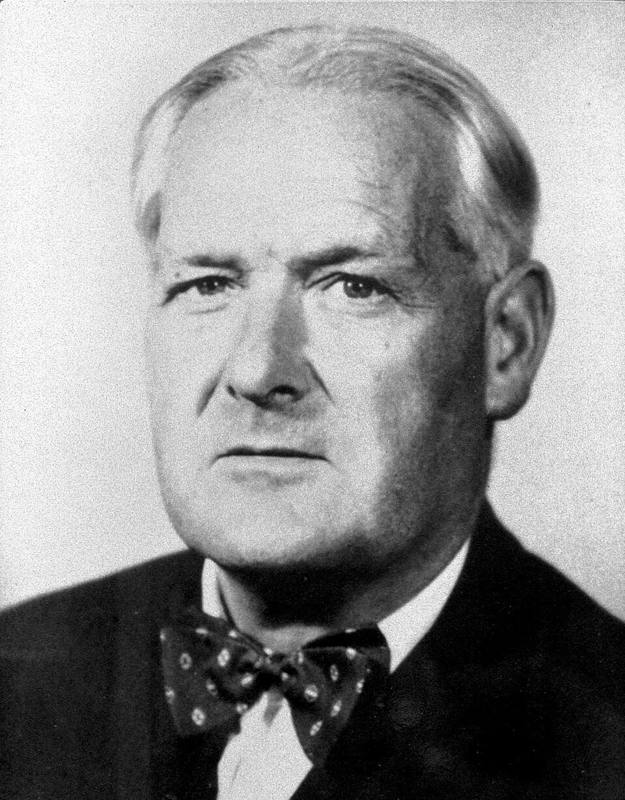 Same person1965Bradford Hill criteria for causationBradford Hill, whose smoking data the report used, set out a year later how to judge when an association means cause. His nine criteria show the reasoning behind verdicts like the one on cigarettes.Read this moment