Reproductive Health
1971
Diethylstilbestrol (DES) and Vaginal Clear-Cell Adenocarcinoma
Herbst tied eight cases of vaginal clear-cell adenocarcinoma in young women to their mothers' use of DES in pregnancy, the first proof a drug taken in utero could cause cancer years later and the basis for ending DES use in pregnancy.

Key people
- Arthur Herbst
- Gynecologic oncologist who identified the DES-vaginal adenocarcinoma association.
- David Poskanzer
- Epidemiologist who co-designed the 1971 case-control study linking DES to the tumors.
- Howard Ulfelder
- Chief of gynecology at Massachusetts General Hospital and co-author of the 1971 report.
Source
Vaginal clear-cell adenocarcinoma had been documented in the medical literature but was considered a curiosity, occurring almost exclusively in women over 50. When a gynecologic oncologist at Massachusetts General Hospital named Arthur Herbst encountered cases of the tumor in young women in the late 1960s, the clustering was immediately suspicious. Between 1966 and 1969, eight cases appeared at MGH in women between 15 and 22 years old, a concentration that had no obvious explanation and bore no resemblance to the usual epidemiology of the disease.
Herbst and David Poskanzer, an epidemiologist at Massachusetts General Hospital, designed a case-control study comparing the eight affected young women to matched controls without the tumor. Howard Ulfelder, chief of gynecology at the hospital, was a co-author on the work, which was published in the New England Journal of Medicine in April 1971. The histories of the patients' mothers revealed the connection: seven of the eight mothers had taken diethylstilbestrol during pregnancy, typically in the first trimester. DES had been prescribed widely from the late 1940s onward under the belief that it prevented miscarriage, a hypothesis that large controlled trials, including a double-blind study published in 1953, had already failed to support. The drug continued to be prescribed despite that evidence.
The finding was the first clear clinical demonstration of transplacental carcinogenesis in humans: a drug taken by a pregnant woman had caused cancer in her daughter, with a latency of 15 to 20 years between exposure and tumor development. The mechanism remained under investigation for years, but the association between first-trimester DES exposure and clear-cell adenocarcinoma was strong enough that the FDA issued a warning against using DES in pregnancy in 1971, and prescribing for this indication stopped almost immediately in the United States.
The initial concern was adenocarcinoma, but surveillance of the DES-exposed cohort revealed a broader spectrum of effects. DES daughters had substantially higher rates of vaginal adenosis, ectopic glandular epithelium in the vagina that required monitoring and sometimes treatment. Structural uterine abnormalities including a T-shaped uterine cavity were documented at higher frequency and associated with adverse pregnancy outcomes including preterm delivery and ectopic pregnancy. Several decades of follow-up also identified a modestly elevated breast cancer risk in both DES daughters and the mothers who had taken the drug.
The DES Registry, established to track exposed women longitudinally, generated decades of outcome data that influenced how regulatory agencies evaluated drug safety in pregnancy and how teratologists thought about latent developmental harm. The exposure also eventually extended to DES sons, who showed higher rates of epididymal cysts and some evidence of reduced fertility. Both the antenatal timing of exposure and the decades-long latency before effects appeared set DES apart from other drug-induced teratogenic injuries documented to that point.
Keep exploring
 Read next · same disease or problem
Alice Stewart and prenatal X-rays (1956)
Both showed that exposure in the womb could cause cancer years later, from X-rays in one case and a drug in the other. Stewart's entry shows her survey linking prenatal X-rays to childhood cancer, disputed for years.
Read this moment
Read next · same disease or problem
Alice Stewart and prenatal X-rays (1956)
Both showed that exposure in the womb could cause cancer years later, from X-rays in one case and a drug in the other. Stewart's entry shows her survey linking prenatal X-rays to childhood cancer, disputed for years.
Read this moment
 Today on The Clinical Times
Florida dengue outbreak appears to be largest in continental U.S. in decades
Florida has reported more than 250 locally acquired dengue cases this year, with most in Hillsborough County, according to state health officials.
Read today’s top stories
Today on The Clinical Times
Florida dengue outbreak appears to be largest in continental U.S. in decades
Florida has reported more than 250 locally acquired dengue cases this year, with most in Hillsborough County, according to state health officials.
Read today’s top stories
All 526 moments in the history of medicine. This one is in chapter 6, Trials, scanners and rights
Connected moments
How this moment links to others in the history of medicine, and what you will find in each.
-
 Same disease or problem1962Kefauver-Harris Drug AmendmentsBoth concern drugs given in pregnancy that harmed the child, thalidomide within months and DES decades later. The Kefauver-Harris entry shows how the thalidomide scare made proof of efficacy a legal condition for approval.Read this moment
-
 Built on1950Doll and Hill smoking and lung cancer case-control studyHerbst found the DES link with a case-control study, the method Doll and Hill made a standard tool for finding causes of chronic disease. Their 1950 entry shows how that method tied cigarettes to lung cancer.Read this moment
-
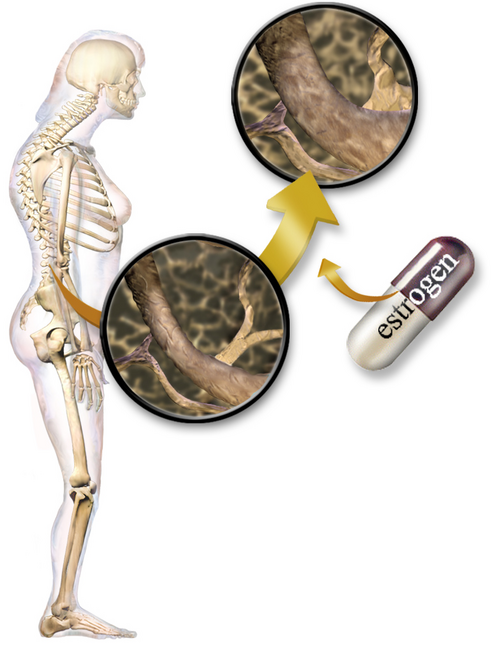 Same disease or problem2002Women's Health Initiative: Estrogen plus Progestin Hormone TherapyBoth were estrogen treatments given on a belief of benefit that controlled trials failed to support. The Women's Health Initiative shows a trial halted when hormone therapy raised breast cancer, stroke and clot risk.Read this moment