Reproductive Health
1960
Enovid: First FDA-Approved Oral Contraceptive Pill
In June 1960 the FDA approved Searle's Enovid for contraception, making it the first oral contraceptive; the same drug had been sold since 1957 for menstrual disorders. Built on Pincus, Rock, and Garcia's trials, it gave women a reversible, self-administered way to prevent pregnancy.
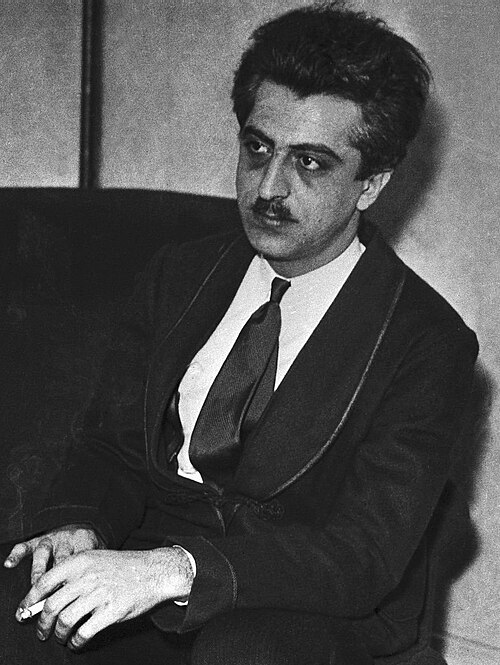
Key people
- Gregory Pincus
- Endocrinologist who led the biological development of the pill
- John Rock
- Gynecologist who co-directed the clinical trials
- Celso Garcia
- Obstetrician who ran field trials in Puerto Rico
- Carl Djerassi
- Chemist whose team at Syntex made norethindrone, a progestin used in later pills; Enovid used Searle's norethynodrel
- Margaret Sanger
- Birth control advocate who funded and motivated Pincus's early research.
Source
FDA approval of Enovid for contraceptive use, 1960 (opens in a new tab)
Before 1960, American couples relied mainly on the condom and the diaphragm, both used at the time of intercourse and both with meaningful failure rates. The diaphragm also required a clinician to fit it, and in several states laws derived from the 1873 Comstock Act still restricted the distribution of contraceptive information or devices. The pill came out of work in the 1950s by Gregory Pincus, John Rock, and Celso Garcia, paid for largely by the birth control campaigners Margaret Sanger and Katharine McCormick.
Pincus, a biologist at the Worcester Foundation for Experimental Biology, worked out the basic idea of a hormonal pill with Min-Chueh Chang, and G.D. Searle and Company supplied a synthetic progestin, norethynodrel, that worked by mouth. Carl Djerassi's team at Syntex had made a related progestin, norethindrone, in 1951; it went into other pills, but Enovid used Searle's norethynodrel. Rock, a Boston gynecologist, conducted early human trials beginning around 1954. Garcia then helped run large field trials in Puerto Rico starting in 1956, enrolling hundreds of women and establishing efficacy and tolerability data sufficient for regulatory submission.
The FDA approved Searle's Enovid for contraception in June 1960, for married women, by prescription only, and at first for no more than two years of use. The approved formulation contained 9.85 mg of norethynodrel and 150 mcg of mestranol, doses far higher than later preparations. The same drug had been on the market since 1957 for menstrual disorders, and its approval as a contraceptive came before the thalidomide disaster and the 1962 Drug Amendments tightened drug regulation.
The first report of a blood clot in a woman taking Enovid appeared in 1961, and it took almost a decade to prove a statistical link between the pill and thromboembolism. In January 1970 Senator Gaylord Nelson's subcommittee held hearings on whether women were being told of the pill's risks; members of D.C. Women's Liberation, angered by an all-male panel of witnesses, disrupted them. The hearings led the FDA to require an information leaflet for women taking the pill, at a time when medicines carried no patient information on use or side effects, and the requirement was later extended beyond contraceptives.
Subsequent decades brought progressively lower hormone doses. In 1969 Britain's Committee on Safety of Drugs stated that the risk of clots rose with the estrogen dose, and estrogen content fell from 75 mcg or more to 50, then 30 and 20 mcg; some pills now contain 10 mcg of ethinyl estradiol, against 150 mcg of mestranol in Enovid. Progestin-only pills, long-acting hormonal implants, and the hormonal intrauterine device extended hormonal contraception far beyond Enovid's original design.
Keep exploring
 Read next · built on
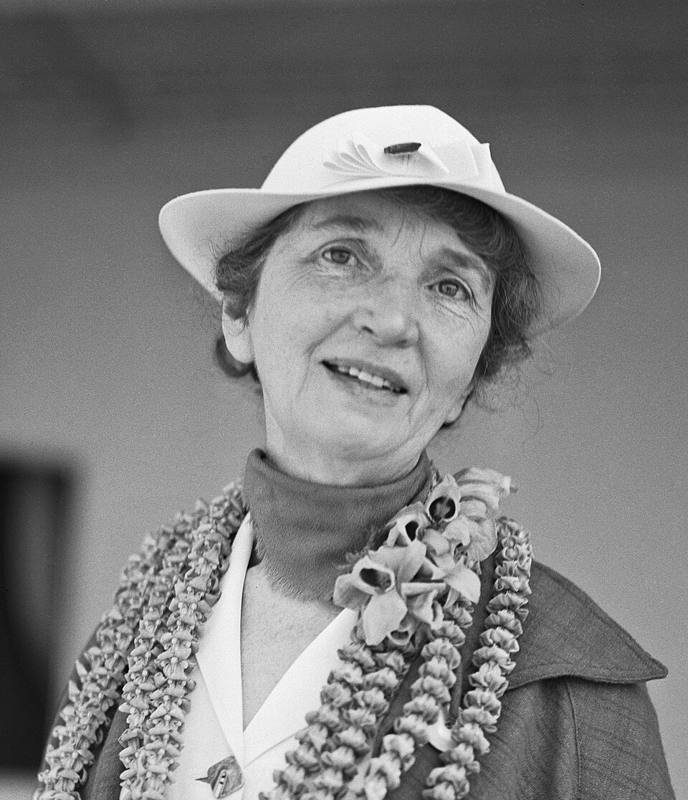
Sanger's Brownsville birth control clinic (1916)
Margaret Sanger, who opened the first US birth control clinic, helped pay for the research behind the pill. Her entry shows the 1916 Brooklyn clinic that police closed within ten days, and the court case that followed.
Read this moment
Read next · built on
Sanger's Brownsville birth control clinic (1916)
Margaret Sanger, who opened the first US birth control clinic, helped pay for the research behind the pill. Her entry shows the 1916 Brooklyn clinic that police closed within ten days, and the court case that followed.
Read this moment
 Today on The Clinical Times
Florida dengue outbreak appears to be largest in continental U.S. in decades
Florida has reported more than 250 locally acquired dengue cases this year, with most in Hillsborough County, according to state health officials.
Read today’s top stories
Today on The Clinical Times
Florida dengue outbreak appears to be largest in continental U.S. in decades
Florida has reported more than 250 locally acquired dengue cases this year, with most in Hillsborough County, according to state health officials.
Read today’s top stories
All 526 moments in the history of medicine. This one is in chapter 6, Trials, scanners and rights
Connected moments
How this moment links to others in the history of medicine, and what you will find in each.
-
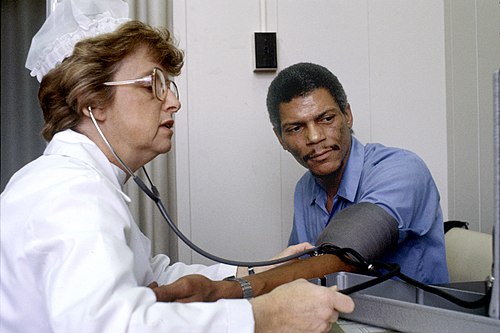 Led to1976Nurses' Health StudyDoubts about the pill's long term safety launched the Nurses' Health Study, which first tracked oral contraceptive use. It shows how 121,700 nurses went on to give decades of evidence on women's cancer and heart disease.Read this moment
-
 Same disease or problem1965Griswold v. ConnecticutEnovid arrived while state laws still restricted contraception, and Griswold struck down one such ban five years later. The case shows the Supreme Court finding a constitutional right of privacy for married couples.Read this moment
-
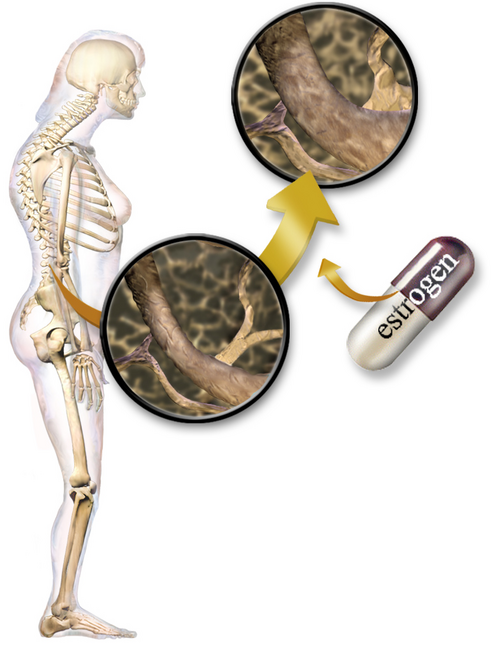 Same disease or problem2002Women's Health Initiative: Estrogen plus Progestin Hormone TherapyBoth were hormone treatments for women that raised concern about blood clots. The Women's Health Initiative shows a large trial halted early when estrogen with progestin raised clot, stroke and breast cancer risk.Read this moment