Reproductive Health
1968
Rh Immune Globulin (Anti-D / RhoGAM) for Prevention of Rh Hemolytic Disease
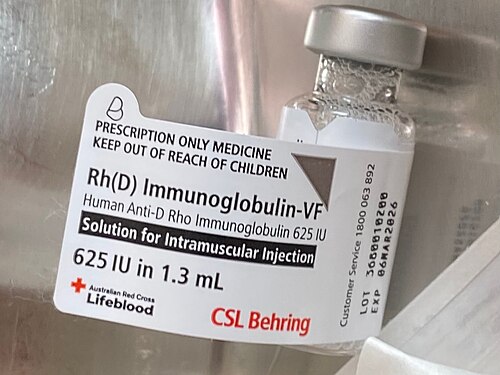
Freda, Gorman, and Pollack showed in 1964 that anti-D given to Rh-negative mothers blocks sensitization; RhoGAM was US-licensed in 1968 and turned a common cause of fetal and neonatal death into a preventable one.
Key people
- Vincent Freda
- Columbia obstetrician who led the clinical anti-D prophylaxis trials.
- John Gorman
- Columbia physician who co-developed the anti-D immunoglobulin strategy.
- William Pollack
- Immunologist who helped design and test the anti-D formulation.
Source
For decades before RhoGAM, Rh hemolytic disease of the fetus and newborn was one of the most common causes of perinatal death and serious neonatal morbidity in the developed world. The mechanism was well understood by the 1950s: an Rh-negative mother who was exposed to Rh-positive fetal red cells during delivery, miscarriage, or amniocentesis could develop IgG anti-D antibodies. In a subsequent pregnancy with an Rh-positive fetus, those antibodies crossed the placenta, bound to fetal erythrocytes, and caused hemolysis severe enough to cause hydrops fetalis, stillbirth, or neonatal jaundice with kernicterus. In the United States alone, approximately 10,000 fetal or neonatal deaths per year were attributed to the disease before prophylaxis became available.
The idea that passive anti-D administration might suppress the active immune response drew on an established immunological principle: exogenous antibody directed against a foreign antigen can inhibit the recipient's own antibody formation against that antigen. Vincent Freda, an obstetrician, and John Gorman, a physician at Columbia University Medical Center, developed this hypothesis in the early 1960s alongside immunologist William Pollack. To test it, they enrolled male prison volunteers at Sing Sing Correctional Facility, deliberately sensitizing Rh-negative men with Rh-positive red cells and then administering anti-D to determine whether the immune response was blocked.
The Sing Sing trials showed clearly that anti-D given after antigen exposure prevented active sensitization. Clinical trials in postpartum Rh-negative women followed, with anti-D administered within 72 hours of delivery of an Rh-positive infant. The results were consistent: sensitization rates fell from roughly 13 to 14 percent in unprotected women to below 1 percent with prophylaxis. The FDA licensed RhoGAM in the United States in 1968, and the product entered clinical practice rapidly.
Subsequent refinement of the dosing schedule added administration at 28 weeks gestation, after recognition that a small proportion of sensitizations occurred during pregnancy itself, before delivery. The addition of antenatal prophylaxis reduced residual sensitization rates further. Within a decade of widespread use, the incidence of Rh hemolytic disease in countries with functioning antenatal programs had dropped by roughly 90 percent from pre-prophylaxis levels.
Parallel development of anti-D prophylaxis was also underway abroad during the same period, with groups in Liverpool, England, and Winnipeg, Canada, conducting independent trials that reached the same conclusions. Rh hemolytic disease, once requiring intensive management including intrauterine transfusion and exchange transfusion of the neonate, is now rare enough in high-income countries that many obstetricians in training have seen few or no untreated cases. In lower-income settings where anti-D is not consistently available, the disease still causes preventable stillbirths and newborn deaths.
Keep exploring
 Read next · built on
Landsteiner and Wiener's Rh blood group (1940)
The Rh factor found in 1940 explained hemolytic disease of the newborn, the illness RhoGAM was made to prevent. Landsteiner and Wiener's entry shows how rabbit serum against monkey blood revealed the factor.
Read this moment
Read next · built on
Landsteiner and Wiener's Rh blood group (1940)
The Rh factor found in 1940 explained hemolytic disease of the newborn, the illness RhoGAM was made to prevent. Landsteiner and Wiener's entry shows how rabbit serum against monkey blood revealed the factor.
Read this moment
 Today on The Clinical Times
Florida dengue outbreak appears to be largest in continental U.S. in decades
Florida has reported more than 250 locally acquired dengue cases this year, with most in Hillsborough County, according to state health officials.
Read today’s top stories
Today on The Clinical Times
Florida dengue outbreak appears to be largest in continental U.S. in decades
Florida has reported more than 250 locally acquired dengue cases this year, with most in Hillsborough County, according to state health officials.
Read today’s top stories
All 526 moments in the history of medicine. This one is in chapter 6, Trials, scanners and rights
Connected moments
How this moment links to others in the history of medicine, and what you will find in each.
-
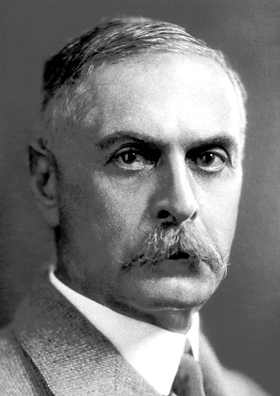 Same disease or problem1901Discovery of the ABO Blood GroupsBoth deal with the harm done when blood of one type meets antibodies against it. Landsteiner's ABO entry shows how matching blood groups made transfusion predictable.Read this moment
- Same disease or problem1994ACTG 076 perinatal HIV prevention trialBoth protect babies from a disease passed from mother to child by treating the mother around birth. ACTG 076 shows zidovudine cutting mother to child HIV transmission by about two thirds.Read this moment