Neurology & Psychiatry
1965
Methadone maintenance treatment for heroin addiction (Dole and Nyswander)
Vincent Dole and Marie Nyswander stabilized heroin-addicted patients on daily oral methadone, reporting 22 patients in 1965 and showing dependence could be managed as a chronic medical condition. The work launched opioid agonist therapy.

Key people
- Vincent Dole
- Internist who designed the methadone maintenance protocol at Rockefeller
- Marie Nyswander
- Psychiatrist who co-developed and co-published the treatment approach
- Mary Jeanne Kreek
- Rockefeller pharmacologist who extended methadone research over subsequent decades
Source
Heroin addiction in the 1960s was treated almost entirely through detoxification and abstinence programs. Pharmacologic maintenance was not part of the therapeutic vocabulary. Vincent Dole, a physician at the Rockefeller Institute who had studied obesity and metabolism, was joined in 1964 by the psychiatrist Marie Nyswander and the young internist Mary Jeanne Kreek. Dole proposed that addiction was an illness, a metabolic disease with behavioral manifestations, which abstinence alone could not reverse.
The team began studies with heroin addicts at the Rockefeller Hospital in early 1964 and within six months had worked out how methadone could be used for maintenance: a long-acting opioid taken by mouth once a day that relieved craving and, at adequate doses, blocked the effect of heroin, which they later called narcotic blockade. By 1965, when they published in JAMA, the trial had grown to 22 patients.
The framing Dole and Nyswander chose was as deliberate as the clinical design. They described heroin addiction explicitly as a metabolic disease, not a character defect, and compared methadone to insulin in diabetes: in their view it corrected an underlying dysfunction, while critics said it substituted one addiction for another. That framing was controversial. Abstinence-based programs and law enforcement agencies objected that maintenance simply sustained dependence, and moral objections to prescribing opioids to addicts ran deep in both medicine and policy.
Federal rules came gradually. The FDA issued regulations for methadone programs in 1972 and approved methadone for long-term treatment of opiate addiction in 1973, and the Narcotic Addict Treatment Act of 1974 confined methadone dispensing to licensed programs. Methadone maintenance is now provided to about one million people worldwide.
Buprenorphine, a partial opioid agonist, was approved by the FDA in October 2002 for office-based treatment, and for the first time since the 1910s American doctors in ordinary practice could treat opioid addiction with an opioid medication. Methadone kept its role for patients with more severe dependence or prior treatment failure but stayed confined to clinics. In 2023, after the Mainstreaming Addiction Treatment Act of 2022, the special federal waiver doctors had needed to prescribe buprenorphine was eliminated.
Keep exploring
 Read next · same disease or problem
The Harrison Narcotic Act (1914)
Harrison Act enforcement arrested doctors for supplying addicts, and methadone maintenance later made treating addiction with an opioid a medical practice again. The Harrison entry shows how a tax law became the base of federal drug enforcement.
Read this moment
Read next · same disease or problem
The Harrison Narcotic Act (1914)
Harrison Act enforcement arrested doctors for supplying addicts, and methadone maintenance later made treating addiction with an opioid a medical practice again. The Harrison entry shows how a tax law became the base of federal drug enforcement.
Read this moment
 Today on The Clinical Times
Florida dengue outbreak appears to be largest in continental U.S. in decades
Florida has reported more than 250 locally acquired dengue cases this year, with most in Hillsborough County, according to state health officials.
Read today’s top stories
Today on The Clinical Times
Florida dengue outbreak appears to be largest in continental U.S. in decades
Florida has reported more than 250 locally acquired dengue cases this year, with most in Hillsborough County, according to state health officials.
Read today’s top stories
All 526 moments in the history of medicine. This one is in chapter 6, Trials, scanners and rights
Connected moments
How this moment links to others in the history of medicine, and what you will find in each.
-
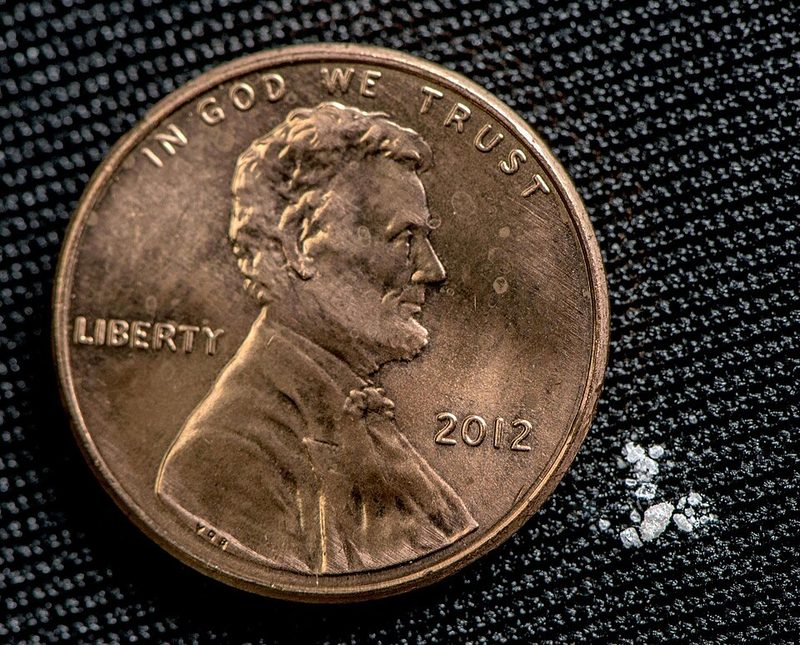 Same disease or problem2021US opioid overdose epidemic and the fentanyl waveMethadone treats the opioid addiction that fuels the overdose epidemic. The fentanyl entry shows overdose deaths passing 100,000 a year, with the death rate up almost fivefold since 2001.Read this moment
-
 Same disease or problem1971Naloxone approved as an opioid overdose antidoteBoth are medical answers to opioid dependence, methadone for daily maintenance and naloxone for reversing overdose. The naloxone entry shows the antidote moving from ambulances into community take-home programs.Read this moment