Neurology & Psychiatry
1952
Chlorpromazine in psychosis (Delay & Deniker)
In 1952 Delay and Deniker gave psychotic patients chlorpromazine and saw agitation and delusions ease without heavy sedation. It was the first antipsychotic drug, and within two years it was sold in the United States as Thorazine.

Key people
- Jean Delay
- French psychiatrist who led the first systematic clinical trials of chlorpromazine
- Pierre Deniker
- Psychiatrist who co-conducted the Paris trials and defined the drug's indications
- Henri Laborit
- Surgeon who first observed chlorpromazine's unusual calming properties
- Paul Charpentier
- Chemist at Rhone-Poulenc who synthesized chlorpromazine in 1950
- Arvid Carlsson
- Pharmacologist whose discovery of dopamine as a brain transmitter underpinned later work on how antipsychotics act
Source
Delay J, Deniker P, Harl JM. Ann Med Psychol (Paris). 1952;110(2):112-117. (opens in a new tab)
In the early 1950s, the acute psychiatric wards of European hospitals had limited options beyond physical restraint, barbiturate sedation, and electroconvulsive therapy. Patients in manic or psychotic states were frequently kept under heavy sedation or in isolation, and the sedation itself prevented any assessment of whether the underlying psychosis was improving. The standard drugs blunted behavior broadly without touching hallucinations or delusions. Henri Laborit, a military surgeon at the Val-de-Grace hospital in Paris, found that a new Rhone-Poulenc compound, chlorpromazine, added to his pre-surgical cocktail produced relaxation and emotional detachment without loss of consciousness. In February 1952 his team reported that it calmed anxious patients without oversedation, and he urged psychiatrists to try it.
Paul Charpentier had synthesized chlorpromazine at Rhone-Poulenc on December 11, 1950, while trying to make a stronger version of the antihistamine promethazine. A month after Laborit's report, three Val-de-Grace psychiatrists described calming manic patients with it, given along with an analgesic or barbiturate. At the Sainte-Anne Hospital in Paris, Jean Delay and Pierre Deniker gave chlorpromazine on its own to acutely psychotic patients. Their first case was a 57-year-old laborer whose manic behavior had led him to assault strangers; after three weeks of treatment he had recovered. In May 1952 they reported reductions in agitation, hallucinations, and delusional thinking without the stupor that barbiturates produced.
The distinction mattered clinically. Earlier sedatives suppressed behavior; chlorpromazine appeared to reduce the psychosis itself while leaving the patient awake and able to talk. Delay and Deniker's name for drugs of this kind, neuroleptic, meant "taking hold of the nerves." How chlorpromazine worked was unknown for years: in 1966 Jacques van Rossum proposed that such drugs block dopamine receptors, and studies in the 1970s showed that effective doses tracked blockade of the D2 receptor.
By November 1952 chlorpromazine was available by prescription in France as Largactil. Smith Kline and French bought the American rights and in 1954 received FDA approval to sell it in the United States as Thorazine. The drug's arrival coincided with a period of administrative and political pressure on state psychiatric institutions. The daily census of U.S. state and county mental hospitals averaged about 559,000 in 1955, and by 1975 the number of patients in mental hospitals had fallen to 212,000. New federal benefits, civil rights rulings, weak outpatient services, and chlorpromazine all contributed, in proportions that are still debated.
Chlorpromazine also started the search for its mechanism, which led to the dopamine hypothesis of schizophrenia and to a generation of antipsychotic drug development. Arvid Carlsson, who showed that dopamine is a transmitter in the brain, received the Nobel Prize in Physiology or Medicine in 2000. Oral chlorpromazine is still on the World Health Organization's 2023 list of essential medicines, one of only two first-generation antipsychotics kept there, though second-generation drugs have largely replaced it in high-income settings.
Keep exploring
 Read next · led to
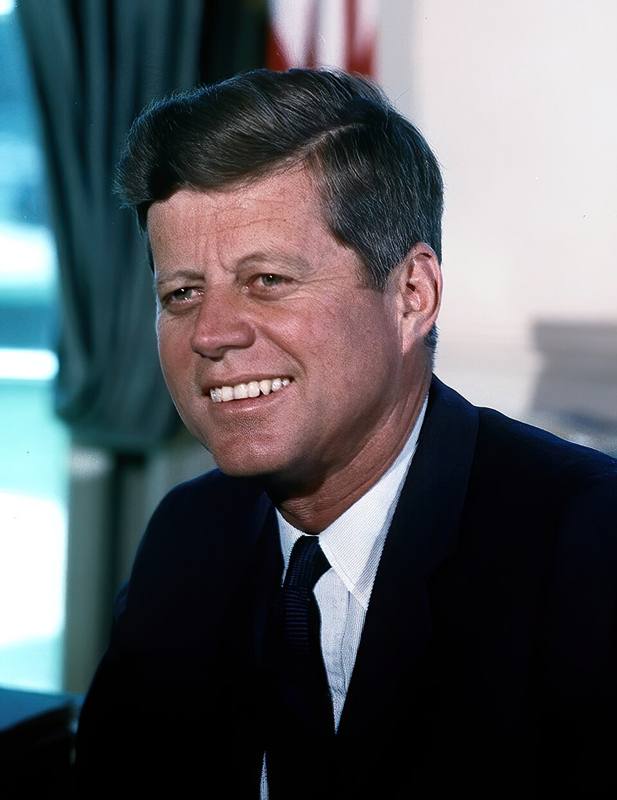
Community Mental Health Centers Act (1963)
Chlorpromazine made it seem plausible that patients once thought to need lifelong hospital care could be treated as outpatients. The 1963 act shows federal money for community mental health centers.
Read this moment
Read next · led to
Community Mental Health Centers Act (1963)
Chlorpromazine made it seem plausible that patients once thought to need lifelong hospital care could be treated as outpatients. The 1963 act shows federal money for community mental health centers.
Read this moment
 Today on The Clinical Times
Florida dengue outbreak appears to be largest in continental U.S. in decades
Florida has reported more than 250 locally acquired dengue cases this year, with most in Hillsborough County, according to state health officials.
Read today’s top stories
Today on The Clinical Times
Florida dengue outbreak appears to be largest in continental U.S. in decades
Florida has reported more than 250 locally acquired dengue cases this year, with most in Hillsborough County, according to state health officials.
Read today’s top stories
All 526 moments in the history of medicine. This one is in chapter 5, Cures and codes
Connected moments
How this moment links to others in the history of medicine, and what you will find in each.
-
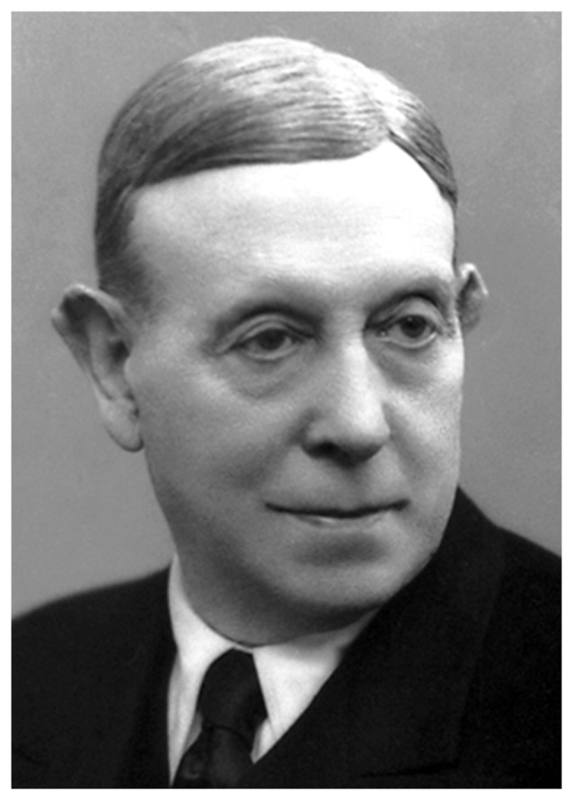 Same disease or problem1935Moniz, Freeman and the lobotomyChlorpromazine reduced psychosis without surgery, and lobotomy was curtailed after it arrived. The lobotomy story shows thousands of operations that left many patients apathetic.Read this moment
-
 Same person1967L-DOPA for Parkinson disease (Cotzias)Arvid Carlsson, part of the chlorpromazine story, also did the dopamine work behind L dopa. The L dopa story shows high oral doses easing rigidity and tremor in Parkinson disease.Read this moment
-
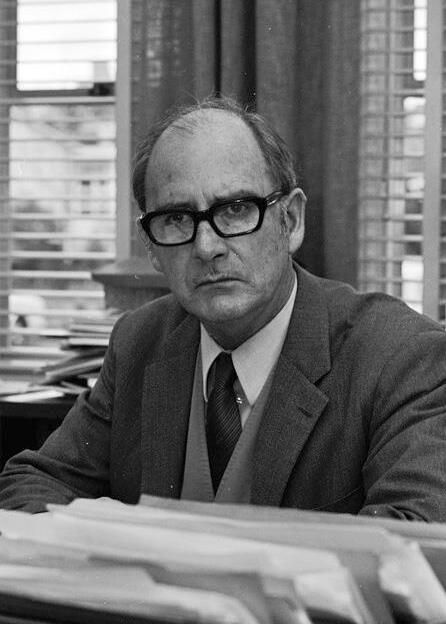 Same disease or problem1949Cade's lithium for maniaChlorpromazine for psychosis in 1952 and lithium for mania in 1949 were among the first drugs aimed at specific mental illnesses. Cade's story shows ten manic patients all improving on lithium.Read this moment