Infectious Disease
1965
Discovery of the hepatitis B virus (Australia antigen)
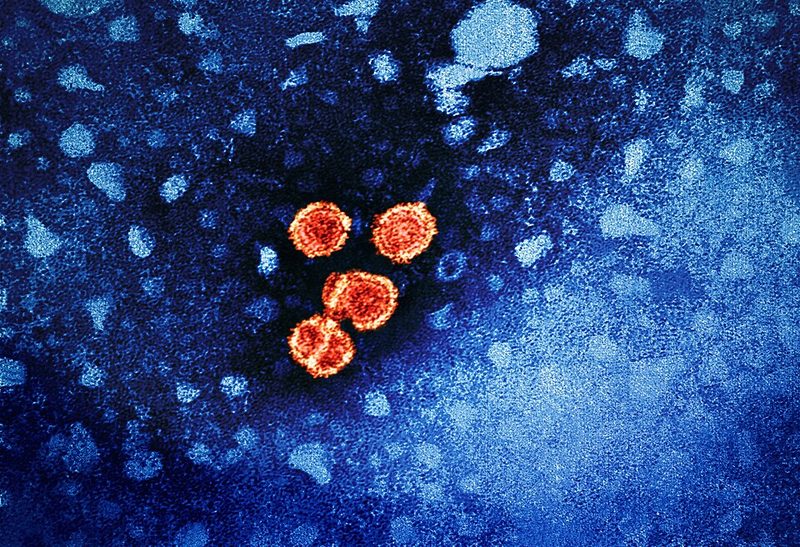
Blumberg's antigen turned out to be the hepatitis B surface protein. It made donor-blood screening possible and led to the first HBV vaccine. He shared the 1976 Nobel Prize for the work.
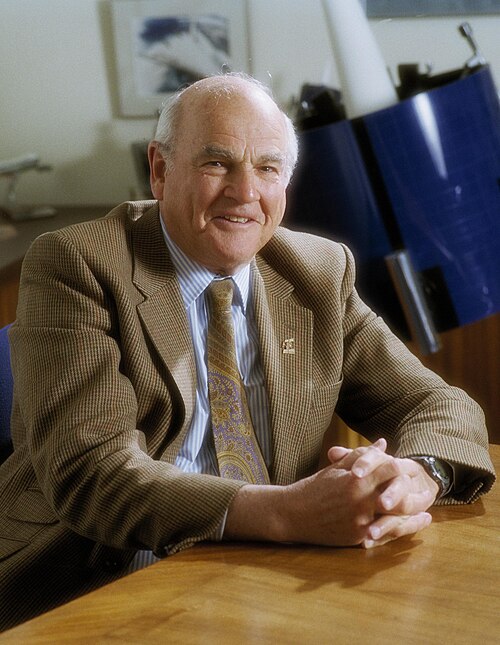
Key people
- Baruch Blumberg
- Physician-geneticist who identified HBsAg; Nobel laureate 1976
- Harvey Alter
- NIH hematologist and co-author of the 1965 Australia antigen paper who later extended blood screening work on hepatitis B and C
- Irving Millman
- Blumberg's colleague who helped purify the surface antigen and proposed it as a vaccine (patent filed 1969)
Source
In the early 1960s, the cause of serum hepatitis, the form transmitted by blood and needles, was unknown. No virus had been isolated, no reliable test existed, and blood banks had no way to screen donors. Post-transfusion hepatitis was a common and often serious complication of cardiac surgery, blood transfusions, and any procedure requiring multiple units. Baruch Blumberg, a physician and geneticist at the National Institutes of Health, was not looking for a hepatitis virus. He was cataloguing inherited variation in human serum proteins, testing the blood of multiply transfused patients against serum from people of many populations.
In 1963 the serum of a New York hemophilia patient who had received many transfusions formed a precipitin band with just one of the 24 sera in Blumberg's test panel, from an Aboriginal Australian. Blumberg called the reacting substance Australia antigen and reported it in 1965 with Harvey Alter and Sam Visnich. It turned up often in patients with leukemia. In 1966, at Blumberg's new laboratory in Philadelphia, a patient with Down syndrome turned positive and was found to have hepatitis; by the end of the year the team had linked the antigen to acute viral hepatitis. A population genetics experiment had identified the surface protein of hepatitis B virus, which WHO estimates caused 1.1 million deaths in 2024.
The practical application came quickly. Blumberg's group began testing donor blood in Philadelphia in the fall of 1969 and excluding donors who carried the antigen; at Philadelphia General Hospital, post-transfusion hepatitis fell from 18 percent before screening to 6 percent a year after it began. Testing for the Australia antigen, later renamed hepatitis B surface antigen (HBsAg), became routine in American blood banks during the 1970s.
Blumberg shared the 1976 Nobel Prize in Physiology or Medicine with Daniel Carleton Gajdusek. With Irving Millman he purified the surface antigen from the blood of carriers and proposed it as a vaccine, filing a patent in 1969. The first hepatitis B vaccine, made from surface antigen purified from carriers' plasma, was licensed in the United States in 1981. Recombinant vaccines, produced in yeast cells by inserting the gene for HBsAg, began replacing it in 1986.
Universal infant vaccination has sharply reduced chronic HBV infection in vaccinated birth cohorts. Taiwan launched the world's first universal program in July 1984; the prevalence of infection fell to about a tenth of its former level, and liver cancer declined among vaccinated children aged 6 to 14. It was the first evidence that a vaccine could prevent a human cancer.
Keep exploring
 Read next · led to
Hepatitis B vaccine and liver cancer in Taiwan (1997)
Blumberg's antigen became the first hepatitis B vaccine, and Taiwan gave it to every infant from 1984. The Taiwan entry shows liver cancer in children falling by half, among the first proof a vaccine can prevent cancer.
Read this moment
Read next · led to
Hepatitis B vaccine and liver cancer in Taiwan (1997)
Blumberg's antigen became the first hepatitis B vaccine, and Taiwan gave it to every infant from 1984. The Taiwan entry shows liver cancer in children falling by half, among the first proof a vaccine can prevent cancer.
Read this moment
 Today on The Clinical Times
Florida dengue outbreak appears to be largest in continental U.S. in decades
Florida has reported more than 250 locally acquired dengue cases this year, with most in Hillsborough County, according to state health officials.
Read today’s top stories
Today on The Clinical Times
Florida dengue outbreak appears to be largest in continental U.S. in decades
Florida has reported more than 250 locally acquired dengue cases this year, with most in Hillsborough County, according to state health officials.
Read today’s top stories
All 526 moments in the history of medicine. This one is in chapter 6, Trials, scanners and rights
Connected moments
How this moment links to others in the history of medicine, and what you will find in each.
-
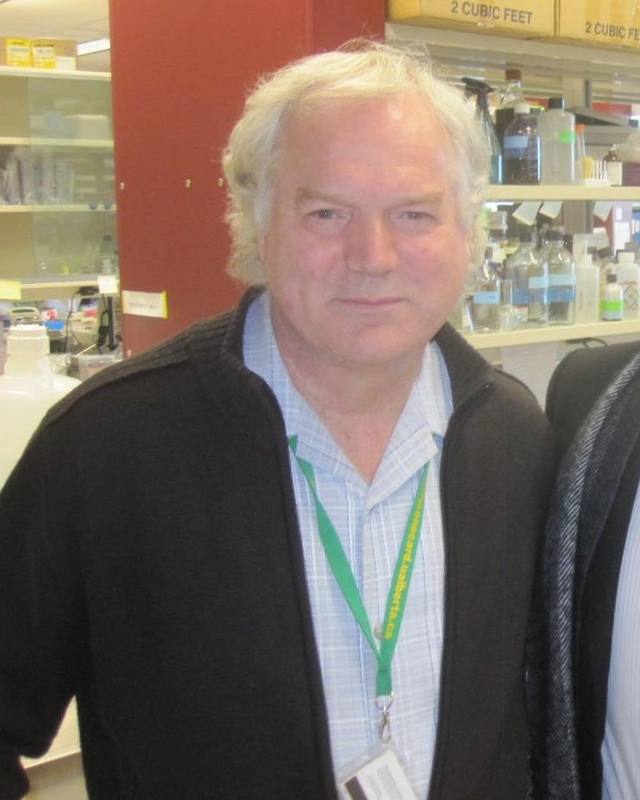 Same person1989Discovery of the hepatitis C virusHarvey Alter, who reported the Australia antigen with Blumberg, also worked on the hepatitis that screening for it still missed. The hepatitis C entry shows how cloning that virus nearly ended transfusion hepatitis.Read this moment
-
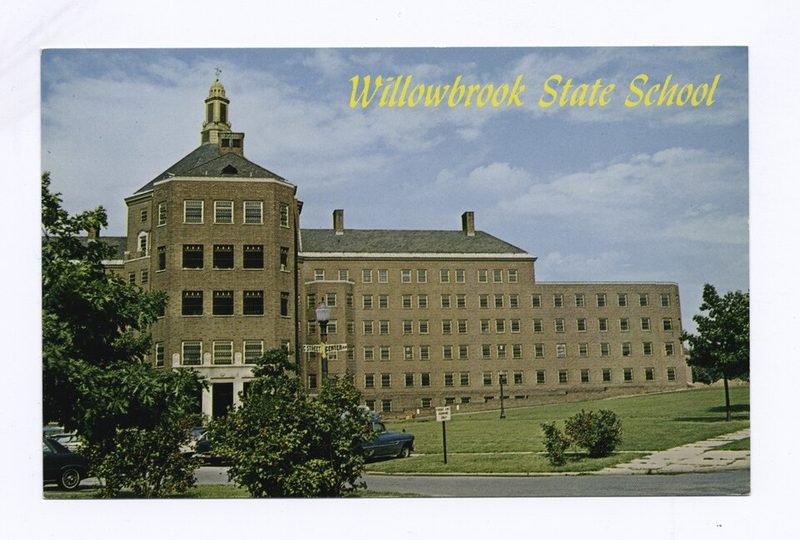 Same disease or problemc. 1956The Willowbrook hepatitis studiesBoth pursued serum hepatitis, which Willowbrook linked to the Australia antigen in 1969. The Willowbrook entry shows children deliberately infected to study the disease, and the ethical storm that followed.Read this moment
-
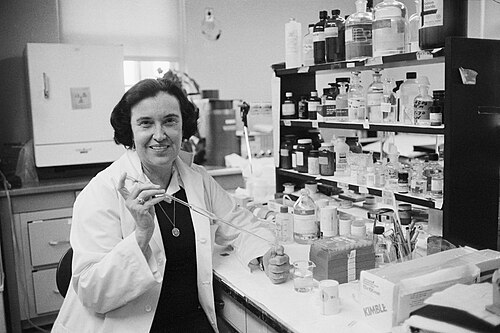 Same person1960Radioimmunoassay (RIA)Yalow and Berson's radioimmunoassay became the blood banks' standard test for Blumberg's antigen by 1977. The RIA entry shows how antibodies and radioactive tracers measured substances in minute amounts.Read this moment