Reproductive Health
1953
Apgar Score for newborn assessment
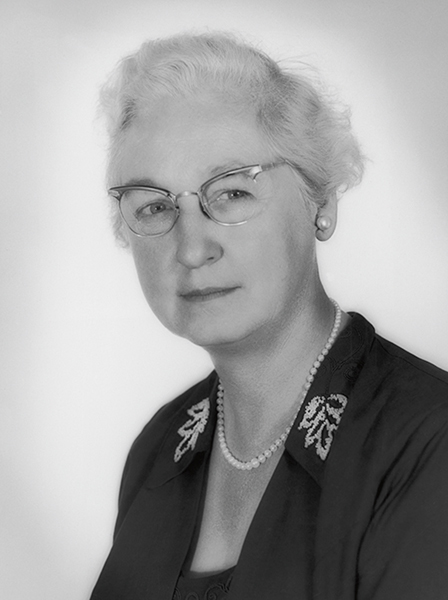
Apgar, an obstetric anesthesiologist, scored five signs at one minute after birth on a 0-10 scale. It gave delivery rooms a fast, repeatable read on which newborns needed resuscitation, and most hospitals now score every newborn at one and five minutes.
Key people
- Virginia Apgar
- Obstetric anesthesiologist who designed and validated the scoring system
- L. Stanley James
- Columbia colleague who helped relate Apgar scores to newborn blood chemistry
Source
Current Researches in Anesthesia and Analgesia, 1953 (opens in a new tab)
Delivery rooms in the early 1950s had no standard way to assess a newborn in the first minute of life, and junior residents with little resuscitation training were often left in charge of the baby. When a resident asked Virginia Apgar, an obstetric anesthesiologist at Presbyterian Hospital in New York, how to assess a newborn quickly, she jotted down five objective signs on the nearest piece of paper.
Her 1953 paper in Current Researches in Anesthesia and Analgesia described scoring those signs one minute after birth: heart rate, respiratory effort, muscle tone, reflex irritability, and skin color. Each received 0, 1, or 2 points, for a total of 0 to 10. Full-term babies scoring 7 to 10 had a much better chance of surviving their first month. Apgar advised that someone other than the obstetrician do the scoring, because obstetricians rated their own deliveries several points higher.
Apgar also wanted a common yardstick for comparing obstetric practices, types of maternal pain relief, and resuscitation. In September 1952 she presented a trial on 1,021 infants born at the Sloane Hospital for Women that linked the scores to the method of delivery and to the mother's anesthesia. The score also gave delivery rooms a documented condition at birth against which later outcomes could be compared.
By the early 1960s many hospitals used the score. In 1961 Joseph Butterfield of the University of Colorado wrote to tell Apgar that one of his residents had turned her name into a mnemonic for the five signs: Appearance, Pulse, Grimace, Activity, Respiration. Apgar was delighted, and it caught on.
Others tried scoring at five or ten minutes, but Apgar held that the one-minute score was the most useful, because a newborn's condition can change so fast. Most hospitals now score at one and five minutes. With L. Stanley James and Duncan Holaday, Apgar went on to relate the scores to newborn blood chemistry, labor, and maternal anesthesia.
Keep exploring
 Read next · same disease or problem
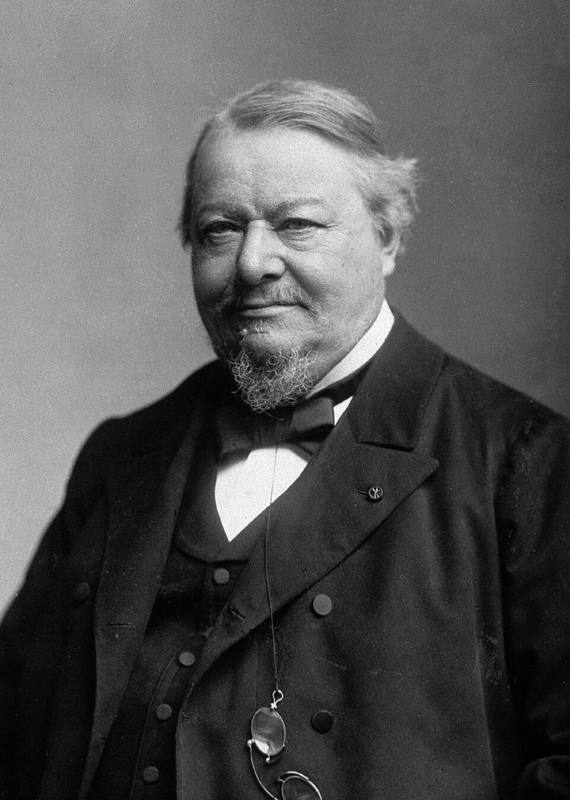
Tarnier's incubator for premature infants (1880)
Apgar gave staff a quick way to judge how a newborn was doing, and Tarnier kept fragile premature babies warm and in view. His story shows a poultry incubator adapted for babies in Paris.
Read this moment
Read next · same disease or problem
Tarnier's incubator for premature infants (1880)
Apgar gave staff a quick way to judge how a newborn was doing, and Tarnier kept fragile premature babies warm and in view. His story shows a poultry incubator adapted for babies in Paris.
Read this moment
 Today on The Clinical Times
Florida dengue outbreak appears to be largest in continental U.S. in decades
Florida has reported more than 250 locally acquired dengue cases this year, with most in Hillsborough County, according to state health officials.
Read today’s top stories
Today on The Clinical Times
Florida dengue outbreak appears to be largest in continental U.S. in decades
Florida has reported more than 250 locally acquired dengue cases this year, with most in Hillsborough County, according to state health officials.
Read today’s top stories
All 526 moments in the history of medicine. This one is in chapter 5, Cures and codes
Connected moments
How this moment links to others in the history of medicine, and what you will find in each.
-
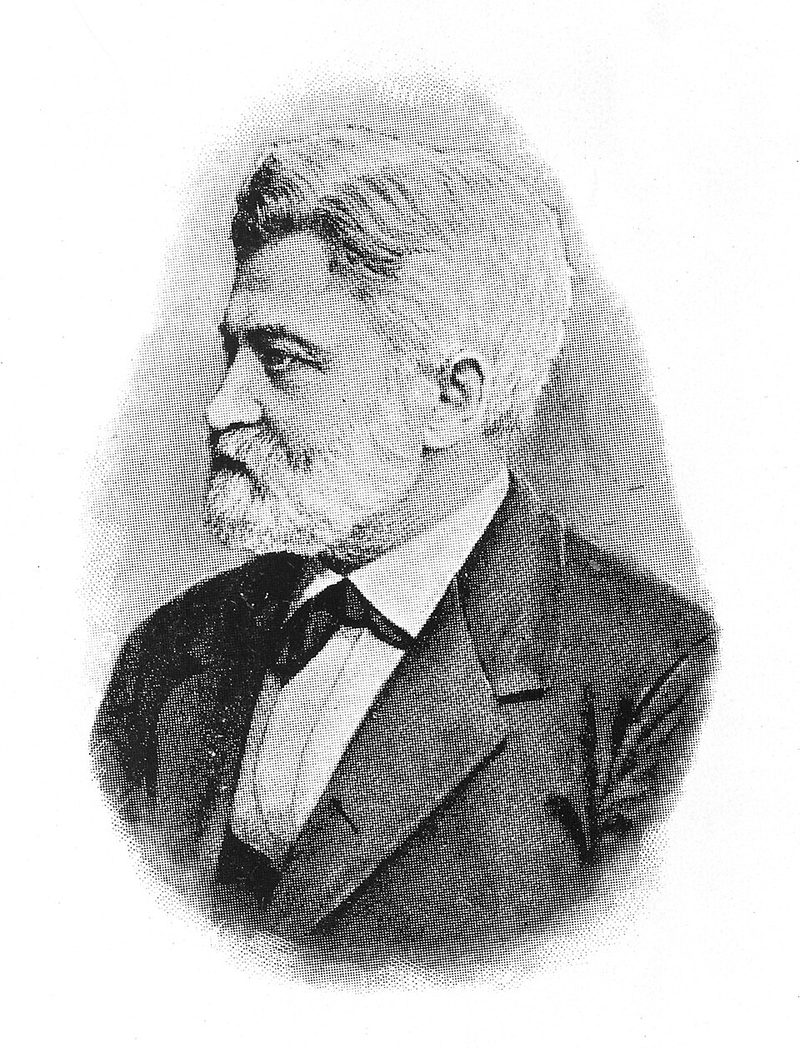 Same disease or problem1881Credé's silver nitrate drops for newbornsBoth became routines applied to almost every newborn, Credé's eye drops and Apgar's one minute score. Credé's story shows eye infections caught at birth nearly vanishing at his Leipzig hospital.Read this moment
- Same disease or problem1963Guthrie's blood-spot test for phenylketonuriaApgar scored every newborn at birth, and Guthrie's blood spot test made it practical to screen whole populations of newborns. His story shows early diet preventing the harm of phenylketonuria.Read this moment