Cardiology
1954
Warfarin introduced for clinical anticoagulation
Warfarin was approved for human use in the United States in 1954, more than a decade after doctors began giving patients the related oral anticoagulant dicumarol. It remained the standard oral anticoagulant for more than five decades, until dabigatran and the factor Xa inhibitors began to replace it after 2010.

Key people
- Karl Paul Link
- University of Wisconsin biochemist who isolated and developed coumarin anticoagulants.
- Lee Roderick
- Veterinary pathologist who showed in 1931 that the bleeding in sweet clover disease came from a lack of prothrombin.
Source
J Saudi Heart Assoc, 2016 (history review) (opens in a new tab)
Heparin, in clinical use since the 1930s, had to be injected, so it was impractical for long-term treatment of conditions like atrial fibrillation and deep vein thrombosis. Physicians needed a drug patients could take by mouth. The drug that filled that need began with a bleeding disease in cattle that ate spoiled sweet clover hay, first reported in North Dakota and Canada in 1921. In damp hay, mold turned the clover's natural coumarins into an anticoagulant.
Frank Schofield, a veterinary pathologist in Ontario, blamed damaged sweet clover in a 1924 report, and in 1931 Lee Roderick showed that the bleeding came from a lack of prothrombin. Karl Paul Link, a biochemist at the University of Wisconsin, extracted the toxic compound, dicumarol (bishydroxycoumarin), in 1939, and doctors at the Mayo Clinic reported clinical studies of it in 1941. Link's group then made more potent derivatives. The name warfarin joined the initials of the Wisconsin Alumni Research Foundation, which funded the work, to the suffix -arin from coumarin. Warfarin went on sale as a rat poison in 1948. It blocks the liver's vitamin K-dependent production of clotting factors, which made it lethal at high doses but controllable at low ones.
Warfarin was approved for human use in 1954. Doctors in the 1950s gave it after heart attacks, and it became widely known when President Dwight Eisenhower received it after his own in 1955. It was hard to use: the dose that prevented clots was close to the dose that caused bleeding. Drug interactions were extensive, spanning antibiotics, anti-inflammatory agents, and antifungals. Dietary vitamin K from leafy vegetables shifted the dose-response curve. Patients needed regular prothrombin time tests, reported as the INR after a 1983 World Health Organization recommendation, and frequent dose changes.
Warfarin still dominated oral anticoagulation for more than five decades. Trials supported its use in mechanical heart valves, non-valvular atrial fibrillation, and venous thromboembolism. No oral competitor with comparable evidence existed until the direct oral anticoagulants appeared. Dabigatran, a direct thrombin inhibitor, was approved in the United States in 2010; the factor Xa inhibitors rivaroxaban and apixaban followed within two years.
The newer agents offered fixed dosing, fewer drug interactions, and no need for routine monitoring. They displaced warfarin rapidly in atrial fibrillation and venous thromboembolism. Patients with mechanical heart valves are the main exception. A 2013 trial that gave such patients dabigatran or warfarin was stopped early, after 252 had enrolled, because of excess clots and bleeding in the dabigatran group, and warfarin is still their standard anticoagulant.
Keep exploring
 Read next · built on
Heparin as an injectable anticoagulant (1937)
Heparin had to be injected, and doctors needed a blood thinner patients could take by mouth. The heparin story shows how purified heparin first reached patients.
Read this moment
Read next · built on
Heparin as an injectable anticoagulant (1937)
Heparin had to be injected, and doctors needed a blood thinner patients could take by mouth. The heparin story shows how purified heparin first reached patients.
Read this moment
 Today on The Clinical Times
Florida dengue outbreak appears to be largest in continental U.S. in decades
Florida has reported more than 250 locally acquired dengue cases this year, with most in Hillsborough County, according to state health officials.
Read today’s top stories
Today on The Clinical Times
Florida dengue outbreak appears to be largest in continental U.S. in decades
Florida has reported more than 250 locally acquired dengue cases this year, with most in Hillsborough County, according to state health officials.
Read today’s top stories
All 526 moments in the history of medicine. This one is in chapter 5, Cures and codes
Connected moments
How this moment links to others in the history of medicine, and what you will find in each.
-
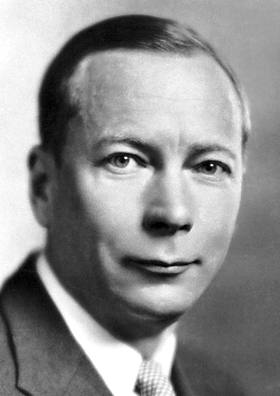 Built on1929Dam and the discovery of vitamin KWarfarin works by blocking the vitamin K that Dam discovered. Dam's story shows chicks on a special diet that began to bleed.Read this moment
-
 Led to2009RE-LY (Dabigatran versus warfarin in atrial fibrillation)Warfarin stayed the standard oral anticoagulant for five decades until dabigatran beat it in the RE LY trial. That story shows fewer brain bleeds and no need for blood tests.Read this moment