Infectious Disease
1955
Salk Inactivated Polio Vaccine Field Trial (Francis Report)
Announced on April 12, 1955, the evaluation of a 1954 trial involving about 1.8 million children found the killed-virus Salk vaccine 80 to 90 percent effective against paralytic polio. The U.S. government licensed the vaccine that afternoon, and manufacturers released their stockpiles at once.
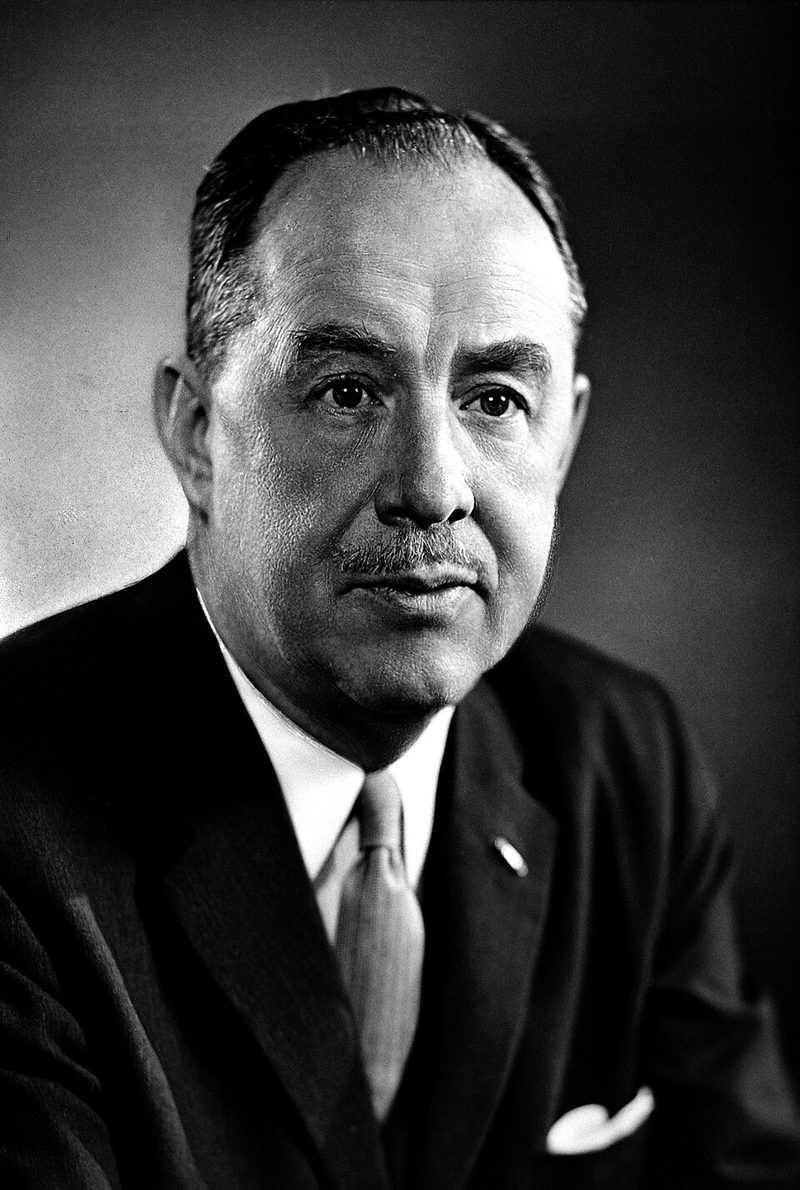
Key people
- Jonas Salk
- Virologist who developed the inactivated poliovirus vaccine.
- Thomas Francis Jr.
- Epidemiologist who independently evaluated the 1954 trial results.
- Albert Sabin
- Virologist who developed the oral live attenuated vaccine used from the early 1960s.
- Basil O'Connor
- President of the National Foundation for Infantile Paralysis; organized the trial funding.
Source
Am J Public Health Nations Health. 1955;45(5 Pt 2):1-63 (opens in a new tab)
In the early 1950s polio paralyzed close to 20,000 Americans a year, and summer epidemics closed swimming pools and other places where children gathered. The 1952 epidemic was the worst on record, with nearly 58,000 reported cases. The National Foundation for Infantile Paralysis, founded by Franklin Roosevelt, had been funding polio research since 1938, and by 1952 Jonas Salk at the University of Pittsburgh was developing a formalin-inactivated vaccine using all three poliovirus serotypes grown in monkey kidney cells.
The 1954 field trial was organized by the National Foundation and evaluated by Thomas Francis Jr. at the University of Michigan, who had no role in developing the vaccine, although Salk had worked with him on influenza vaccine in the 1940s. Francis set strict conditions for the design. About 1.8 million children took part. In some areas children were randomly given vaccine or a placebo injection, and neither families nor health officials knew which; in others, vaccinated children were compared with unvaccinated children who were only observed.
Francis presented his findings on April 12, 1955, at the University of Michigan in Ann Arbor, ten years to the day after Roosevelt's death. The vaccine was 80 to 90 percent effective against paralytic polio. The National Foundation staged the event with a showmanship that displeased many scientists. The federal government licensed the vaccine that afternoon, and large stockpiles were released immediately.
Within ten days, polio began appearing in children given vaccine from one manufacturer whose lots contained live virus. There were 260 cases, 94 in vaccinated children and 166 in their contacts, and 11 deaths, and vaccination stopped until the cause was found. After it resumed, paralytic polio in the United States fell from close to 20,000 cases a year before the vaccine to about 2,500 in 1960. Albert Sabin's live attenuated oral vaccine, which was easier to give and produced intestinal immunity that blocked transmission, began supplementing the Salk vaccine in the early 1960s. The last case of polio from wild virus acquired in the United States occurred in 1979.
Salk was not an author of the Francis report. In 1988 the World Health Assembly launched the Global Polio Eradication Initiative, when polio was endemic in more than 125 countries; by the 2020s wild poliovirus remained endemic only in Afghanistan and Pakistan.
Keep exploring
 Read next · built on
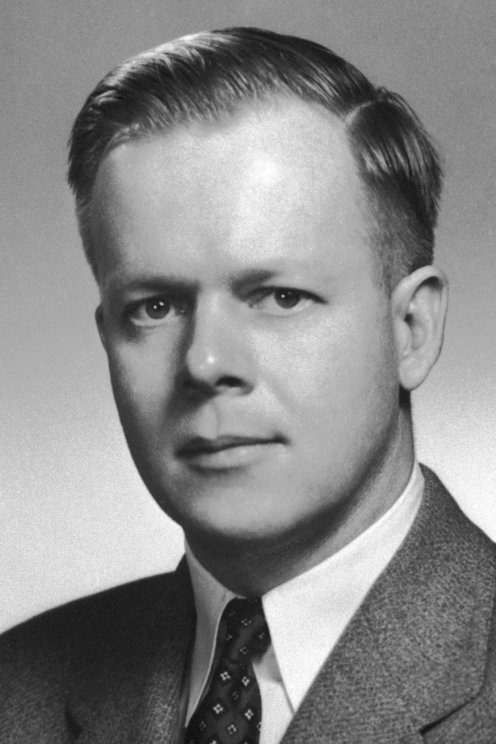
Growing poliovirus in tissue culture (1949)
Salk grew his vaccine virus in monkey kidney cells, possible only after Enders grew poliovirus in tissue culture. That story shows the Boston laboratory that made polio vaccines possible.
Read this moment
Read next · built on
Growing poliovirus in tissue culture (1949)
Salk grew his vaccine virus in monkey kidney cells, possible only after Enders grew poliovirus in tissue culture. That story shows the Boston laboratory that made polio vaccines possible.
Read this moment
 Today on The Clinical Times
Florida dengue outbreak appears to be largest in continental U.S. in decades
Florida has reported more than 250 locally acquired dengue cases this year, with most in Hillsborough County, according to state health officials.
Read today’s top stories
Today on The Clinical Times
Florida dengue outbreak appears to be largest in continental U.S. in decades
Florida has reported more than 250 locally acquired dengue cases this year, with most in Hillsborough County, according to state health officials.
Read today’s top stories
All 526 moments in the history of medicine. This one is in chapter 5, Cures and codes
Connected moments
How this moment links to others in the history of medicine, and what you will find in each.
-
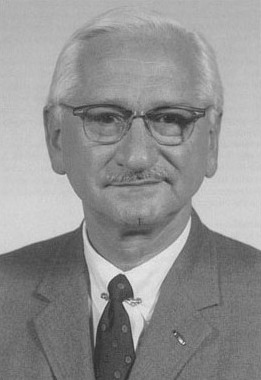 Same disease or problem1960Sabin Oral Live-Attenuated Polio VaccineSalk's vaccine used killed virus given by injection, and Sabin's used live weakened virus given by mouth. Sabin's story shows mass campaigns that vaccinated whole communities.Read this moment
-
 Same disease or problem1946Founding of the Communicable Disease CenterWhen polio struck children given one maker's vaccine, the CDC traced the cases and vaccination resumed. The CDC story shows how a wartime malaria unit became the national disease detective.Read this moment
-
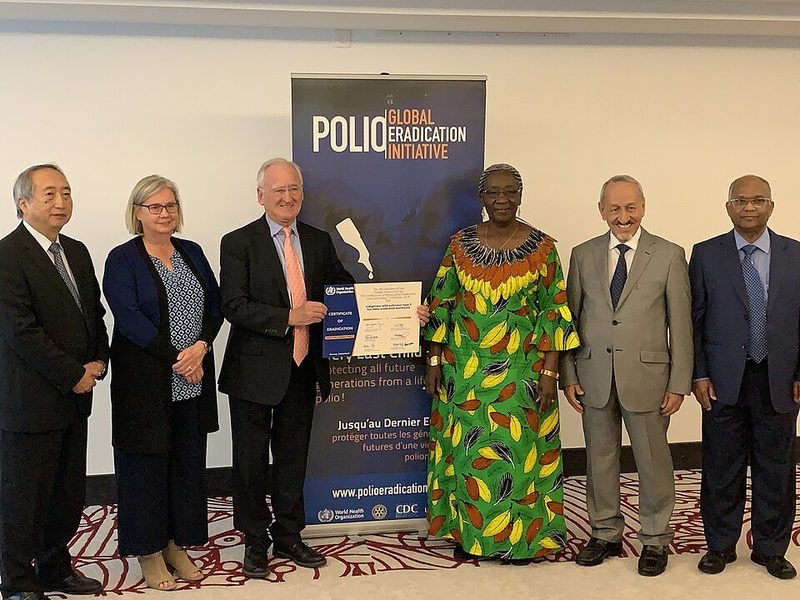 Same disease or problem2019Eradication of wild poliovirus type 3The Salk vaccine began the fight against polio in 1955, and in 2019 one of the three wild polioviruses was declared eradicated. That story shows the switch in vaccines needed to finish the job.Read this moment