Surgery & Anesthesia
1954
First Successful Kidney Transplant
The first human organ transplant with lasting graft function. Using identical twins sidestepped rejection and showed transplantation could work, opening the clinical field. Murray shared the 1990 Nobel Prize.
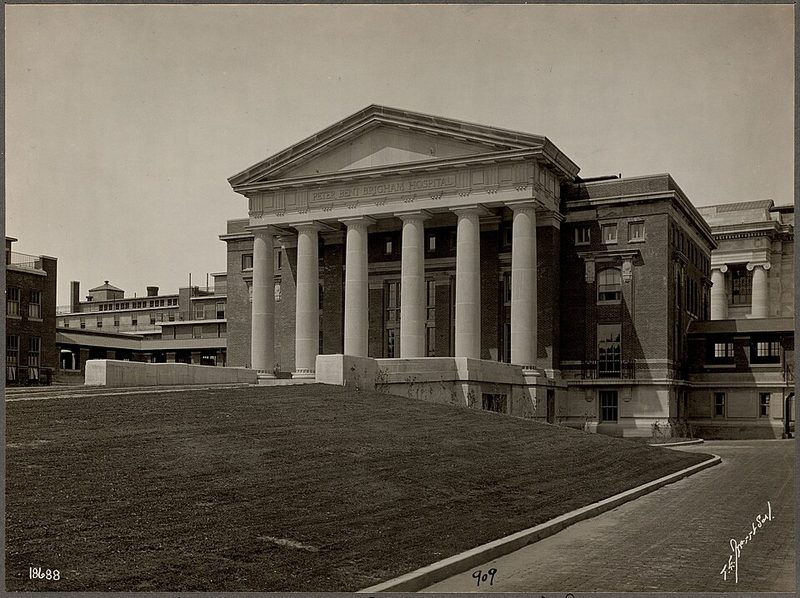
Key people
- Joseph Murray
- Surgeon who performed the transplant; Nobel Prize 1990
- Ronald Herrick
- Kidney donor; identical twin of the recipient
- John Merrill
- Nephrologist who led the transplant program at Brigham and dialyzed the recipient before surgery
- Richard Herrick
- Recipient of the first successful kidney transplant; survived eight years
Source
Kidney transplantation had been attempted in humans since the 1930s. In 1933 Yurii Voronoy and his team in Kherson, Ukraine, transplanted a kidney from a deceased donor; the 26-year-old recipient died two days later. Groups in Boston, Paris, and Chicago tried again in the early 1950s, using both living donors and cadavers. Every graft eventually failed; the longest, placed by Richard Lawler's team in Illinois, worked for about nine months. The limiting problem was immunological, not surgical.
Joseph Murray, a plastic surgeon at Peter Bent Brigham Hospital in Boston, recognized that the immune barrier could be sidestepped entirely if the donor and recipient were genetically identical. Twin brothers Richard and Ronald Herrick offered that chance. Richard had chronic glomerulonephritis and was gravely ill, with malignant hypertension and heart failure; the nephrologist John Merrill stabilized him with dialysis before surgery. On December 23, 1954, J. Hartwell Harrison removed a kidney from Ronald, and Murray transplanted it into Richard. The graft began producing urine immediately. Richard Herrick lived another eight years and died of his original disease; the graft was not rejected.
In the following years the Boston team performed seven more kidney transplants between identical twins, and six of the seven achieved normal kidney function. By 1958 they had reported the series, showing that a transplanted kidney could sustain life long-term when there was no immune mismatch.
The transplant community understood clearly that identical twin donors would be rare. The productive question became how to suppress rejection in non-identical pairs. The Brigham group tried total-body irradiation between 1958 and 1962, with grim early results that led them to smaller doses. Robert Schwartz identified 6-mercaptopurine as an immune suppressant around 1959; George Hitchings and Gertrude Elion at Burroughs Wellcome developed the less toxic derivative azathioprine, and in 1962 the Brigham team performed the first successful kidney transplant between unrelated people using it.
In 1979 Roy Calne reported the first successful human trials of cyclosporine in kidney transplantation, and the drug became the mainstay of immunosuppression for transplanted organs. Murray received the Nobel Prize in Physiology or Medicine in 1990, sharing it with E. Donnall Thomas, for discoveries concerning organ and cell transplantation in the treatment of human disease.
Keep exploring
 Read next · built on
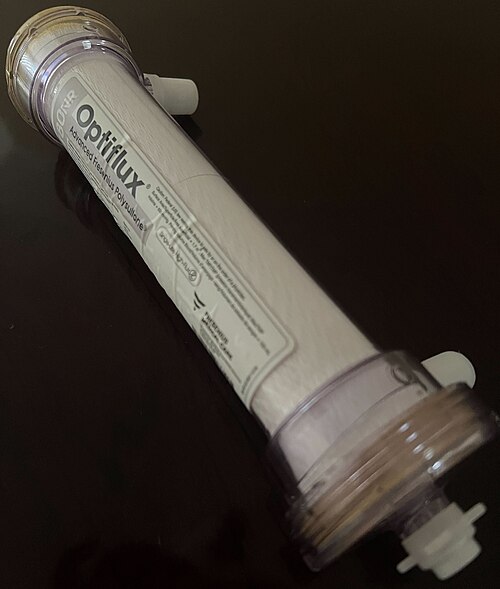
Kolff's rotating drum artificial kidney (1943)
The first transplant patient was stabilized with dialysis on a machine descended from Kolff's. Kolff's story shows the artificial kidney built from wartime scraps.
Read this moment
Read next · built on
Kolff's rotating drum artificial kidney (1943)
The first transplant patient was stabilized with dialysis on a machine descended from Kolff's. Kolff's story shows the artificial kidney built from wartime scraps.
Read this moment
 Today on The Clinical Times
Florida dengue outbreak appears to be largest in continental U.S. in decades
Florida has reported more than 250 locally acquired dengue cases this year, with most in Hillsborough County, according to state health officials.
Read today’s top stories
Today on The Clinical Times
Florida dengue outbreak appears to be largest in continental U.S. in decades
Florida has reported more than 250 locally acquired dengue cases this year, with most in Hillsborough County, according to state health officials.
Read today’s top stories
All 526 moments in the history of medicine. This one is in chapter 5, Cures and codes
Connected moments
How this moment links to others in the history of medicine, and what you will find in each.
-
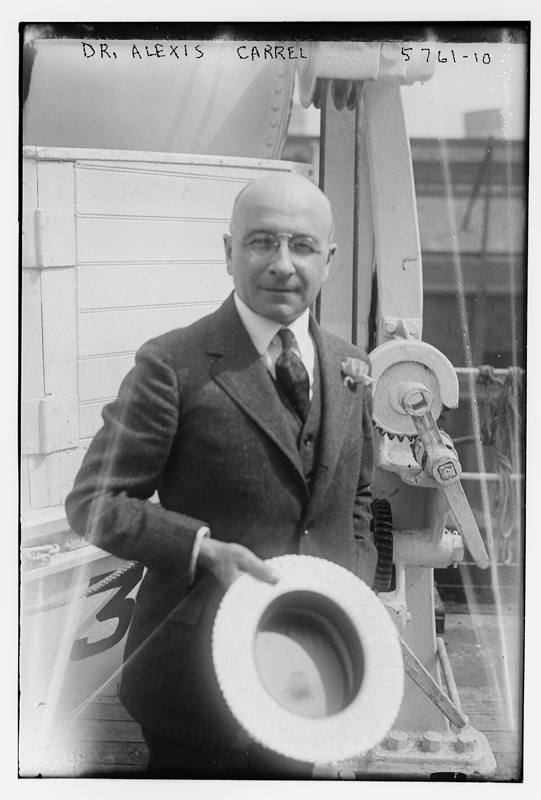 Same disease or problem1902Carrel's vascular sutureCarrel transplanted kidneys in animals half a century earlier, but they failed from rejection. His story shows the three stitch method for joining blood vessels.Read this moment
-
 Led to1978Ciclosporin in solid-organ transplantation (Calne)The twins showed transplants could work, and the question became how to suppress rejection between unrelated people. The ciclosporin story shows Calne's drug controlling rejection.Read this moment
-
 Same disease or problem1953Acquired immunological toleranceIdentical twins sidestepped rejection, the immune reaction Medawar had studied. His story shows mice taught before birth to accept another strain's skin.Read this moment