Public Health
1954
British Doctors Study (Doll and Hill prospective cohort)
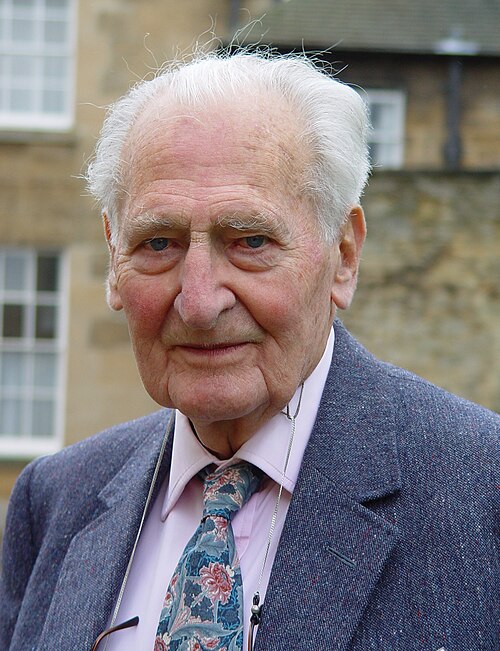
Doll and Hill began following about 40,000 British doctors in 1951; the 1954 report tied lung cancer death to smoking dose. After 50 years of follow-up, men who kept smoking cigarettes died about 10 years younger than lifelong non-smokers.
Key people
- Richard Doll
- Epidemiologist; co-designed and led the cohort over five decades
- Austin Bradford Hill
- Statistician and epidemiologist; co-designed the study and its analysis
Source
In 1950, Richard Doll and Austin Bradford Hill published a case-control study showing that lung cancer patients reported heavier smoking histories than controls. It was suggestive but methodologically vulnerable: patients with a serious illness might recall their habits differently, and the design could not measure mortality rates directly. Hill, one of the leading biostatisticians of the era, knew that a prospective cohort study would answer the objection. In 1951 they mailed questionnaires about smoking to every doctor on the British Medical Register.
About 40,000 doctors responded, providing detailed smoking histories. Doll and Hill then followed their deaths, a straightforward task because British doctors had to keep their names on the Medical Register to practise and their deaths were well recorded. The 1954 report in the BMJ presented findings from just the first years of follow-up. Even in that short interval, lung cancer mortality rose sharply with the number of cigarettes smoked daily, with heavy smokers carrying substantially higher risk than lifelong nonsmokers.
The prospective design neutralized the main objection to the earlier case-control work. Smoking histories were recorded before any participant developed lung cancer, so there was no possibility that diagnosis had colored self-reporting. Death rates could be calculated directly, which the case-control approach could not do. The study also separated lung cancer deaths from deaths by other causes, addressing the concern that smokers might simply die of other diseases before lung cancer appeared.
Doll followed the 34,439 men in the cohort for fifty years, from 1951 to 2001. The report published in 2004 showed that men born between 1900 and 1930 who smoked only cigarettes and kept smoking died on average about 10 years younger than lifelong nonsmokers. Stopping at age 30 gained about 10 years of life expectancy, at 40 about 9, at 50 about 6, and at 60 about 3. Among men born around 1920, prolonged cigarette smoking from early adult life tripled death rates at each age.
The British Doctors Study ran in parallel with the U.S. evidence accumulating through the 1950s, and both fed into the 1964 U.S. Surgeon General's report, which concluded that cigarette smoking is causally related to lung cancer in men. In 1965 Hill published "The Environment and Disease: Association or Causation?", on how to judge whether an association between an exposure and a disease is causal.
Keep exploring
 Read next · led to
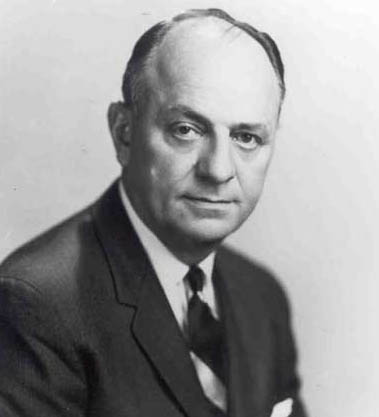
Surgeon General's Report on Smoking and Health (1964)
The 1964 Surgeon General's report drew on Doll and Hill's cohort data. Its story shows the US government declaring that smoking causes lung cancer.
Read this moment
Read next · led to
Surgeon General's Report on Smoking and Health (1964)
The 1964 Surgeon General's report drew on Doll and Hill's cohort data. Its story shows the US government declaring that smoking causes lung cancer.
Read this moment
 Today on The Clinical Times
Florida dengue outbreak appears to be largest in continental U.S. in decades
Florida has reported more than 250 locally acquired dengue cases this year, with most in Hillsborough County, according to state health officials.
Read today’s top stories
Today on The Clinical Times
Florida dengue outbreak appears to be largest in continental U.S. in decades
Florida has reported more than 250 locally acquired dengue cases this year, with most in Hillsborough County, according to state health officials.
Read today’s top stories
All 526 moments in the history of medicine. This one is in chapter 5, Cures and codes
Connected moments
How this moment links to others in the history of medicine, and what you will find in each.
-
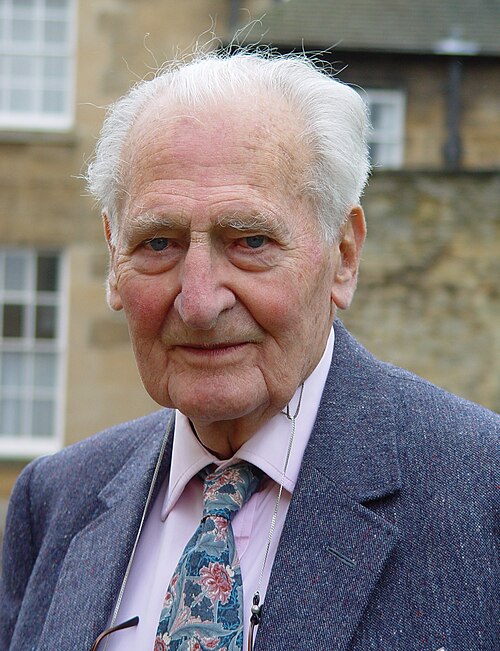 Built on1950Doll and Hill smoking and lung cancer case-control studyThe doctors study was designed to answer the objections to Doll and Hill's 1950 case control study. That study shows lung cancer risk rising with every cigarette smoked.Read this moment
-
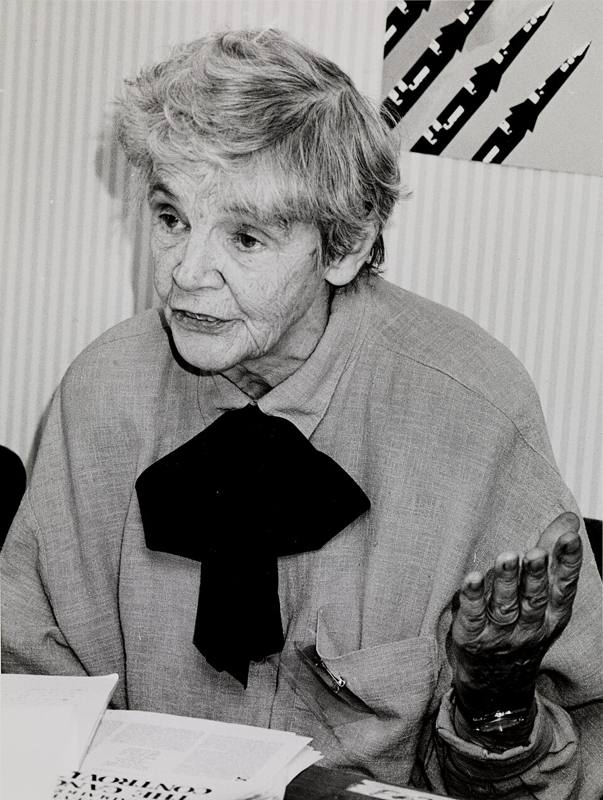 Same person1956Alice Stewart and prenatal X-raysRichard Doll was among the critics of Alice Stewart's case control study of prenatal X rays. Her story shows a finding, long disputed, that cut the use of X rays in pregnancy.Read this moment
-
 Same disease or problem1961Factors of Risk in the Development of Coronary Heart Disease (Framingham Heart Study)Both followed thousands of people forward in time to find what causes disease, British doctors for smoking and Framingham residents for heart disease. Framingham's story shows the term risk factor entering medicine.Read this moment