Public Health
1950
Doll and Hill smoking and lung cancer case-control study
Doll and Hill compared 709 lung cancer patients with 709 matched hospital controls and found that risk rose with the number of cigarettes smoked, to about 25 times that of non-smokers in the heaviest group. The case-control method they used became a standard tool for studying chronic disease causation.
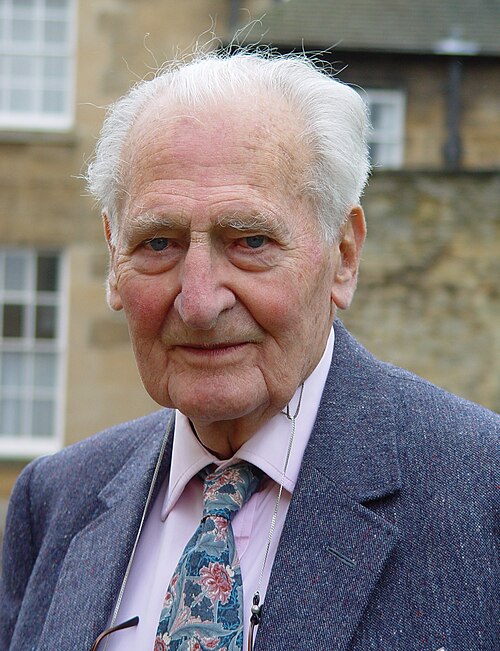
Key people
- Richard Doll
- Epidemiologist who designed and conducted the lung cancer case-control study
- Austin Bradford Hill
- Statistician who co-designed the study and developed its methodology
- Ernst Wynder
- American researcher who published a parallel U.S. case-control study in 1950
- Evarts Graham
- Surgeon who wrote the American study with Wynder
Source
Deaths from lung cancer in Britain rose steeply in the first half of the twentieth century, and the rise demanded explanation. Several hypotheses circulated: atmospheric pollution from coal and motor exhaust, the tarring of roads, general urban air quality, and the increasing use of tobacco. Richard Doll, then working for the Medical Research Council, and Austin Bradford Hill designed a case-control study to test these explanations against each other. They recruited patients admitted to London hospitals with confirmed lung cancer and matched them with controls admitted for other conditions during the same period.
Interviewers questioned 709 lung cancer patients, 649 men and 60 women, and 709 general medical and surgical patients of the same sex and similar age, gathering detailed smoking histories. The association with smoking was stronger than any of the other exposures examined. Only 0.3 percent of the men with lung cancer were non-smokers, against 4.2 percent of the male controls, and risk rose with the amount smoked: those who smoked 25 or more cigarettes a day had about 25 times the risk of non-smokers. The study appeared in the BMJ on September 30, 1950. Four months earlier, Ernst Wynder and Evarts Graham had reported a study of 684 proven cases in JAMA that pointed the same way.
The response from the scientific community was mixed, and the tobacco industry's response was hostile. Critics raised methodologically legitimate concerns: case-control studies were susceptible to recall bias, and an unmeasured confounding variable could in principle explain the results. The tobacco companies funded alternative hypotheses and cast doubt on the epidemiological evidence through the 1950s and into the 1960s, a campaign later documented through internal industry documents obtained in litigation. Doll himself was a smoker at the time of the 1950 study and stopped after reviewing the data.
To address the objections, Doll and Hill launched a prospective cohort study in 1951, sending a questionnaire about smoking habits to every doctor on the British Medical Register; the analysis followed 34,440 male doctors. That cohort was followed for 50 years. The doctors study provided dose-response data, showed that stopping smoking reduced risk over time, and extended the evidence to heart disease, chronic obstructive pulmonary disease, and other conditions. It supplied the kind of prospective evidence that the critics of the 1950 case-control design had demanded.
The U.S. Surgeon General's report of January 11, 1964, whose committee reviewed more than 7,000 scientific articles, concluded that cigarette smoking is causally related to lung cancer in men. The case-control method Doll and Hill used in 1950, efficiently matching cases to controls to study outcomes too rare for a cohort of practical size, is still a standard design in chronic disease epidemiology.
Keep exploring
 Read next · led to
Surgeon General's Report on Smoking and Health (1964)
The 1964 Surgeon General's report drew on studies by Doll, Hill, Wynder and Graham. Its story shows the US government concluding that smoking causes lung cancer.
Read this moment
Read next · led to
Surgeon General's Report on Smoking and Health (1964)
The 1964 Surgeon General's report drew on studies by Doll, Hill, Wynder and Graham. Its story shows the US government concluding that smoking causes lung cancer.
Read this moment
 Today on The Clinical Times
Florida dengue outbreak appears to be largest in continental U.S. in decades
Florida has reported more than 250 locally acquired dengue cases this year, with most in Hillsborough County, according to state health officials.
Read today’s top stories
Today on The Clinical Times
Florida dengue outbreak appears to be largest in continental U.S. in decades
Florida has reported more than 250 locally acquired dengue cases this year, with most in Hillsborough County, according to state health officials.
Read today’s top stories
All 526 moments in the history of medicine. This one is in chapter 5, Cures and codes
Connected moments
How this moment links to others in the history of medicine, and what you will find in each.
-
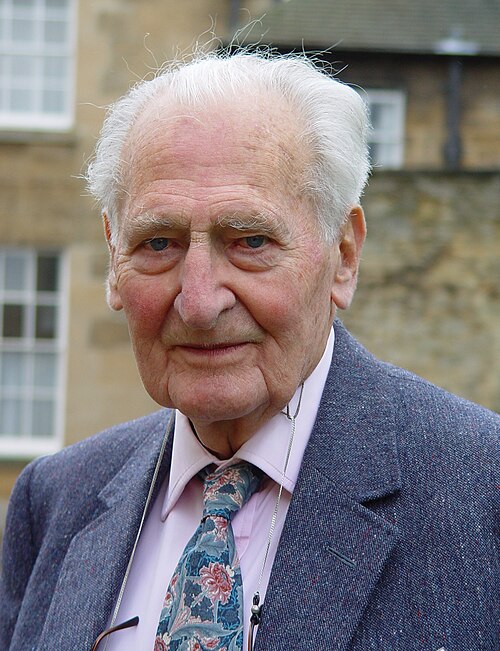 Led to1954British Doctors Study (Doll and Hill prospective cohort)To answer critics of their case control study, Doll and Hill followed British doctors forward in time. That story shows men who kept smoking dying about ten years younger than lifelong non-smokers.Read this moment
-
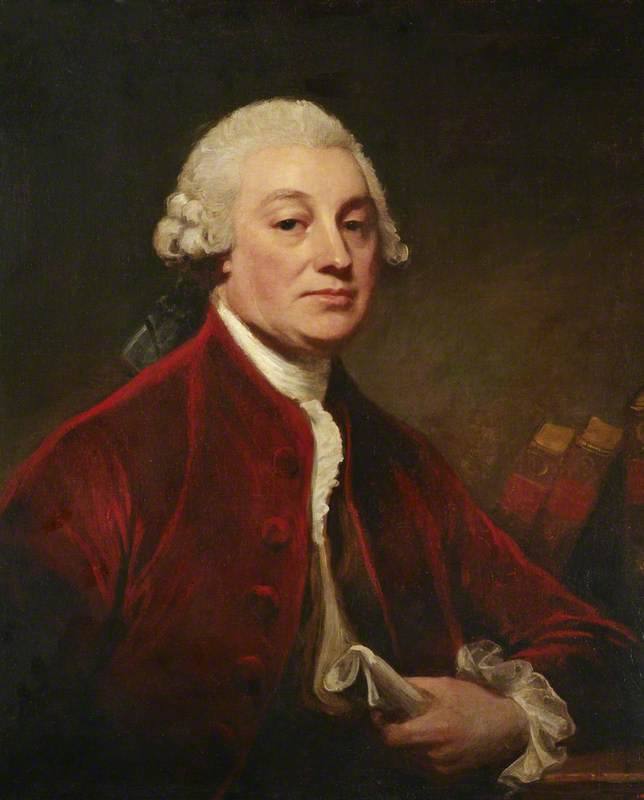 Same disease or problem1775Pott's account of chimney sweeps' cancerDoll and Hill tied lung cancer to cigarette smoke, and Pott had tied scrotal cancer to chimney soot. Pott's story shows the first published description of a cancer caused by work.Read this moment
-
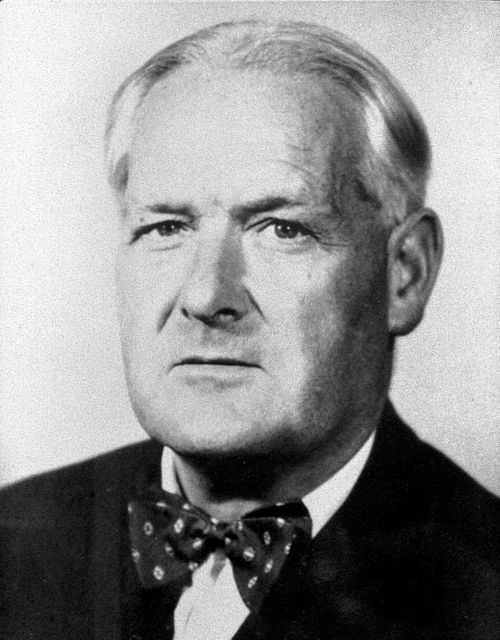 Same person1948MRC Streptomycin Trial for Pulmonary TuberculosisAustin Bradford Hill designed the streptomycin trial two years before the smoking study. That story shows random allocation hidden in sealed envelopes.Read this moment