Research Methods & Ethics
1948
MRC Streptomycin Trial for Pulmonary Tuberculosis
Bradford Hill used concealed allocation from random number tables to assign 107 TB patients to streptomycin plus bed rest or bed rest alone. At six months 7 percent of the streptomycin group had died, against 27 percent of the controls.
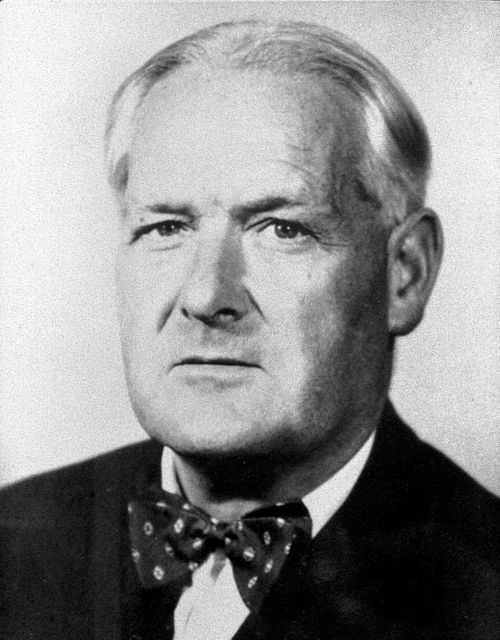
Key people
- Austin Bradford Hill
- Statistician and epidemiologist who designed the randomization methodology
- Philip D'Arcy Hart
- Secretary of the MRC streptomycin trials committee who led the clinical side of the trial
- Selman Waksman
- Microbiologist whose Rutgers laboratory isolated streptomycin in 1943
Source
In 1947 the established treatment for pulmonary tuberculosis in Britain was bed rest in a sanatorium, sometimes supplemented by surgical collapse of a diseased lung. Streptomycin had been isolated by Albert Schatz in Selman Waksman's laboratory at Rutgers in 1943 and was active against Mycobacterium tuberculosis. The question of whether it worked in patients was urgent, but supplies were limited: in 1946 the British government bought 50 kilograms from the United States, far too little to treat everyone who might benefit. That scarcity made a controlled allocation ethically defensible and practically necessary.
Austin Bradford Hill, the statistician on the trial, had seen how an unconcealed allocation schedule weakened an earlier MRC trial of serum treatment for pneumonia. For streptomycin he used sealed envelopes, prepared from random number tables and opened only after a patient had been admitted to the trial. This concealment prevented clinicians from influencing which patients entered each arm. The trial enrolled 107 patients with acute progressive bilateral pulmonary tuberculosis at several British centers: 55 were allocated to streptomycin plus bed rest, 52 to bed rest alone.
At six months, 4 of the 55 streptomycin patients (7 percent) had died, compared with 14 of the 52 controls (27 percent). Radiographic assessments were made independently by two radiologists and a clinician, each unaware of the patient's treatment assignment. The results appeared in the BMJ on October 30, 1948. The report urged caution all the same: no patient had been cured, some controls improved markedly on bed rest alone, and streptomycin could damage the inner ear.
The trial also documented drug resistance: tubercle bacilli in many streptomycin-treated patients soon became resistant. Philip D'Arcy Hart, secretary of the MRC's streptomycin trials committee, and Hill saw that resistance would limit single-drug treatment. A second MRC trial, begun in 1948, compared streptomycin, para-aminosalicylic acid (PAS) and the two combined, and the combination was in routine use in Britain by the end of 1951. Isoniazid, found early in 1952 to act against tuberculosis, was then added to combined regimens.
The trial was run by a small team: D'Arcy Hart, Hill, the field coordinator Marc Daniels and the administrator Charlene Agnew. The James Lind Library, which documents the history of fair tests of treatments, singles out the 1948 report for describing in detail the steps taken to keep investigators from knowing the next treatment assignment.
Keep exploring
 Read next · built on
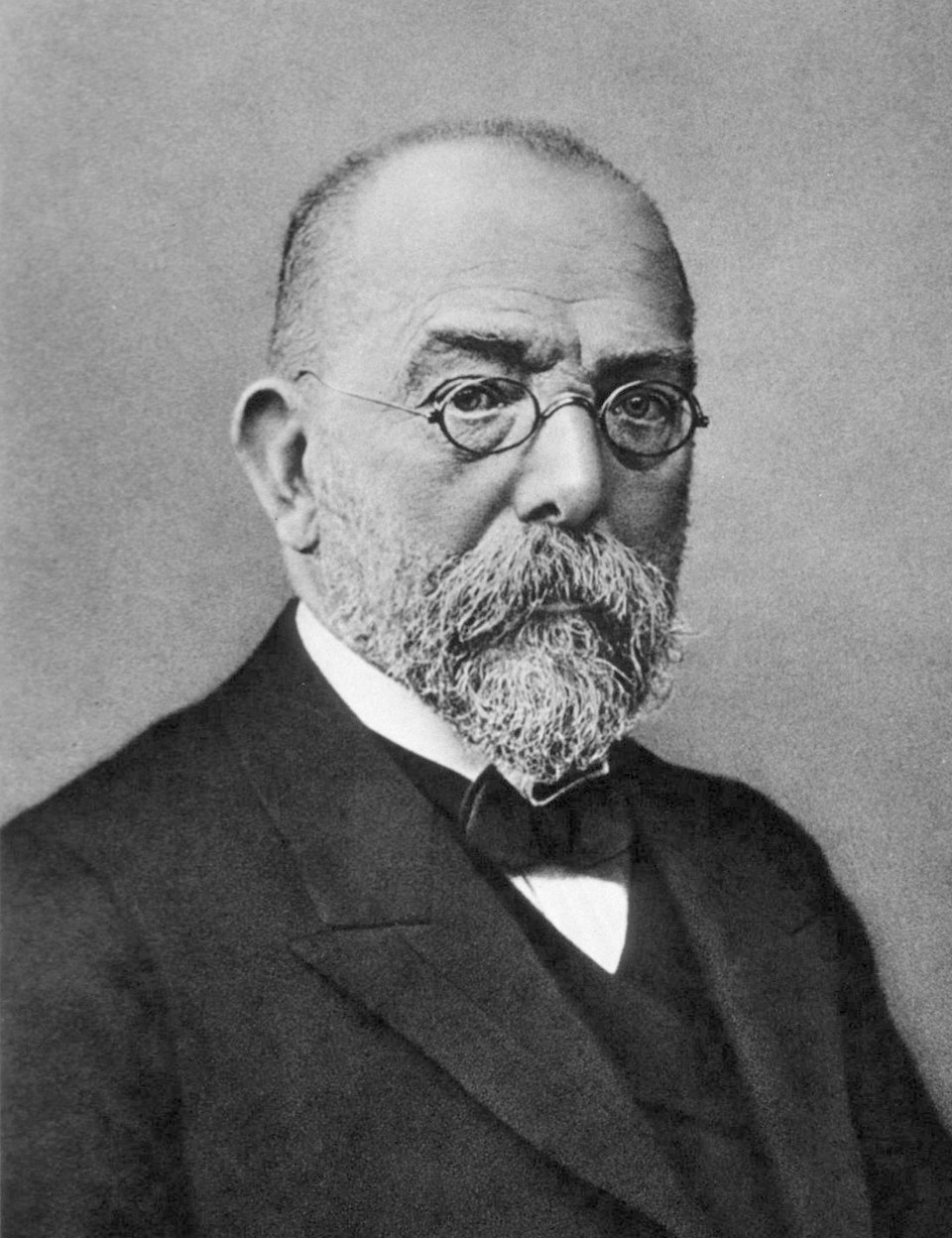
Koch's Discovery of the Tubercle Bacillus (1882)
Streptomycin, isolated in Waksman's laboratory in 1943, was the first effective drug against the bacillus Koch had found 61 years earlier. Koch's story shows how he proved the cause of tuberculosis.
Read this moment
Read next · built on
Koch's Discovery of the Tubercle Bacillus (1882)
Streptomycin, isolated in Waksman's laboratory in 1943, was the first effective drug against the bacillus Koch had found 61 years earlier. Koch's story shows how he proved the cause of tuberculosis.
Read this moment
 Today on The Clinical Times
Florida dengue outbreak appears to be largest in continental U.S. in decades
Florida has reported more than 250 locally acquired dengue cases this year, with most in Hillsborough County, according to state health officials.
Read today’s top stories
Today on The Clinical Times
Florida dengue outbreak appears to be largest in continental U.S. in decades
Florida has reported more than 250 locally acquired dengue cases this year, with most in Hillsborough County, according to state health officials.
Read today’s top stories
All 526 moments in the history of medicine. This one is in chapter 5, Cures and codes
Connected moments
How this moment links to others in the history of medicine, and what you will find in each.
-
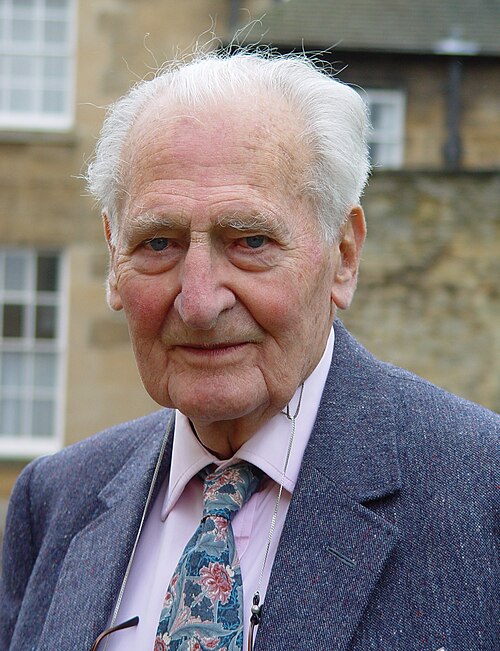 Same person1950Doll and Hill smoking and lung cancer case-control studyAustin Bradford Hill, who designed the streptomycin trial, turned two years later with Richard Doll to smoking and lung cancer. Their story shows cigarettes tied to lung cancer in a case control study.Read this moment
-
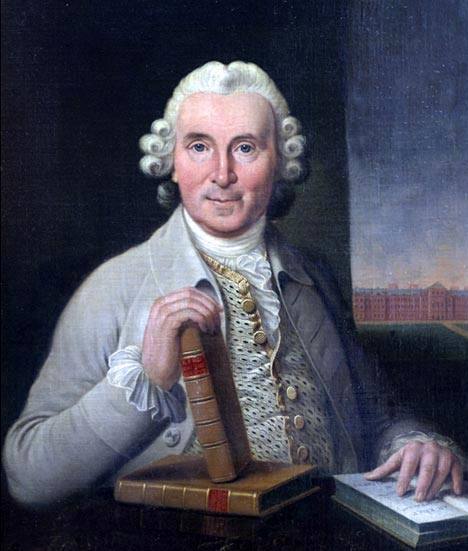 Same disease or problem1747Lind's Scurvy Trial on HMS SalisburyLind compared treatments in matched sailors, and the MRC trial added random allocation hidden in sealed envelopes. Lind's story shows the early controlled comparison that began this tradition.Read this moment
- Same disease or problem2015WHO Global Action Plan on Antimicrobial ResistanceThe trial found tubercle bacilli quickly became resistant to streptomycin, and by 2015 antimicrobial resistance had become a global crisis. The WHO plan shows 1.27 million deaths in 2019 attributed to resistant infections.Read this moment