Research Methods & Ethics
1962
Kefauver-Harris Drug Amendments
The 1962 amendments made proof of efficacy from adequate and well-controlled studies a legal condition for U.S. drug approval and required informed consent from research subjects. The phased system of controlled drug trials grew out of them.
Key people
- Estes Kefauver
- U.S. Senator from Tennessee who sponsored the amendments
- Oren Harris
- U.S. Representative who co-sponsored the House version
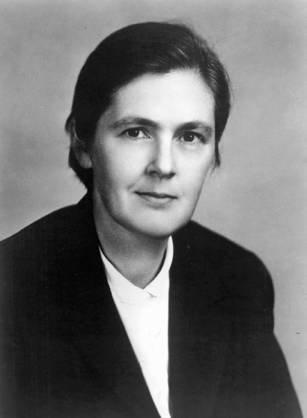
- Frances Kelsey
- FDA reviewer whose rejection of thalidomide catalyzed the legislation
- James Goddard
- FDA Commissioner who enforced the new efficacy standards in the late 1960s
Source
By the late 1950s, Senator Estes Kefauver of Tennessee was already pressing for drug industry reform on antitrust and pricing grounds when the thalidomide crisis supplied a different and more urgent argument. Thalidomide, marketed in Europe as a sedative and treatment for morning sickness, caused severe limb malformations in thousands of children born to mothers who took it during the first trimester. It had not been approved in the United States, largely because Frances Kelsey, an FDA reviewer, had repeatedly demanded safety data the manufacturer could not produce. The legislation that followed drew its political force from that near-miss.
Passed in October 1962, the Kefauver-Harris amendments overhauled the Federal Food, Drug, and Cosmetic Act in two fundamental ways. First, manufacturers now had to provide substantial evidence of efficacy from adequate and well-controlled studies before approval, not merely evidence of safety. That requirement had never appeared in federal law before, and drug research came to be organized overwhelmingly around the placebo-controlled randomized trial. Second, the law directed the government to set rules for testing new drugs in people, including a requirement for the informed consent of study subjects, a principle the Nuremberg Code had set out in 1947 after the Nazi experiments.
Kelsey received the President's Award for Distinguished Federal Civilian Service from John F. Kennedy in 1962, the same year the amendments passed. She had insisted on scientifically reliable evidence despite constant pressure from the manufacturer, and that standard now had the force of law. Because the new rules covered investigational drugs, the FDA began overseeing trials in progress and not only reviewing completed applications.
The requirement for controlled evidence had immediate consequences for drugs already on the market. Through the Drug Efficacy Study Implementation program, the FDA reviewed every drug approved between 1938 and 1962, when approval had required evidence of safety alone. By the early 1970s the program had classed about 600 medicines as ineffective and forced them off the market.
The efficacy requirement tied drug approval to the sequence of phase 1, phase 2 and phase 3 trials that is now standard. Much of Kefauver's original bill did not survive: his provisions on patents and compulsory licensing were dropped in June 1962, and the industry defeated proposals to require proof that a new drug worked better than existing ones, arguing that comparative efficacy would be impracticable to prove.
Keep exploring
 Read next · built on
Federal Food, Drug, and Cosmetic Act of 1938
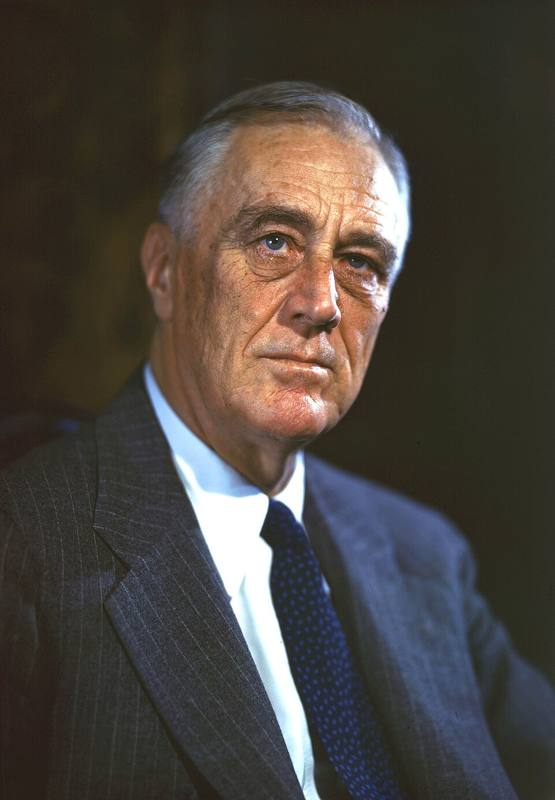
The 1962 amendments rewrote the 1938 act, which had asked only for proof of safety, to demand proof of efficacy too. The 1938 entry shows how a poisonous sulfa syrup that killed over 100 people forced that first safety rule.
Read this moment
Read next · built on
Federal Food, Drug, and Cosmetic Act of 1938
The 1962 amendments rewrote the 1938 act, which had asked only for proof of safety, to demand proof of efficacy too. The 1938 entry shows how a poisonous sulfa syrup that killed over 100 people forced that first safety rule.
Read this moment
 Today on The Clinical Times
Florida dengue outbreak appears to be largest in continental U.S. in decades
Florida has reported more than 250 locally acquired dengue cases this year, with most in Hillsborough County, according to state health officials.
Read today’s top stories
Today on The Clinical Times
Florida dengue outbreak appears to be largest in continental U.S. in decades
Florida has reported more than 250 locally acquired dengue cases this year, with most in Hillsborough County, according to state health officials.
Read today’s top stories
All 526 moments in the history of medicine. This one is in chapter 6, Trials, scanners and rights
Connected moments
How this moment links to others in the history of medicine, and what you will find in each.
-
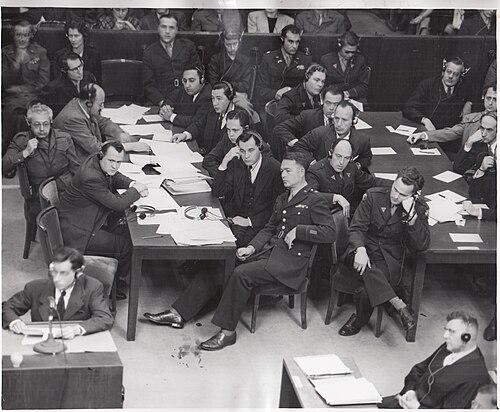 Built on1947The Nuremberg CodeThe amendments required informed consent from drug trial subjects, a principle the Nuremberg Code set out in 1947. The Code shows how judges trying Nazi doctors made voluntary consent the first rule of human research.Read this moment
-
 Same disease or problem1988ACT UP's protest at the FDABoth shaped how the FDA tests and approves drugs, first by demanding controlled trials, later by pressing for speed. The ACT UP entry shows AIDS activists shutting down the FDA for a day and new rules following within weeks.Read this moment