Research Methods & Ethics
1947
The Nuremberg Code
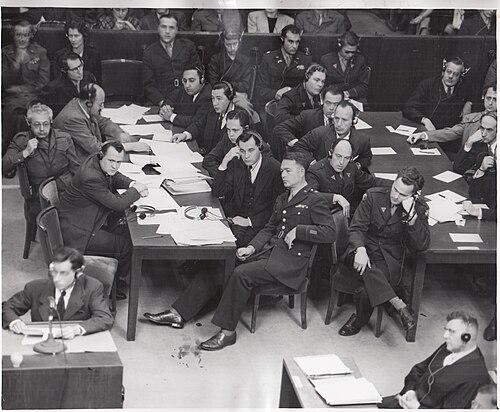
Written by American judges into the August 1947 verdict against Nazi doctors, its ten points made voluntary consent the first rule of human research and ranked the subject's welfare above scientific interest.
Key people
- Leo Alexander
- Boston psychiatrist who worked with the prosecution and submitted the six-point ethics memorandum in April 1947
- Andrew Ivy
- American physician whose testimony helped define the ethical standards in the verdict
- Harold Sebring
- Florida Supreme Court justice who sat on the three-judge Doctors' Trial tribunal
Source
The trial that produced the Nuremberg Code opened on December 9, 1946, and ended with verdicts in August 1947. Twenty-three German physicians and administrators faced charges before an American military tribunal for experiments on concentration camp prisoners at Dachau, Auschwitz, and other camps. The experiments included deliberate infection with malaria and typhus, high-altitude and freezing experiments, and tests of wound treatments on prisoners who had no choice and no recourse. Sixteen of the defendants were convicted; seven were sentenced to death and hanged on June 2, 1948.
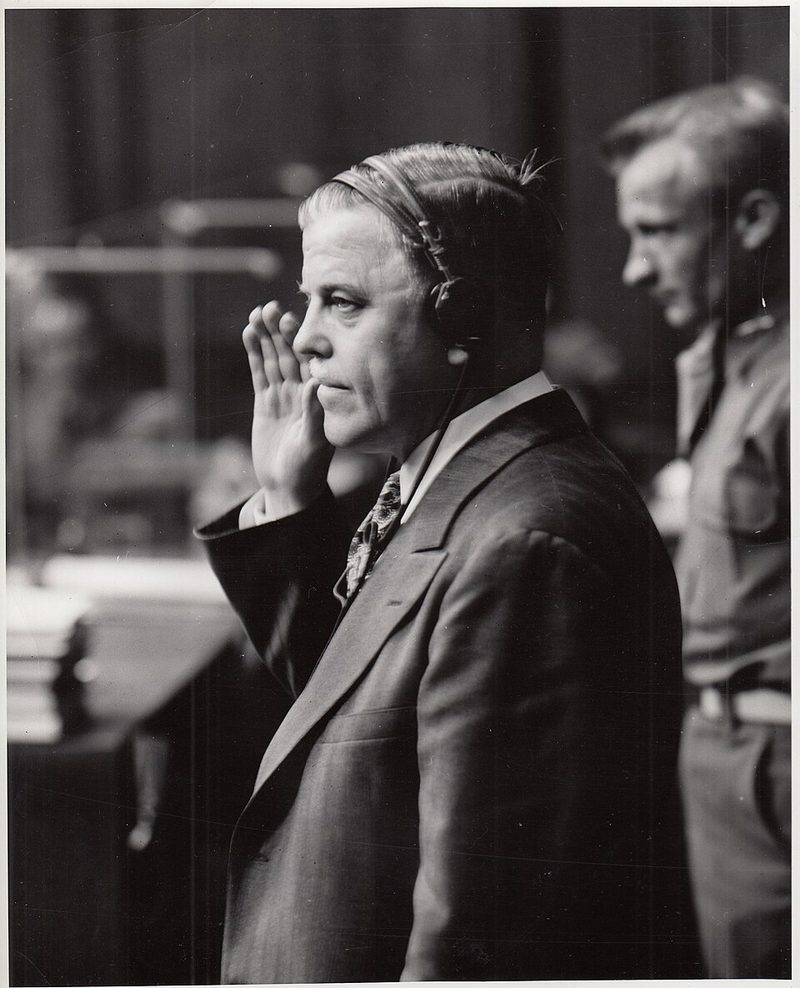
Several defendants argued that their experiments differed little from prewar German and American research and that no law separated legal from illegal experimentation. Two American doctors who worked with the prosecution, Andrew Ivy and the Boston psychiatrist Leo Alexander, took up the problem. On April 17, 1947, Alexander submitted a memorandum to the U.S. Counsel for War Crimes setting out six criteria for legitimate research. The tribunal, presided over by Walter Beals, restated almost all of them in the August 19 verdict under the heading "Permissible Medical Experiments" and expanded them to ten points.
The first point was the longest: "The voluntary consent of the human subject is absolutely essential." The Code further required that experiments have valid scientific justification, that they be preceded by adequate animal studies, that unnecessary suffering be avoided, that no experiment be conducted where there is reason to expect death or disabling injury, and that subjects be free to end their participation at any time. Germany's 1931 guidelines on new therapy and human experimentation had set out similar ideals, and the atrocities followed anyway.
For many years the Code had little practical force; it was a military tribunal's ruling with no standing in civilian international or U.S. law. In the United States, the Tuskegee study of untreated syphilis in 399 Black men, begun in 1932, continued for 25 years after the Code was written, although penicillin had been the treatment of choice for syphilis since 1943. In 1966 Henry Beecher of Massachusetts General Hospital reported in the New England Journal of Medicine on ethically troubling studies published in mainstream journals.
The 1964 Declaration of Helsinki, issued by the World Medical Association, restated the Code's provisions and extended them to allow research with children and others who could not consent for themselves. After an Associated Press story exposed Tuskegee in 1972, Congress passed the National Research Act in July 1974, which created the National Commission for the Protection of Human Subjects. The commission's Belmont Report, completed in 1978, supplies the ethical principles behind federal research regulations and institutional review boards.
Keep exploring
 Read next · led to
Declaration of Helsinki (1964)
The Declaration of Helsinki built on the Nuremberg principles and applied them to everyday clinical research. Its story shows independent ethics review added to research rules in 1975.
Read this moment
Read next · led to
Declaration of Helsinki (1964)
The Declaration of Helsinki built on the Nuremberg principles and applied them to everyday clinical research. Its story shows independent ethics review added to research rules in 1975.
Read this moment
 Today on The Clinical Times
Florida dengue outbreak appears to be largest in continental U.S. in decades
Florida has reported more than 250 locally acquired dengue cases this year, with most in Hillsborough County, according to state health officials.
Read today’s top stories
Today on The Clinical Times
Florida dengue outbreak appears to be largest in continental U.S. in decades
Florida has reported more than 250 locally acquired dengue cases this year, with most in Hillsborough County, according to state health officials.
Read today’s top stories
All 526 moments in the history of medicine. This one is in chapter 5, Cures and codes
Connected moments
How this moment links to others in the history of medicine, and what you will find in each.
-
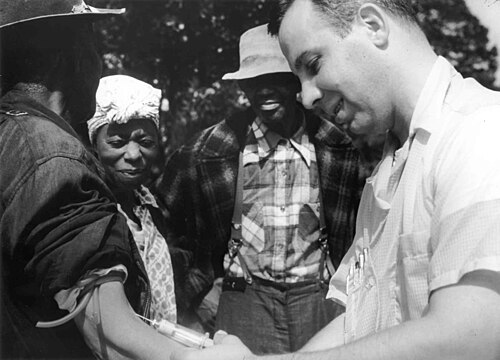 Same disease or problem1972Tuskegee Syphilis Study ExposedThe Nuremberg Code had little force in the United States, where the Tuskegee study went on for decades. That story shows how a news report in 1972 ended it and brought consent rules.Read this moment
- Same disease or problem1966Beecher's 'Ethics and Clinical Research'Nuremberg condemned Nazi experiments, and Beecher showed that ethically doubtful experiments were being published in American journals. His story shows 22 published studies that put patients at risk, often without informed consent.Read this moment
-
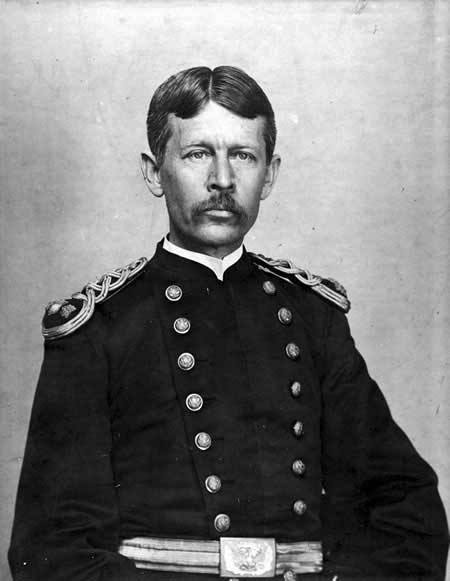 Same disease or problem1900Reed Yellow Fever CommissionNuremberg made voluntary consent the first rule of research, and Reed's yellow fever volunteers had signed written contracts decades earlier. Reed's story shows the experiments at Camp Lazear.Read this moment