Research Methods & Ethics
1972
Cochrane, 'Effectiveness and Efficiency'
Cochrane's short monograph argued that the NHS should use randomized trials to find out which treatments work, and that all effective treatment should be free. The Cochrane Collaboration, founded in 1993, took his name.
Key people
- Archie Cochrane
- British epidemiologist and author; advocate for RCT-based evaluation of health services.
- Iain Chalmers
- Former director of the UK Cochrane Centre, opened in 1992; his perinatal trials work led to the founding of the Cochrane Collaboration in 1993.
Source
In 1972, most medical treatments had never been evaluated in a randomized controlled trial. The NHS had been spending public money for almost a quarter century on surgery, drugs and obstetric care whose effects had rarely been measured. Archie Cochrane, a Scottish-born epidemiologist who had tested a treatment for famine edema on fellow prisoners of war and had directed the MRC Epidemiology Unit in Cardiff since 1960, decided to say so in print.
His monograph, Effectiveness and Efficiency: Random Reflections on Health Services, was written for the 1971 Rock Carling Fellowship, which asked for 20,000 words, and the Nuffield Provincial Hospitals Trust published it in 1972. The argument was blunt: the health service lacked the information to allocate its resources rationally, and the randomized controlled trial was the way to get it. His worked examples ran from pulmonary tuberculosis and diabetes to psychiatry, ENT and midwifery. On midwifery he called the case for moving all births into hospital very thin evidence, noting that Holland, with only 20 percent of confinements in hospital, had one of the lowest perinatal mortality rates in the world.
The book was short and personal. In the introduction Cochrane admitted that his own experience of patient care was slight and unusual, gained almost entirely during four years as a prisoner-of-war doctor in German hands. Its slogan, all effective treatment must be free, came from a banner he had carried alone to a rally about a possible national health service when he was a London medical student in the 1930s. The book became a best seller, and Iain Chalmers later described it as written in a very readable style on issues of general interest.
The proposal most tied to his name came seven years later. In a 1979 essay for the Office of Health Economics he wrote that it was "surely a great criticism of our profession" that no one had organized a critical summary, by specialty and updated periodically, of all relevant randomized controlled trials. Iain Chalmers and colleagues took up the challenge for pregnancy and childbirth, building the Oxford Database of Perinatal Trials and publishing Effective Care in Pregnancy and Childbirth in 1989. The UK Cochrane Centre opened in 1992, and in 1993, 77 people from nine countries met in Oxford and founded the Cochrane Collaboration.
The collaboration wrote a handbook of methods for systematic reviews and published its reviews in the Cochrane Library. By 2023 it had 11,000 members and 100,000 supporters in more than 130 countries. Cochrane died on 18 June 1988, five years before the organization bearing his name was established.
Keep exploring
 Read next · led to
Founding of the Cochrane Collaboration (1993)
Cochrane's call for summaries of all randomized trials inspired the collaboration founded in his name in 1993. Its entry shows how systematic reviews became routine input for clinical guidelines and health policy.
Read this moment
Read next · led to
Founding of the Cochrane Collaboration (1993)
Cochrane's call for summaries of all randomized trials inspired the collaboration founded in his name in 1993. Its entry shows how systematic reviews became routine input for clinical guidelines and health policy.
Read this moment
 Today on The Clinical Times
Florida dengue outbreak appears to be largest in continental U.S. in decades
Florida has reported more than 250 locally acquired dengue cases this year, with most in Hillsborough County, according to state health officials.
Read today’s top stories
Today on The Clinical Times
Florida dengue outbreak appears to be largest in continental U.S. in decades
Florida has reported more than 250 locally acquired dengue cases this year, with most in Hillsborough County, according to state health officials.
Read today’s top stories
All 526 moments in the history of medicine. This one is in chapter 6, Trials, scanners and rights
Connected moments
How this moment links to others in the history of medicine, and what you will find in each.
-
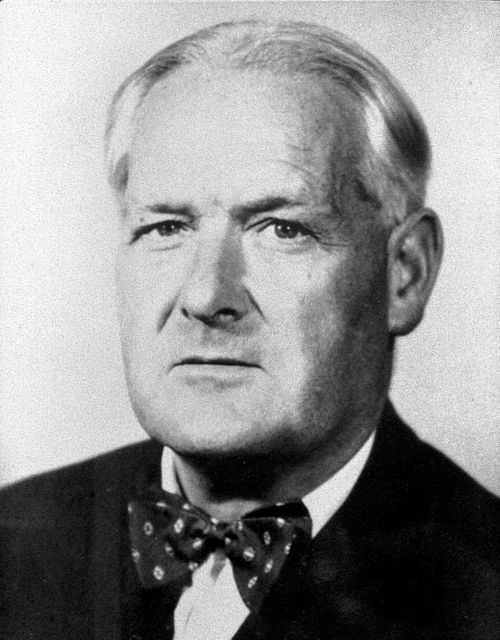 Built on1948MRC Streptomycin Trial for Pulmonary TuberculosisCochrane argued the NHS should test treatments by randomized trials, the method the streptomycin trial had shown for tuberculosis. That entry shows random allocation of 107 patients and deaths cut from 27 to 7 percent.Read this moment
-
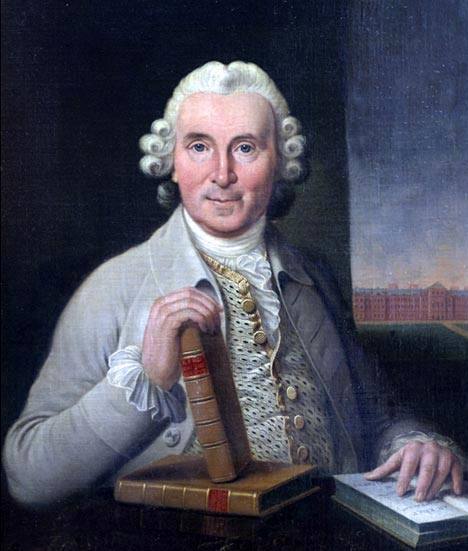 Same disease or problem1747Lind's Scurvy Trial on HMS SalisburyCochrane tested a famine remedy on fellow prisoners of war, much as Lind compared scurvy remedies on sailors. Lind's entry shows six treatments compared in 1747, with oranges and lemons winning.Read this moment