Research Methods & Ethics
1964
Declaration of Helsinki
Adopted by the World Medical Association in June 1964, it set physician-led rules for human research: informed consent, stricter limits on research with no benefit to the subject, and weighing risk against benefit. Independent ethics review was added in its first revision, in 1975.
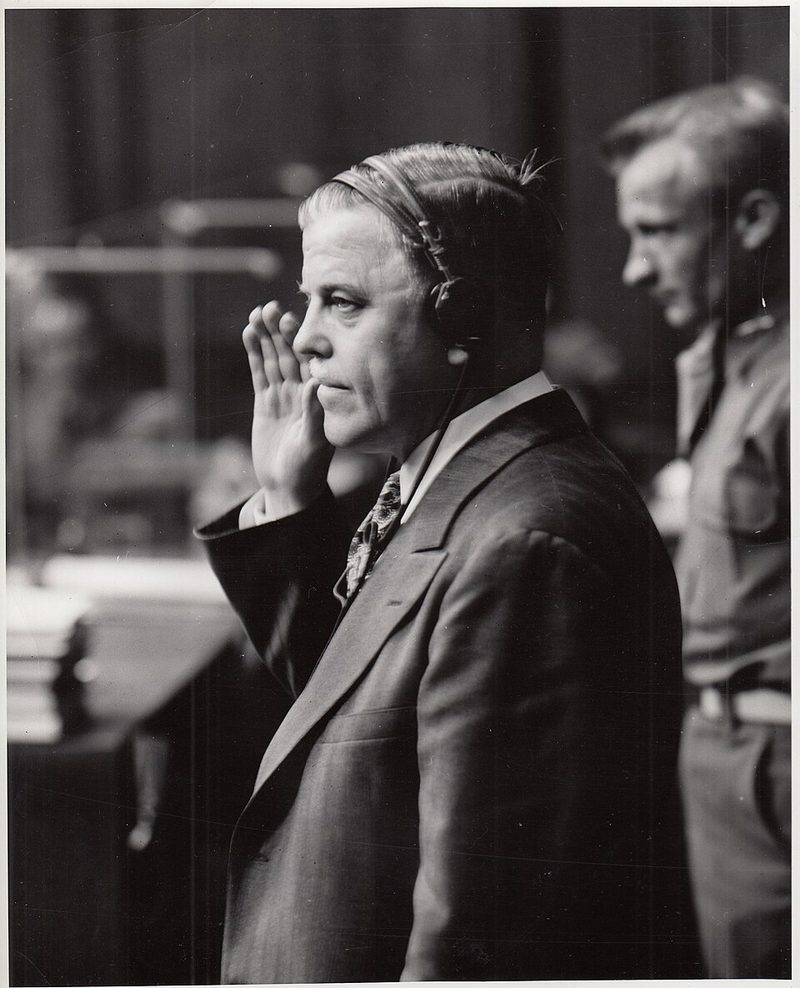
Key people
- World Medical Association
- International physician body that drafted and adopted the Declaration
- Andrew Ivy
- U.S. physician whose Nuremberg testimony shaped the ethical framework Helsinki extended
- Henry Beecher
- Harvard anesthesiologist whose 1966 paper on unethical U.S. trials reinforced Helsinki's urgency
Source
The Nuremberg Code of 1947 had held that voluntary informed consent was indispensable to ethical human experimentation, but it emerged from a war crimes tribunal and was never formally adopted into national law or medical practice in most countries. Physicians conducting research in the 1950s operated without a consistent professional standard. The World Medical Association, founded in 1947, spent more than a decade developing a framework grounded in medical ethics instead of criminal law and applicable to the full spectrum of research, from therapeutic trials to pure investigation.
The Declaration was adopted by the 18th World Medical Assembly in Helsinki, Finland, in June 1964. It built on the Nuremberg principles but applied them to everyday clinical research. It divided research into two kinds: clinical research combined with professional care, where the patient might also benefit, and non-therapeutic clinical research, and it set stricter conditions for the second. It required free consent after the subject had been informed, obtained in writing as a rule.
Some subjects received explicit attention. For people legally incompetent, the consent of a legal guardian was required, and investigators were told to take particular care when a subject was in a dependent relationship to them. The Declaration also acknowledged the tension between the physician's duty to the individual patient and the demands of research on that patient.
Revisions followed as research ethics evolved. The first revision, adopted in Tokyo in 1975, added review of research by an independent committee, the basis for today's research ethics committees. The 2000 revision, adopted in Edinburgh, caused considerable controversy over placebo-controlled trials and over researchers' obligations to participants after a study ended. Later revisions added requirements to register studies in a public database before recruitment and to arrange post-trial provisions for participants, and the most recent revision was adopted in Helsinki in October 2024.
The current text requires every protocol to be approved by a research ethics committee before research begins, alongside prospective protocols, explicit consent, and particular protections for vulnerable participants. By 2004, after five revisions, Carlson and colleagues described it as a guiding statement of ethical principles for doctors involved in medical research, though national regulations differ from it on specific provisions.
Keep exploring
 Read next · built on
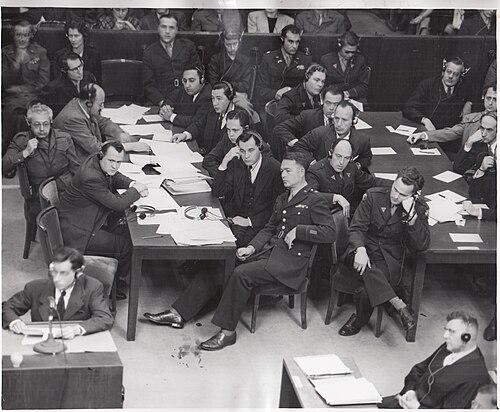
The Nuremberg Code (1947)
Helsinki took the Nuremberg principles and applied them to everyday clinical research. The Code shows how a war crimes verdict against Nazi doctors made voluntary consent the first rule of human research.
Read this moment
Read next · built on
The Nuremberg Code (1947)
Helsinki took the Nuremberg principles and applied them to everyday clinical research. The Code shows how a war crimes verdict against Nazi doctors made voluntary consent the first rule of human research.
Read this moment
 Today on The Clinical Times
Florida dengue outbreak appears to be largest in continental U.S. in decades
Florida has reported more than 250 locally acquired dengue cases this year, with most in Hillsborough County, according to state health officials.
Read today’s top stories
Today on The Clinical Times
Florida dengue outbreak appears to be largest in continental U.S. in decades
Florida has reported more than 250 locally acquired dengue cases this year, with most in Hillsborough County, according to state health officials.
Read today’s top stories
All 526 moments in the history of medicine. This one is in chapter 6, Trials, scanners and rights
Connected moments
How this moment links to others in the history of medicine, and what you will find in each.
- Same disease or problem1966Beecher's 'Ethics and Clinical Research'Two years after Helsinki, Beecher showed that respected American researchers still put patients at risk without consent. His paper lists 22 published studies and started a national debate on research ethics.Read this moment
- Same disease or problem1979The Belmont ReportBoth set ethical rules for research on people, Helsinki from physicians and Belmont from a federal commission. Belmont shows three principles paired with informed consent, risk weighing and fair selection of subjects.Read this moment
-
 Same disease or problemc. 1956The Willowbrook hepatitis studiesHelsinki required a guardian's consent for subjects unable to decide, the issue at the heart of Willowbrook. That entry shows children deliberately infected with hepatitis, and the dispute over their parents' consent.Read this moment